

Dealing with rejection sensitivity in BPD relationships involves recognizing your fears and reactions, practicing self-compassion, and setting clear boundaries. When you feel overwhelmed, try mindfulness and gentle self-talk to soothe your emotions. Communicate openly with your partner, expressing needs calmly and listening actively. Building trust takes time, so focus on validation and emotional support. If you want to learn more about managing RS effectively, there’s much you can explore to create healthier dynamics.
Key Takeaways
- Recognize and validate your emotional responses to reduce reactivity and foster self-compassion during intense moments.
- Establish clear boundaries and communicate needs openly to build trust and prevent misunderstandings.
- Practice mindfulness and self-awareness to identify triggers and challenge distorted thoughts about rejection.
- Use therapeutic techniques like DBT and CBT to improve emotional regulation and address underlying fears.
- Foster emotional validation and empathetic communication to strengthen trust and create a secure relationship environment.

Sulieschen DBT Skills Coaching Cards with Guided Examples & Training Steps-28PCS Flashcards for Emotional Regulation|Stress Relief & Coping Tools for Office Worker & Adults
COMPLETE 4-MODULE DBT TOOLKIT:A practical card deck designed to help you use core DBT skills—Mindfulness, Emotion Regulation, Distress…
As an affiliate, we earn on qualifying purchases.
As an affiliate, we earn on qualifying purchases.
Understanding Rejection Sensitivity and Its Impact on BPD

Rejection sensitivity (RS) is a tendency to anxiously expect, quickly perceive, and overreact to perceived rejection cues. When you have RS, you might interpret neutral comments or actions as signs of rejection, even if they aren’t intended that way. In people with BPD, RS tends to be more intense and persistent, often leading to emotional turmoil. Childhood experiences like emotional neglect or abuse can heighten RS, shaping how you respond to relationships later in life. This sensitivity fuels emotional dysregulation, causing you to react strongly to perceived rejection. Over time, RS can create a cycle of conflict and insecurity, making it harder to trust others or feel secure in relationships. Understanding this connection is key to managing your reactions and improving your emotional health.

Mindfulness Meditations for Anxiety: 100 Simple Practices to Find Peace Right Now
As an affiliate, we earn on qualifying purchases.
As an affiliate, we earn on qualifying purchases.
Recognizing the Signs of Rejection Sensitivity in Relationships

Recognizing the signs of rejection sensitivity in relationships is crucial for understanding your emotional reactions and preventing misunderstandings. You might notice that you often interpret neutral comments as criticism or feel intense fear of rejection even when your partner shows no signs of disapproval. You may become overly defensive, clingy, or anxious when you perceive distance or disconnection. Feelings of jealousy or insecurity can escalate quickly, leading to emotional outbursts or withdrawal. You might also find yourself obsessively seeking reassurance or misreading your partner’s intentions. These patterns often stem from a deep-rooted fear of rejection, causing you to react strongly to perceived slights. Recognizing these signs helps you gain insight into your emotional responses and begin to manage them more effectively.
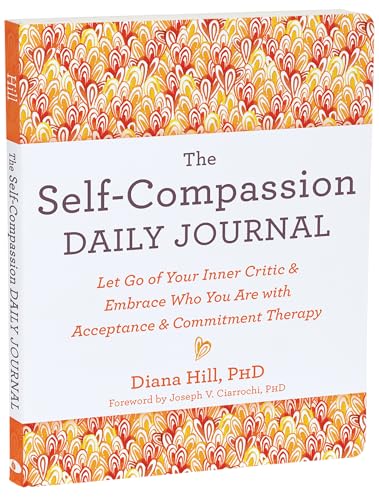
The Self-Compassion Daily Journal: Let Go of Your Inner Critic and Embrace Who You Are with Acceptance and Commitment Therapy (The New Harbinger Journals for Change Series)
As an affiliate, we earn on qualifying purchases.
As an affiliate, we earn on qualifying purchases.
Exploring the Roots: Childhood Experiences and RS Development

Your early experiences shape how you perceive and respond to social interactions later in life. If you experienced emotional abuse or neglect, you might develop a heightened sensitivity to rejection. These childhood wounds can create a deep-rooted fear of abandonment and feelings of unworthiness. When caregivers dismiss or criticize you, it reinforces the belief that you’re not enough, fueling your tendency to overreact to perceived rejection. Over time, these negative experiences become internalized, shaping your expectations of future relationships. This pattern often leads to hypervigilance, mistrust, and emotional dysregulation when you encounter rejection cues. Recognizing how childhood experiences influence your RS can be a crucial step toward understanding your reactions and beginning the process of healing.

The Set Boundaries Workbook: Practical Exercises for Understanding Your Needs and Setting Healthy Limits
As an affiliate, we earn on qualifying purchases.
As an affiliate, we earn on qualifying purchases.
The Role of Self-Compassion in Managing Rejection Sensitivity

Practicing self-compassion helps you respond more kindly to yourself instead of reacting with harsh self-criticism when rejection feels imminent. Techniques like mindfulness, gentle self-talk, and recognizing your shared human experience can foster inner kindness. Building these habits can reduce emotional reactivity and improve your ability to handle rejection in relationships.
Cultivating Inner Kindness
Cultivating inner kindness plays a essential role in managing rejection sensitivity, especially for those with BPD. When you treat yourself with compassion, you create a safe space inside that counters harsh self-criticism and fear of rejection. This inner kindness helps you recognize that mistakes and perceived slights don’t define your worth. By practicing gentle self-talk and accepting your feelings without judgment, you reduce the emotional intensity tied to rejection cues. Over time, this approach fosters resilience and emotional stability. Instead of spiraling into self-blame or anger, you learn to respond with patience and understanding. Cultivating inner kindness shifts your focus from self-criticism to self-acceptance, empowering you to navigate relationships with more confidence and less reactivity.
Self-Compassion Techniques
Self-compassion techniques are powerful tools for reducing rejection sensitivity, especially for those with BPD. By practicing self-kindness, you learn to treat yourself with understanding instead of harsh judgment when you feel rejected or insecure. Mindfulness exercises help you observe your emotions without overreacting, creating space between your feelings and reactions. When you notice negative self-talk, challenge it with gentle affirmations, reminding yourself that everyone experiences rejection and that it doesn’t define your worth. Engaging in self-care routines, like journaling or deep breathing, can soothe emotional turmoil. Over time, these techniques strengthen your resilience, helping you respond more calmly to perceived rejection and reducing the emotional intensity that often fuels BPD-related relationship struggles.
Practical Strategies to Reduce RS Reactivity

To reduce your reactivity to rejection, start by identifying your specific triggers and patterns so you can address them directly. Practice mindfulness and self-compassion techniques to stay grounded and respond more calmly in tense moments. Improving your communication skills and setting clear boundaries can also help create healthier relationship dynamics and lessen emotional spikes.
Understanding Triggers and Patterns
Understanding your triggers and patterns is essential for managing rejection sensitivity (RS) in relationships, especially when you have borderline personality features. Recognizing specific situations that set off your RS helps you respond more calmly. For example, you might notice feeling anxious when your partner doesn’t reply quickly or interprets neutral comments as negative. Pay attention to recurring thoughts or behaviors, like jumping to conclusions or becoming overly clingy. Tracking these patterns allows you to identify common themes that trigger emotional reactions. Once you understand your triggers, you can develop targeted strategies to challenge distorted thoughts or slow down impulsive responses. Over time, this awareness helps you create healthier, more stable interactions, reducing the intensity and frequency of reactive episodes.
Practicing Mindfulness and Self-Compassion
Practicing mindfulness and self-compassion offers practical ways to reduce reactivity to rejection cues. When you notice emotional spikes, take a moment to breathe deeply and ground yourself in the present. Mindfulness helps you observe your thoughts and feelings without judgment, preventing automatic overreactions. Self-compassion encourages you to treat yourself with kindness instead of self-criticism when rejection fears arise. Remind yourself that everyone experiences vulnerability and imperfection. Regularly practicing meditation or mindful breathing can strengthen your ability to stay centered during emotional distress. By cultivating a compassionate attitude toward yourself, you reduce the intensity of rejection-related reactions and build resilience over time. These practices support emotional regulation, helping you respond thoughtfully rather than react impulsively to perceived rejection.
Enhancing Communication and Boundaries
Clear and honest communication plays a pivotal role in managing rejection sensitivity within relationships. You need to express your feelings openly and listen actively to your partner’s perspective. Use “I” statements to share your emotions without blaming, which reduces defensiveness and misunderstandings. Setting clear boundaries is equally important; define what’s acceptable and what isn’t to protect your emotional well-being. Respect your partner’s boundaries as well, fostering mutual trust. When conflicts arise, focus on calm, direct discussions rather than assumptions or accusations. Remember, boundaries aren’t walls—they’re guides for healthy interaction. By cultivating transparent communication and well-defined boundaries, you reduce misunderstandings and emotional triggers, helping both you and your partner navigate challenging moments with greater stability and compassion.
Enhancing Communication and Building Boundaries

Effective communication and healthy boundary-setting are essential tools for managing rejection sensitivity in BPD relationships. Clear dialogue helps prevent misunderstandings and reduces emotional escalation. When you express your needs calmly and listen actively, you foster trust and safety. Setting boundaries ensures your emotional well-being while respecting your partner’s limits, reducing feelings of rejection. Use the following table to understand the importance of boundaries and communication:
| Boundary Type | Purpose |
|---|---|
| Emotional Boundaries | Protect your feelings and avoid over-involvement |
| Physical Boundaries | Maintain personal space and comfort |
| Time Boundaries | Allocate time for self-care and relationship needs |
| Communication Boundaries | Clarify acceptable ways to discuss sensitive topics |
Therapeutic Approaches to Address Rejection Sensitivity

Therapeutic approaches tailored to address rejection sensitivity (RS) can considerably improve how you manage your emotional reactions and relationship challenges. Dialectical Behavior Therapy (DBT) is highly effective, helping you develop skills in emotional regulation, distress tolerance, and interpersonal effectiveness. Psychodynamic therapy explores past experiences that contribute to your RS, fostering healthier attachment patterns. Cognitive-Behavioral Therapy (CBT) targets negative thought patterns related to rejection, helping you challenge and reframe distorted perceptions. Mindfulness-based interventions cultivate awareness and acceptance of your emotional responses, reducing reactivity. Additionally, family therapy can enhance understanding and support from loved ones, creating a more secure environment. These approaches work together to decrease RS’s impact, empowering you to navigate relationships with greater resilience and emotional stability.
Strengthening Relationships Through Emotional Validation

When you genuinely validate your partner’s emotions, you create a safe space where they feel heard and understood, which can markedly reduce feelings of rejection. Validation shows you’re present and accepting, helping your partner feel secure in expressing themselves. To do this effectively, you can:
- Reflect their feelings to show understanding
- Avoid dismissing or minimizing their emotions
- Use empathetic body language and tone
- Respond calmly, even during emotional moments
Frequently Asked Questions
How Can Partners Support Someone With High Rejection Sensitivity?
You can support someone with high rejection sensitivity by practicing active listening, showing empathy, and validating their feelings. Be patient and avoid dismissing their worries, even if they seem exaggerated. Set clear boundaries to create stability, and encourage open communication. Offer reassurance through consistent actions and words, helping them feel secure. Supporting their efforts in therapy or self-care also shows you’re committed to their well-being.
Are Medication Options Effective for Managing RS in BPD?
They say, “You can’t put a bandage on every wound,” and medication isn’t a cure-all for RS in BPD. While some medications like mood stabilizers or antidepressants may help reduce emotional volatility, they don’t directly target rejection sensitivity. Usually, therapy—like DBT or CBT—proves more effective. Medications can be part of a broader treatment plan, but managing RS often requires developing coping skills and emotional regulation strategies.
How Long Does It Typically Take to See Improvements in RS?
Improvements in rejection sensitivity (RS) vary depending on your therapy, commitment, and support system. Generally, you might start noticing changes within a few months of consistent treatment like DBT or CBT, but significant progress often takes six months to a year. Stay patient and persistent, as developing new thought patterns and emotional regulation skills takes time. Regularly practicing self-compassion and mindfulness can accelerate your progress.
Can Self-Compassion Techniques Be Integrated Into Daily Routines Easily?
Yes, self-compassion techniques can be easily integrated into your daily routine. You can set aside a few minutes each day for mindful breathing, positive affirmations, or journaling about self-kindness. Incorporate these practices during activities like morning rituals or before bed. Consistency helps build a compassionate mindset over time, making it a natural part of your day. Small, regular efforts can markedly boost your emotional resilience and reduce rejection sensitivity.
What Are Warning Signs That RS Is Causing Significant Relationship Harm?
You’ll notice RS causing relationship harm when you frequently interpret neutral actions as rejection, leading to heightened emotional reactions. If you often feel intense fear of abandonment, lash out unexpectedly, or struggle to trust your partner’s intentions, these are warning signs. Additionally, if conflicts escalate quickly or you withdraw to avoid perceived rejection, it’s clear RS is impacting your relationship negatively. Recognizing these signs is the first step to addressing the issue.
Conclusion
By understanding rejection sensitivity, recognizing its signs, and exploring its roots, you empower yourself to manage your reactions. Through practicing self-compassion, applying practical strategies, and strengthening communication, you build healthier connections. Embracing therapeutic approaches and emotional validation helps you grow stronger, more resilient, and more compassionate. Remember, addressing rejection sensitivity is a journey—one of awareness, effort, and patience. Keep moving forward, keep healing, and keep nurturing the relationships that matter most.