
Social media can quickly trigger intense reactions if you perceive rejection, compare yourself to others, or seek reassurance. Curated images often reinforce insecurities, while impulsive posting might escalate conflicts or harm relationships. Dependence on online validation increases fear of abandonment and emotional instability, leading to boundary issues and social isolation. Recognizing these triggers can help you better understand your reactions—continue exploring to learn how to manage these effects more effectively.

Turn your wind-down time into listening time
- Thousands of audiobooks, podcasts and originals
- Listen on your phone, tablet or Echo — also offline
- Cancel anytime
Key Takeaways
- Perceived online rejection or lack of response can trigger intense emotional reactions and impulsive retaliatory behaviors in BPD individuals.
- Social comparison and idealized self-images on social media heighten insecurities and self-doubt, fueling emotional instability.
- Dependency on likes, comments, and validation amplifies fears of abandonment and increases emotional dysregulation.
- Difficulty maintaining healthy boundaries online often leads to impulsive reactions, conflicts, and feelings of social isolation.
- Online conflicts and perceived betrayals can provoke retaliatory actions, escalating emotional turmoil and damaging relationships.
social media boundary setting tools
As an affiliate, we earn on qualifying purchases.
As an affiliate, we earn on qualifying purchases.
Perceived Rejection and Responses

Perceived rejection on social media can trigger intense emotional reactions in individuals with BPD. When you notice someone not responding to your message or liking your post, it may feel like outright rejection. This perception can quickly escalate, sparking feelings of abandonment or worthlessness. You might respond impulsively, posting something hurtful or lashing out at others. Alternatively, you may seek reassurance repeatedly, obsessively checking for signs of care or acceptance. These reactions often stem from a deep fear of being abandoned or ignored, making it difficult to interpret social cues objectively. The emotional surge can be overwhelming, pushing you toward reactive behaviors that damage your online relationships and reinforce feelings of rejection. Recognizing these patterns is vital to managing your responses more healthily.
Impact of Social Comparison on Self-Image

When you compare yourself to curated personas on social media, it can heighten your insecurities and make you doubt your worth. Seeing idealized self-images can distort your perception of reality, making you feel inadequate. These constant comparisons can undermine your self-esteem and fuel negative self-talk.
Curated Personas Amplify Insecurity
Curated personas on social media often serve as idealized versions of reality, making it easy for you to compare yourself unfavorably. When you see others presenting perfect lives, flawless appearances, or endless happiness, it can trigger feelings of inadequacy. You might believe you’re falling short or unworthy, fueling insecurity. These idealized images distort your sense of self, making you feel like you don’t measure up. Instead of inspiring motivation, they often deepen self-doubt and shame. You may start questioning your worth or feel anxious about your own life. As a result, you might seek validation through likes and comments, hoping to feel better about yourself. But these curated personas only reinforce your insecurity, creating a cycle of comparison and self-criticism.
Idealized Self-Images Distort Reality
Seeing others’ idealized self-images on social media can profoundly distort your perception of reality. When you compare yourself to these curated portrayals, it’s easy to believe you’re falling short. You might think everyone else has perfect lives, endless confidence, or ideal relationships, which isn’t true. This distorted view fuels feelings of inadequacy and self-doubt. You may start chasing an unrealistic version of yourself, trying to match these images. As a result, your self-esteem suffers, and you struggle to see your true worth. The constant comparison makes it harder to accept who you really are, leading to emotional turmoil. Recognizing that social media often shows an illusion rather than reality helps you regain perspective and focus on your authentic self.
Impulsivity and Impulsive Posting Behaviors
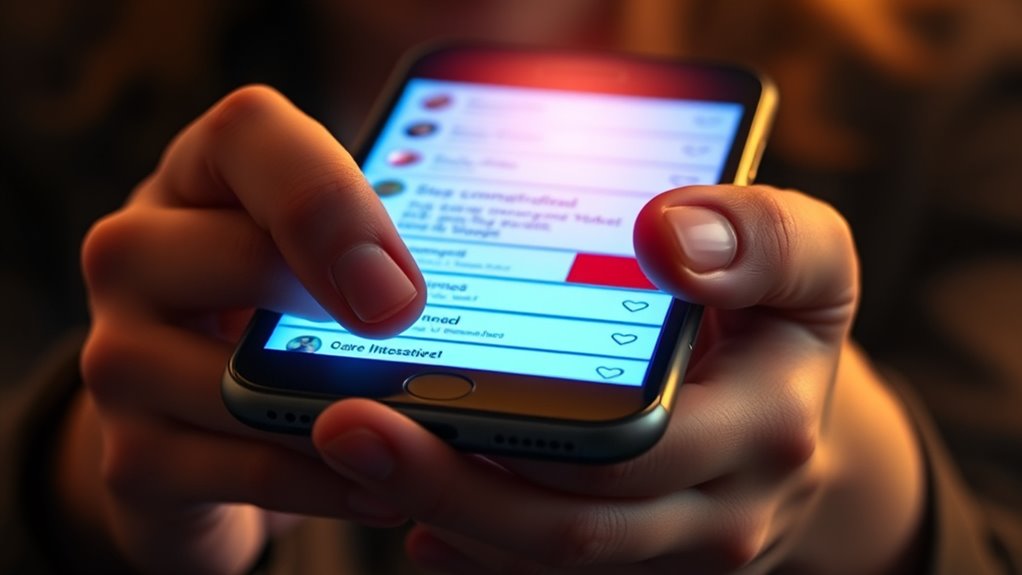
Impulsivity is a core feature of BPD that markedly influences online behavior, especially when it comes to posting on social media. You might find yourself sharing thoughts, feelings, or images spontaneously, often without fully considering the consequences. These impulsive posts can be driven by intense emotions or a desire for immediate validation, leading to regret afterward. You may also react quickly to online interactions, posting retaliatory comments or deleting posts in the heat of the moment. This behavior reflects your heightened sensitivity and emotional dysregulation. Impulsive posting can escalate conflicts, create misunderstandings, or damage relationships. Recognizing these patterns is essential for managing your online presence. Developing awareness and practicing pause strategies can help you avoid impulsive actions that you might regret later.
Reassurance-Seeking and Dependency Formation

Impulsive posting often stems from a deep need for validation and reassurance, which can lead you to seek constant online affirmation. You might frequently check comments, likes, or messages, craving proof that others care. This reassurance-seeking can become a dependency, making your online interactions feel essential for emotional stability. You may become anxious if responses are delayed or absent, fearing rejection or abandonment. Over time, this need for validation can reinforce dependency on social media, hindering your ability to feel secure without external approval. It can also lead to obsessive behaviors, like repeatedly seeking reassurance or overanalyzing online interactions. Recognizing this pattern is vital to breaking the cycle and developing healthier ways to manage your emotional needs offline.
Identity Disturbance in the Curated Digital Space
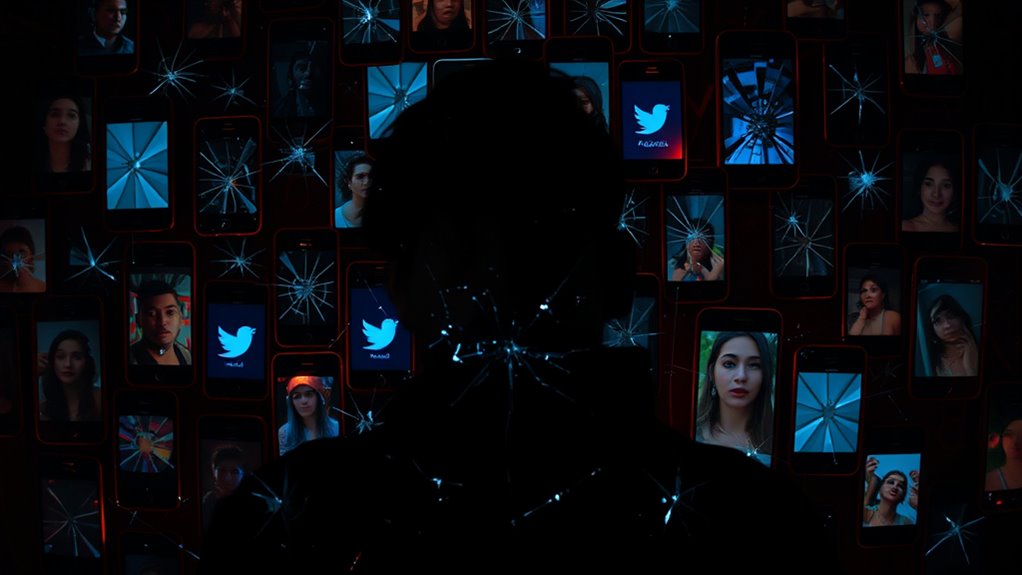
The curated nature of social media often intensifies identity disturbances for individuals with BPD, making it harder to maintain a consistent self-image. When you scroll through filtered photos and idealized posts, it’s easy to compare yourself and feel inadequate or unsure of who you really are. You might find yourself mimicking online personas to fit in or gain approval, which blurs your authentic self. Posting impulsively to seek validation can reinforce feelings of emptiness or confusion about your identity. Over time, this curated environment can distort your sense of self, leading you to rely on external validation rather than internal grounding. As a result, your self-image becomes fragmented, making it even more difficult to feel secure about who you are offline.
Retaliatory Actions and Online Aggression

Social media can become a battleground for individuals with BPD when they feel threatened or misunderstood, leading them to engage in retaliatory actions. You might lash out by posting hurtful comments, blocking someone abruptly, or sharing private information to hurt others or regain control. These reactions often stem from intense emotions and a desire to protect your self-image or reputation. You may also escalate conflicts by engaging in online arguments, which can spiral quickly and damage relationships further. Retaliatory actions serve as impulsive responses to perceived rejection or betrayal. While they might provide temporary relief or a sense of power, they often deepen conflicts and fuel ongoing cycles of emotional turmoil, making it harder to maintain healthy connections online and offline.
Emotional Dysregulation Triggered by Interactions

When someone reacts strongly to perceived online slights, it can trigger intense emotional responses in you. Impulsive replies or posts often follow, making it harder to stay calm and collected. These reactions feed into your emotional dysregulation, escalating conflicts and mood swings.
Reactivity to Online Slights
Reactivity to online slights often triggers intense emotional responses in individuals with BPD, as your sensitivity to perceived rejection is heightened in digital interactions. When someone ignores your comment, unfollows you, or makes a curt remark, it can feel like a personal attack. You might experience sudden anger, shame, or despair, even if there’s no real intention behind the action. This reaction stems from a fear of abandonment and feeling misunderstood. Your mind may quickly jump to worst-case scenarios, amplifying the emotional pain. You might also respond impulsively, lashing out or withdrawing entirely. These reactions are automatic and difficult to control, reinforcing feelings of instability and distrust in your online relationships. Recognizing this pattern helps you understand that your responses are rooted in emotional dysregulation, not the actual intent of others.
Impulsivity in Responses
Impulsivity in responses often fuels emotional dysregulation during online interactions, making it difficult to maintain control over reactions. You might find yourself posting impulsively, sharing thoughts you later regret, or lashing out in reply to perceived slights. This quick, unfiltered response can escalate conflicts or deepen feelings of shame and guilt. You may also react defensively to criticism or rejection, amplifying your emotional distress. The immediacy of social media encourages these impulsive behaviors, bypassing reflection and self-control. As a result, your mood swings intensify, and maintaining healthy boundaries becomes more challenging. Recognizing these impulsive tendencies is essential. Learning to pause, breathe, and consider your responses can help you regain control and reduce emotional upheaval triggered by online interactions.
Social Isolation Despite Digital Connectivity

Despite being constantly connected through social media, individuals with BPD often experience a deep sense of social isolation. You might find yourself scrolling through profiles and messaging others, yet still feeling disconnected or lonely. Social media can create a false sense of closeness, but it rarely replaces meaningful offline relationships. You may experience superficial interactions that leave you craving genuine connection, which feels elusive. When interactions are brief or unresponsive, it can reinforce feelings of rejection and loneliness. You might also withdraw from real-world social activities, preferring online spaces where you feel some control. This paradox of digital connection versus emotional distance intensifies your sense of isolation, making it harder to build authentic relationships offline.
Amplification of Fear of Abandonment

Social media can markedly amplify your fear of abandonment, making it feel even more intense and overwhelming. When you see others posting about their lives, it’s easy to interpret silence or lack of interaction as rejection. This heightens your insecurity and fuels your anxiety. Here are four ways social media deepens this fear:
- Perceived Neglect: Missing messages or likes can feel like evidence that others don’t care anymore.
- Comparison Traps: Seeing curated highlights of others’ lives can make you believe you’re being replaced or left behind.
- Reassurance Dependency: Constantly seeking validation online feeds your dependency, reinforcing fears of abandonment.
- Uncertainty and Ambiguity: Ambiguous online interactions create doubt, making it harder to distinguish between real commitment and neglect.
Frequently Asked Questions
How Can Individuals With BPD Recognize Social Media Triggers Early?
You can recognize social media triggers early by paying attention to your emotional responses. Notice if certain posts, comments, or interactions make you feel rejected, anxious, or angry. Track patterns where you feel compelled to seek reassurance or impulsively post. Practice mindfulness to identify these feelings before they escalate. Setting personal boundaries and reflecting on your reactions helps you catch triggers early, so you can respond more calmly.
What Strategies Help Reduce Impulsive Posting in BPD?
To stop impulsive posting in BPD, you gotta create a fortress around your social media habits. Set strict time limits, pause before posting, and ask yourself if it’s really necessary. Use reminders like “Is this for validation or genuine expression?” and consider talking to a therapist about your urges. Remember, taking control is like steering a ship—steady, deliberate, and avoiding the storm of impulsivity!
How Does Social Media Use Influence Self-Esteem in BPD?
Social media use can markedly impact your self-esteem if you’re with BPD. You might seek validation through likes and comments, which can make your self-worth dependent on online approval. Curated content and comparisons may worsen feelings of inadequacy or identity confusion. However, mindful engagement and setting healthy boundaries can help you develop a more stable self-image, reducing reliance on social media for validation and improving your confidence over time.
What Role Does Online Validation Play in BPD Dependency?
Online validation plays a significant role in BPD dependency because it fuels your need for reassurance and emotional security. When you seek validation through social media, you might feel more connected but also more reliant on external approval. This dependence can increase your vulnerability to emotional highs and lows, making it harder to develop inner stability. To break this cycle, focus on building self-esteem outside of online interactions.
How Can Friends and Family Support Someone Experiencing Social Media Triggers?
Ever wonder how you can truly support someone triggered by social media? You can start by offering reassurance and listening without judgment, helping them recognize their emotional reactions. Encourage healthy boundaries around social media use and suggest offline activities to foster real connections. Be patient and consistent, reminding them they’re not alone. Do you realize that your steady presence can help reduce their fears of rejection and promote stability?
Conclusion
Exploring social media with BPD can feel like walking a tightrope over a stormy sea, where every post and comment sparks intense emotion. Your digital interactions can either deepen your wounds or help you find stability. Remember, you hold the power to break free from these cycles. By understanding these triggers, you can turn social media from a battlefield into a space of healing and connection—your journey to emotional balance starts now.
Halloween Picks
halloween
As an affiliate, we earn on qualifying purchases.