

When your child has BPD, it’s important to understand their intense emotional swings, impulsivity, and unstable relationships are more than typical teenage moodiness. Recognize signs like sudden shifts in feelings, fears of abandonment, and risky behaviors. Seek help early with therapies like DBT, and support your child by maintaining routines, staying calm, and offering consistent love. Prioritizing your family’s well-being while educating yourself will help you navigate this challenging time more effectively. Keep exploring to find practical tips to support your teen’s journey.
Key Takeaways
- Recognize signs of BPD, such as intense mood swings, fear of abandonment, and impulsive behaviors, and seek professional help promptly.
- Use evidence-based therapies like DBT, involving family support and patience, to help your child develop coping skills.
- Maintain calm, consistent routines and open communication to foster trust and emotional stability.
- Educate yourself about BPD to better understand your child’s experiences and reduce misunderstandings.
- Prioritize your own well-being and seek support to manage stress and effectively support your child’s recovery.

Dialectical Behavior Therapy Skills Training with Adolescents: A Practical Workbook for Therapists, Teens & Parents
As an affiliate, we earn on qualifying purchases.
As an affiliate, we earn on qualifying purchases.
Understanding BPD in Adolescents

What exactly is borderline personality disorder (BPD) in adolescents, and how does it differ from typical teenage behavior? BPD is a mental health condition characterized by intense emotional swings, impulsivity, and unstable relationships. Unlike normal teenage moodiness, BPD involves persistent patterns of emotional dysregulation that interfere with daily life. Adolescents with BPD often experience sudden shifts in feelings, fear of abandonment, and difficulty managing impulses like self-harm or risky behaviors. These symptoms are more severe, frequent, and enduring than usual teenage struggles. While adolescents naturally go through emotional ups and downs, BPD symptoms tend to be persistent, impairing their social, academic, and family functioning. Recognizing these differences helps distinguish typical teenage development from signs of a deeper, more serious disorder requiring professional help.
Recognizing Signs and When to Seek Help

Parents often notice their adolescent’s emotional ups and downs, but distinguishing between typical teenage mood swings and signs of a more serious issue like BPD can be challenging. Look for intense, unstable emotions that last for hours or days, not just fleeting feelings. Notice if your child experiences frequent feelings of emptiness, fear of abandonment, or extreme reactions to minor conflicts. Self-harming behaviors or suicidal thoughts are serious warning signs requiring immediate attention. Also, observe patterns of intense, unstable relationships and impulsivity that disrupt daily life. If you notice persistent emotional dysregulation, risky behaviors, or difficulty managing relationships, it’s time to seek professional help. Early intervention can make a significant difference, so trust your instincts and consult mental health experts for proper evaluation and support.
Treatment Options and What to Expect
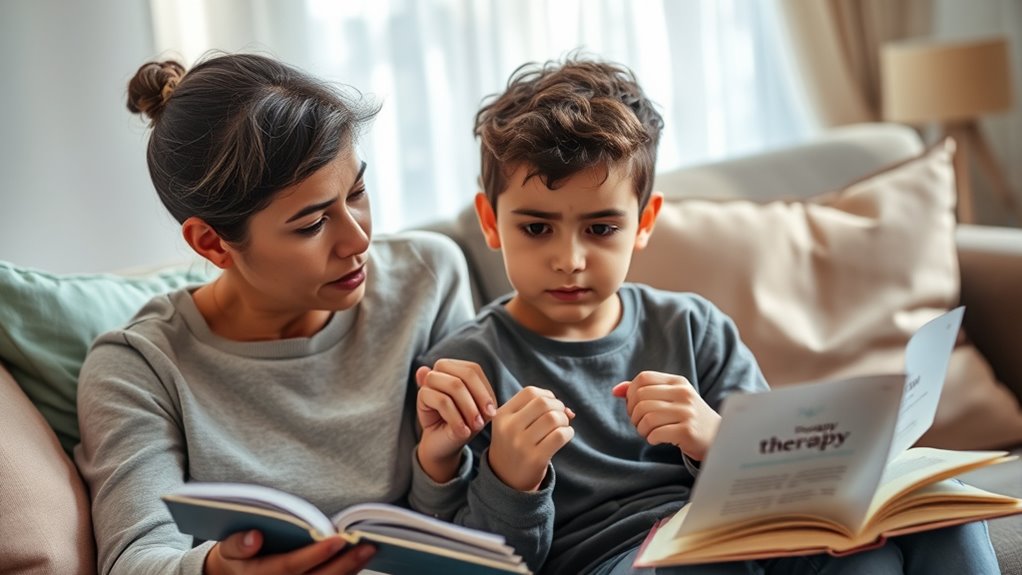
Effective treatment for a child with BPD often involves evidence-based psychotherapy approaches, which focus on helping them develop better emotional regulation and interpersonal skills. Dialectical behavior therapy (DBT) is a primary treatment that teaches coping strategies, mindfulness, and distress tolerance. You might also see other therapies like mentalization-based therapy or skills training programs tailored for youth. While medication isn’t used to treat BPD directly, doctors may prescribe it for co-occurring conditions like depression or anxiety. Expect therapy to be a gradual process, with improvements taking months or years. Consistency and family involvement are vital. Your child’s progress depends on sustained effort, a supportive environment, and access to specialized mental health providers. Patience and understanding are essential as they work toward stability.
Supporting Your Child Through Recovery

Supporting your child through recovery requires patience, consistency, and a compassionate approach. Your support helps create a safe environment where they can heal and develop healthier coping skills. Focus on maintaining routines, reinforcing positive behaviors, and listening without judgment. Remain calm during emotional episodes, as your steady presence fosters trust and security. Educate yourself about BPD to better understand your child’s experiences and needs. Remember, recovery is a gradual process that involves setbacks and progress. You can support your child by:
Supporting your child’s recovery with patience and understanding fosters trust and promotes healing.
- Encouraging open communication and validating their feelings
- Setting clear boundaries while showing empathy
- Supporting their engagement in therapy and treatment plans
Your ongoing involvement and reassurance are vital for their recovery journey. Stay committed and patient, knowing your support makes a meaningful difference.
Caring for Your Family’s Well-Being

Caring for your family’s well-being becomes especially important when your child has BPD, as it impacts not only their emotional health but also the overall family dynamics. To support everyone, prioritize open communication and set clear boundaries to create a stable environment. Take care of your own mental health by seeking support from friends, family, or a therapist, so you can better manage stress and emotional challenges. Encourage family activities that foster connection, understanding, and resilience. Educate yourself about BPD to reduce misunderstandings and develop empathy. Remember, caring for yourself isn’t selfish—it’s essential. By maintaining your well-being, you’ll be better equipped to provide the stability and support your child needs for recovery and growth.
Frequently Asked Questions
How Can I Differentiate Between Typical Teen Behavior and BPD Symptoms?
You can differentiate between typical teen behavior and BPD symptoms by observing the intensity and persistence of emotional reactions. If your child’s mood swings, impulsivity, or relationship issues are extreme, last for long periods, and interfere with daily life, it might indicate BPD. Unlike normal teen turbulence, BPD involves frequent self-harm, intense fears of abandonment, and unstable self-image, requiring professional evaluation for accurate diagnosis.
Are There Specific Warning Signs That Indicate My Child’s Condition Is Worsening?
You should watch for sudden increases in emotional instability, intense mood swings, or impulsive behaviors that seem out of proportion. If your child’s self-harm, suicidal thoughts, or relationship conflicts escalate, it’s a warning sign. Also, notice if they withdraw socially or struggle with daily routines more than usual. These changes indicate their condition may be worsening, and seeking professional help promptly is vital to prevent crises.
What Should I Do if My Child Refuses Therapy or Medication?
If your child refuses therapy or medication, stay calm and avoid pressuring them. Respect their feelings, and try to understand their concerns. Encourage open communication and listen without judgment. Offer information about the benefits of treatment, and suggest alternative approaches like family therapy or peer support. Consider consulting a mental health professional for guidance on how to motivate your child and explore other ways to support their mental health.
How Can I Manage My Own Mental Health While Caring for a Child With BPD?
Caring for your child with BPD can feel like walking a tightrope, so focus on your own mental health to stay balanced. Prioritize self-care by setting boundaries, seeking support from friends, family, or a therapist, and engaging in activities that recharge you. Remember, nurturing yourself helps you provide stability and compassion for your child. You can’t pour from an empty cup; taking care of yourself is essential for both your well-being and theirs.
Is It Possible for My Child’s BPD to Improve or Resolve Completely?
Yes, your child’s BPD can improve or even resolve completely, especially with early intervention and ongoing therapy. Many youths experience significant symptom reduction over time, and up to half may no longer meet diagnostic criteria after ten years of treatment. Focus on encouraging consistent participation in evidence-based therapies like DBT, supporting their emotional regulation, and providing a stable environment. With patience and proper care, your child’s outlook can become much brighter.
Conclusion
Remember, you’re not alone on this journey. While BPD can feel overwhelming, your support and understanding can be the guiding light your child needs to heal. Think of your love as a steady anchor in turbulent waters—firm, unwavering, and essential. Keep learning, stay patient, and reach out when needed. Together, you can navigate these challenges and foster hope for brighter days ahead. Your strength truly makes all the difference.