

If you’re experiencing relationship burnout with a partner who has BPD, you may overlook signs like emotional exhaustion, feeling drained after intense conflicts, or noticing a decline in intimacy. Communication often becomes strained, with misunderstandings or unspoken resentments piling up. Mood swings and emotional unpredictability can wear you down without obvious reasons. Recognizing these subtle cues can help you understand what’s really going on—and exploring them further can provide clarity and ways to support each other better.
Key Takeaways
- Emotional exhaustion may manifest as frustration or resentment, masking deeper relationship strain.
- Decreased intimacy and superficial connection often go unnoticed despite ongoing conversations.
- Regressive communication patterns, like withdrawal or accusations, signal underlying burnout.
- Mood swings and emotional reactivity can drain both partners’ emotional reserves over time.
- Early signs of emotional fatigue, such as feeling overwhelmed or disconnected, are frequently overlooked.

Have you ever felt emotionally drained after a period of intense relationship struggle? If so, you’re not alone, especially when one partner has borderline personality disorder (BPD). These feelings often stem from the ongoing emotional rollercoaster that can wear you down over time. One of the key issues that emerge in these situations is difficulty with emotional regulation. When your partner struggles to manage intense feelings, it can lead to unpredictable reactions that leave you feeling helpless or overwhelmed. You might find yourself walking on eggshells, trying to anticipate their needs or reactions, which can be exhausting. Communication patterns often become strained as well. Instead of open, honest exchanges, conversations might become riddled with misunderstandings, accusations, or withdrawal. You may notice that instead of healthy dialogue, conflicts escalate quickly, and resolution feels out of reach. These communication challenges can contribute profoundly to relationship burnout, leaving both of you feeling isolated.
Many couples miss the subtle signs that emotional exhaustion is creeping in. You might start noticing a decrease in intimacy, both emotional and physical. Even if you’re still talking regularly, the connection can feel superficial or strained. You could begin to feel like you’re just going through the motions, desperately trying to keep the relationship afloat without really addressing the underlying issues. This fatigue often masks itself as frustration or resentment, but if you dig deeper, you’ll see it’s rooted in unresolved emotional tension and ineffective communication. Recognizing these signs early is essential because they signal that the relationship needs a new approach or additional support. Additionally, understanding the importance of emotional regulation skills can be transformative in managing these dynamics more healthily.
It’s common to overlook how much emotional regulation difficulties influence the overall health of your relationship. When your partner’s mood swings become the norm, it can drain your emotional reserves. Instead of feeling supported, you might feel like you’re constantly reacting or adapting to their shifting emotions. This dynamic can create a cycle where both of you become more reactive, leading to more misunderstandings and emotional fatigue. Understanding that these patterns are often symptoms of BPD can help you approach the situation with compassion and patience. It also emphasizes the importance of establishing healthy communication patterns—setting boundaries, practicing active listening, and encouraging emotional regulation skills. Recognizing the signs of burnout and addressing them early can help preserve your well-being and create a more balanced, supportive relationship.
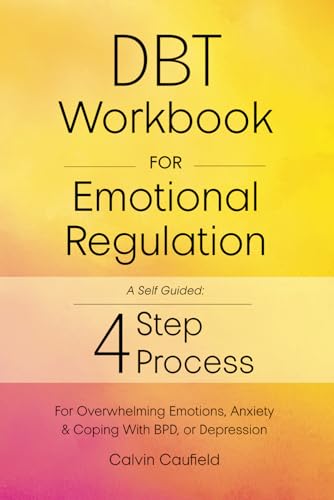
DBT Workbook for Emotional Regulation: A Self-Guided 4-Step Process for Using Essential Dialectical Behavior Therapy Skills for Overwhelming Emotions, Anxiety & Coping with BPD, or Depression
As an affiliate, we earn on qualifying purchases.
As an affiliate, we earn on qualifying purchases.
Frequently Asked Questions
How Can Partners Support Someone With BPD Experiencing Burnout?
You can support someone with BPD experiencing burnout by providing consistent emotional validation, letting them know you’re there without judgment. Encourage open communication and listen actively to their feelings. Help them set healthy boundaries, ensuring they don’t become overwhelmed. Respect their need for space when needed, and reassure them of your ongoing support. Your patience and understanding play a crucial role in helping them navigate burnout and maintain their well-being.
Are Certain Relationship Dynamics More Prone to Burnout With BPD?
Certain relationship dynamics, like codependency issues, make couples more prone to burnout with BPD. When one partner relies excessively on the other for emotional support, it leads to emotional exhaustion for both. This imbalance can cause stresses that escalate over time, increasing the risk of burnout. Staying mindful of these dynamics helps you set healthy boundaries and promote mutual support, reducing the chances of emotional fatigue.
How Long Does Relationship Burnout Typically Last in BPD Cases?
Think of relationship burnout like a storm that eventually passes; it can last from a few weeks to several months, depending on your efforts. During this time, emotional exhaustion hits hard, and communication breakdowns become common. To shorten this period, focus on open, honest conversations and self-care. The more you nurture understanding, the quicker the storm will clear, restoring your connection and emotional balance.
Can Therapy Help Prevent Relationship Burnout in BPD Couples?
Yes, therapy can help prevent relationship burnout in BPD couples by teaching you emotional regulation skills and boundary setting. Through therapy, you learn to manage intense emotions, communicate more effectively, and establish healthy boundaries, which reduces stress and misunderstandings. These skills foster a stronger connection, prevent exhaustion, and promote resilience in your relationship. Consistent therapy provides ongoing support, helping both partners navigate challenges more smoothly and maintain a healthy, balanced partnership.
What Are Early Signs of Burnout in Partners of BPD Individuals?
Did you know that couples often notice emotional exhaustion as an early sign of burnout? You might feel drained after interactions, and communication breakdown becomes frequent. You may start avoiding conflicts or feeling overwhelmed by small issues. These signs indicate you’re struggling to manage emotional demands, and recognizing them early helps prevent further fatigue. Paying attention to these cues allows you to seek support before burnout deeply impacts your relationship.
Conclusion
Understanding the signs of relationship burnout, especially when BPD is involved, helps you recognize when things might be too much to handle. Did you know that nearly 60% of couples experience burnout at some point? By staying aware of the signs and seeking support early, you can protect your relationship’s health. Remember, addressing these issues now can strengthen your bond and prevent long-term damage. You’re not alone—help is available, and change is possible.