
TL;DR

Turn your wind-down time into listening time
- Thousands of audiobooks, podcasts and originals
- Listen on your phone, tablet or Echo — also offline
- Cancel anytime
Physiologist and wellbeing expert Oli Patrick shared a five-point sleep checklist in an interview with Fit&Well: allow seven hours for sleep, keep a regular schedule, get morning light, reduce bedroom light and cool down before bed. The advice is not a guarantee of better sleep, and the report does not describe a clinical trial testing the checklist.
Physiologist and wellbeing expert Oli Patrick has outlined five sleep habits for people who struggle to fall asleep, in an interview with Fit&Well. His checklist focuses on sleep opportunity, consistent bed and wake times, morning light, a dark bedroom and cooling the body before bed; it is advice from an expert, not a reported clinical test of the five steps.
Patrick recommends allowing at least seven hours for sleep, describing that as the time needed to give the body a chance to carry out sleep-related processes such as memory consolidation and tissue repair. He also advises keeping bed and wake times consistent across the week, so the body’s daily timing is less disrupted. Patrick said he sets a bedtime deadline of 10:30 p.m., aims to be asleep by 11:15 p.m. and wakes at 6:45 a.m.
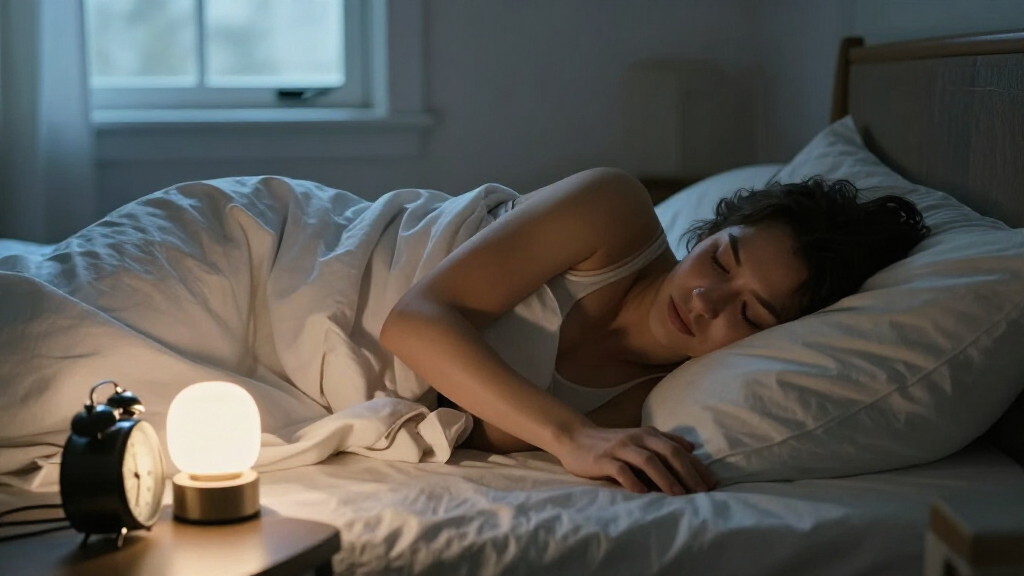
His third suggestion is to get 10 to 15 minutes of bright light within an hour of waking. Patrick said outdoor daylight is one option; bright artificial light, including light boxes designed to mimic natural light, may be an alternative. In the evening, he recommends reducing light in the bedroom and avoiding taking a phone to bed, as well as limiting laptop and television use.
The fifth point is to cool the body before bedtime. Patrick suggests avoiding late meals, exercise or work that may leave someone warm close to bed, and says a quick shower may help the body lose heat afterward. He also discussed temperature-controlled sleep products, but said the checklist can be followed without technology. The interview took place at an event marking the launch of Eight Sleep’s Pod 6 mattress cover, which tracks health metrics such as heart rate and adjusts temperature.
Five Habits Without Sleep Tech
The checklist gives readers behavioral steps that do not require a smart mattress or other dedicated sleep equipment. Its emphasis is on routine and bedroom conditions, including factors people may be able to adjust themselves. That matters because the report discusses a temperature-regulating product while also conveying Patrick’s view that technology is not necessary to try these habits.
However, the article presents Patrick’s recommendations and experience, not evidence that the full checklist works for everyone or treats persistent sleep problems. Readers should treat the steps as general suggestions rather than a promised fix. The report also does not compare the habits’ effects or establish which one might matter most for an individual.
As an affiliate, we earn on qualifying purchases.
Fit&Well reported Patrick’s comments at an event held to mark the launch of Eight Sleep’s Pod 6, a mattress cover that tracks some health metrics and adjusts bed temperature. Patrick advocates for the device, but told the publication that people can work on sleep without using technology.
Patrick’s stated background includes a degree in Exercise Sciences from the University of Birmingham and work in health and wellbeing physiology. The article describes the checklist as his recommendations; it does not cite a study establishing that following all five points will improve sleep or provide a specific timeframe for results.
“You’re a pretty special creature if you can genuinely do all the amazing jobs sleep does in less than seven hours.”
— Oli Patrick, physiologist and wellbeing expert, speaking to Fit&Well
What the Checklist Cannot Establish
The report does not provide clinical evidence testing Patrick’s five recommendations together, quantify their effects or show how quickly someone might notice a change. It also does not establish whether a particular cause is behind any reader’s sleep difficulty. Patrick’s assessment that people who follow the behaviors are unlikely to keep struggling is his reported view, not a guarantee.
The article does not specify how to apply the suggestions for people with ongoing or severe sleep problems, or whether individual health conditions could affect them. Persistent sleep difficulty may have causes beyond the habits listed, and the source does not discuss clinical evaluation or treatment.
Try Changes and Track Sleep
Patrick’s practical next step is to work through the habits: set a regular schedule that allows seven hours, seek bright light soon after waking, make the bedroom darker and find ways to cool down before bed. The report does not set a formal follow-up date or describe a study that will assess the checklist.
If sleep remains poor, Patrick suggests reviewing caffeine use after lunch and avoiding alcohol, which he calls a major sleep disruptor. He also mentions journaling, breathwork and yoga as practices people could experiment with to calm the mind. These are suggestions from the interview; the report does not establish that they will resolve persistent sleep problems.
Key Questions
What are Oli Patrick’s five sleep checklist points?
He recommends allowing seven hours for sleep, keeping bed and wake times consistent, getting morning light, making the bedroom dark and cooling the body before bed.
Does the checklist require a smart mattress?
No. Patrick discussed Eight Sleep’s Pod 6 at its launch event but told Fit&Well that people can work on sleep without technology.
How soon after waking does Patrick recommend getting light?
He suggests seeking 10 to 15 minutes of bright light within the first hour after waking. He describes outdoor daylight as an option and also mentions bright artificial light.
What does Patrick suggest if sleep is still poor?
He recommends reviewing caffeine after lunch and alcohol use, and experimenting with practices such as journaling, breathwork or yoga. The report does not say these steps are a guaranteed remedy.
Is the checklist proven to treat ongoing sleep problems?
The Fit&Well report presents Patrick’s advice, not a clinical trial of the checklist. It does not establish that the steps treat persistent sleep problems or work for everyone.
Source: rss
Halloween Picks
halloween
As an affiliate, we earn on qualifying purchases.