

Yes, Borderline Personality Disorder (BPD) can be misdiagnosed because its symptoms often overlap with other mental health conditions like bipolar disorder, depression, and PTSD. Emotional responses in BPD can shift quickly and mimic mood disorders, making it hard to distinguish. Impulsivity and relationship issues may also be mistaken for other problems, leading to incorrect treatment. If you want to understand how clinicians differentiate BPD from similar conditions, there’s more to discover.
Key Takeaways
- BPD symptoms often overlap with other mental health conditions, increasing the risk of misdiagnosis.
- Complex emotional and behavioral patterns can lead clinicians to confuse BPD with mood disorders or PTSD.
- Incomplete assessments or focusing on isolated symptoms may result in incorrect diagnosis.
- Misdiagnosis can hinder access to targeted treatments like Dialectical Behavior Therapy (DBT).
- Accurate diagnosis requires comprehensive evaluation of personal history, emotional responses, and symptom patterns.

Borderline Personality Disorder (BPD) is often misunderstood, leading to frequent misdiagnoses that can substantially impact treatment and outcomes. When you’re trying to get an accurate diagnosis, it’s vital to recognize that BPD shares symptoms with other mental health conditions, which can make it difficult for clinicians to distinguish. One of the core challenges in diagnosing BPD is its complex presentation, especially because emotional regulation issues are common in many disorders, from bipolar disorder to depression. If your emotional responses are intense and shift rapidly, a clinician might initially think you have mood swings or other mood disorders, overlooking the underlying BPD traits.
Misdiagnosis can also occur because impulsivity management varies widely among individuals. If impulsive behaviors—like reckless spending, substance abuse, or unsafe sex—are prominent, some practitioners might attribute these actions solely to substance use or impulse control issues rather than recognizing them as part of BPD. This oversight can lead to treatments that target only surface symptoms instead of addressing the deeper emotional regulation difficulties. When impulsivity management isn’t properly understood or addressed, it hampers your progress and may cause repeated setbacks.
You need to be aware that BPD involves a persistent pattern of instability in relationships, self-image, and emotions. However, these symptoms often overlap with other conditions such as bipolar disorder, post-traumatic stress disorder (PTSD), or certain personality traits. This overlap increases the risk of misdiagnosis, especially if the clinician focuses only on one aspect of your behavior or emotional state without considering the full picture. Accurate diagnosis requires a careful assessment of your history, emotional responses, and how impulsivity manifests in your life. Recognizing that emotional regulation issues are common across multiple disorders can help clinicians differentiate BPD from other conditions more effectively. Additionally, understanding diagnostic criteria and how they relate to your personal experiences is crucial for a correct diagnosis.
In treatment, understanding emotional regulation is essential. Therapies like Dialectical Behavior Therapy (DBT) are specifically designed to improve emotional regulation and impulsivity management in individuals with BPD. If your diagnosis is incorrect, you might not receive the targeted interventions that help you learn skills to manage intense emotions and impulsive urges effectively. As a result, your symptoms may persist or worsen, making recovery more difficult.

The Dialectical Behavior Therapy Skills Workbook: Practical DBT Exercises for Learning Mindfulness, Interpersonal Effectiveness, Emotion Regulation, and Distress Tolerance
As an affiliate, we earn on qualifying purchases.
As an affiliate, we earn on qualifying purchases.
Frequently Asked Questions
How Common Is Misdiagnosis of Borderline Personality Disorder?
Misdiagnosis of borderline personality disorder is quite common due to diagnostic challenges and overlapping symptoms with other mental health conditions. When you undergo clinical assessments, clinicians may struggle to differentiate BPD from mood disorders or trauma-related issues. This complexity can lead to misdiagnosis, which affects treatment plans. Being aware of these diagnostic challenges helps you advocate for thorough evaluations, ensuring you receive the appropriate diagnosis and care.
Can Medication Alone Accurately Diagnose BPD?
Like trying to find a needle in a haystack, diagnosing BPD with medication alone isn’t reliable. Medication accuracy can ease symptoms but doesn’t provide a definitive diagnosis due to diagnostic challenges. A thorough evaluation by a mental health professional, including interviews and psychological tests, is essential. Relying solely on medication risks missing the full picture, leading to misdiagnosis or incomplete treatment.
What Other Disorders Are Often Mistaken for BPD?
You might mistake disorders like bipolar disorder, narcissistic personality disorder, or post-traumatic stress disorder for BPD because their symptoms overlap. Using proper diagnostic criteria is vital to distinguish them. Therapeutic approaches differ, so accurate diagnosis guides effective treatment. Misdiagnosis can happen if clinicians overlook subtle differences, especially during initial assessments. Always consult mental health professionals who carefully evaluate symptoms to guarantee correct diagnosis and appropriate therapy.
How Do Clinicians Differentiate BPD From Mood Disorders?
Clinicians differentiate BPD from mood disorders by examining emotional regulation and impulsivity traits. In BPD, emotional shifts are rapid and intense, often triggered by interpersonal issues, and impulsivity is a core feature. Mood disorders typically involve more persistent mood changes without the same impulsive behaviors. By evaluating the pattern, duration of symptoms, and how emotions impact behavior, clinicians accurately distinguish between BPD and mood disorders.
Does Misdiagnosis Affect Treatment Outcomes for BPD?
Misdiagnosis can definitely throw a wrench in treatment, making therapy less effective and complicating recovery. When clinicians face diagnostic challenges, they might not target the right issues, leading you to feel misunderstood or stuck. Accurate diagnosis is essential because it guides appropriate therapy strategies. If you’re misdiagnosed, you might not get the right support, but with the right understanding, you can achieve better outcomes and truly turn the tide in your favor.
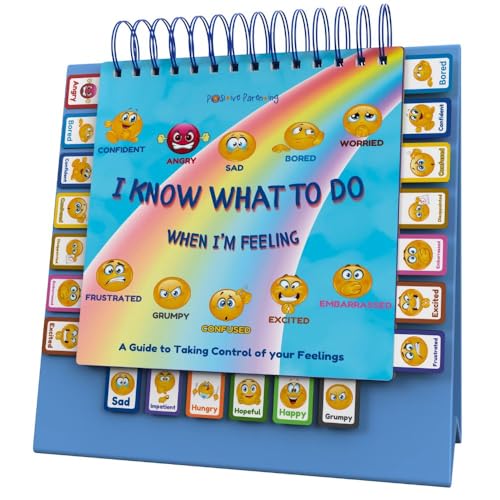
Thought-Spot I Know What to Do Flipbook | Emotions Wheel & Feelings Chart | Emotional Regulation Tool for Home, Class, or Calm Down Corner | Helps Kids Learn Coping Skills | Autism Must-Have
Understand & Express Everyday Feelings: Visually guides children ages 3–5 to recognize and name their emotions. This flipbook…
As an affiliate, we earn on qualifying purchases.
As an affiliate, we earn on qualifying purchases.
Conclusion
So, as you navigate the labyrinth of mental health, remember that borderline personality disorder can be mistaken for other conditions—like a modern-day Sphinx guarding its secrets. Always seek a thorough evaluation from a skilled clinician, who can cut through the fog of misdiagnosis. Don’t settle for a static diagnosis; mental health is a dynamic journey. In this age of instant information, trust in expert guidance is your best compass to avoid being caught in a Gordian knot.

Mental Health Mood Journal – Your Daily Self-Care Companion, Guided Mental Health Journal, 90 Day Mood & Anxiety Tracker with Prompts for Gratitude, Self Care, Sleep & Stress Management (#a)
All-in-One Mental Wellness Tracking System: This comprehensive journal combines gratitude logging, mood tracking, anxiety management, and daily planning…
As an affiliate, we earn on qualifying purchases.
As an affiliate, we earn on qualifying purchases.
BPD symptom assessment book
As an affiliate, we earn on qualifying purchases.
As an affiliate, we earn on qualifying purchases.