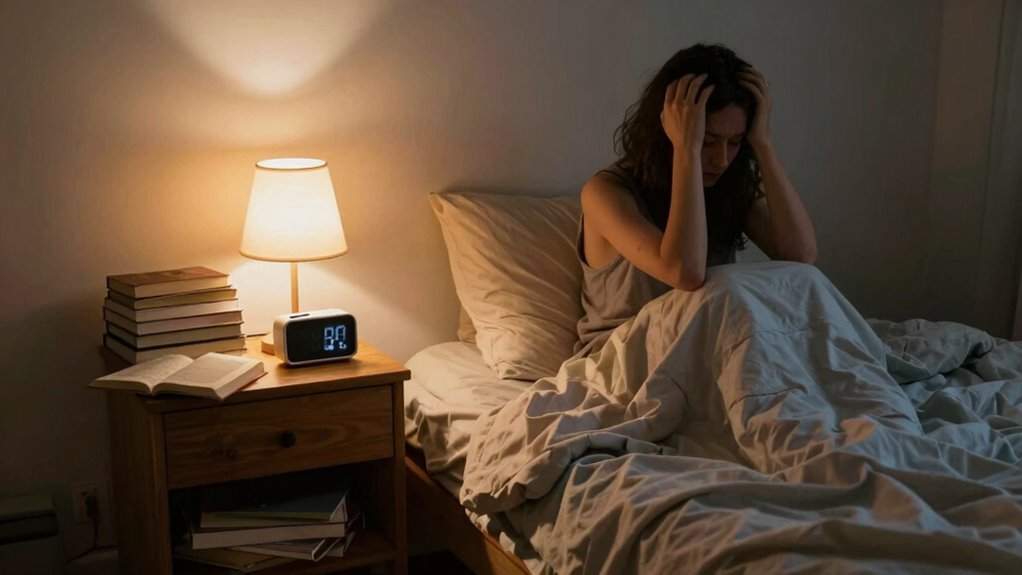

If you’re dealing with BPD, you might not realize how much your sleep problems impact your emotional stability. Poor sleep worsens mood swings, impulsivity, and emotional distress, creating a cycle that’s hard to break. Prioritizing healthy sleep habits and relaxation techniques can substantially improve your mood and emotional regulation. Understanding this connection is key to managing BPD effectively, and if you keep exploring, you’ll discover more ways to support your mental health through better sleep habits.
Key Takeaways
- Sleep disruptions can worsen emotional instability and impulsivity in individuals with BPD.
- Poor sleep creates a cycle where emotional distress causes sleep issues, and vice versa.
- Implementing sleep hygiene strategies can improve sleep quality and emotional regulation in BPD.
- Emotional overwhelm and racing thoughts often hinder sleep, but calming routines support restful sleep.
- Recognizing and addressing sleep problems is essential for managing BPD symptoms effectively.
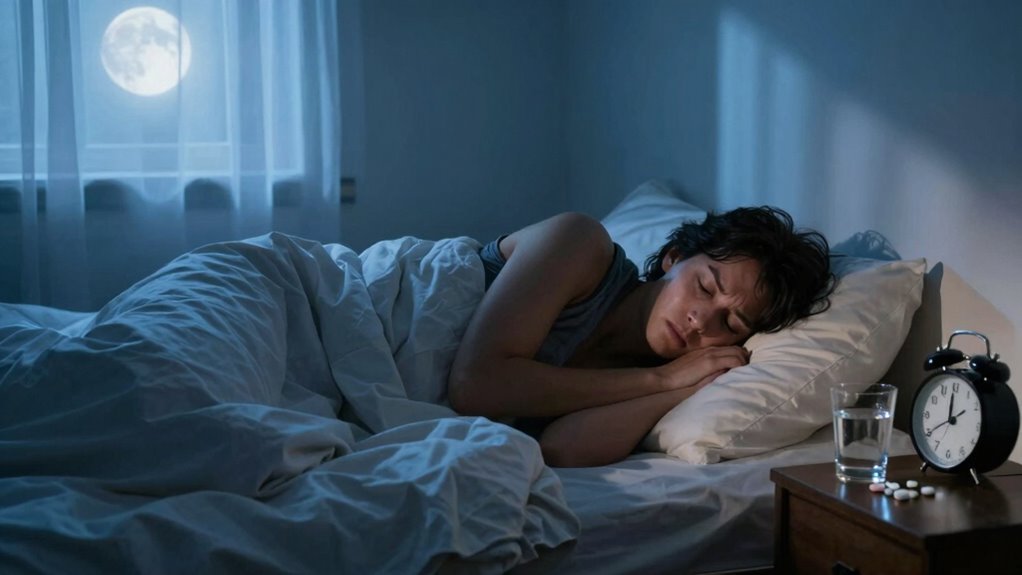
Borderline Personality Disorder (BPD) often comes with significant sleep difficulties that can worsen emotional instability. When your sleep is disrupted, it’s harder to regulate your emotions, making mood swings and impulsive reactions more intense. Many people with BPD don’t realize how closely their sleep habits are linked to their emotional health. Poor sleep can create a vicious cycle—heightened emotional distress leads to trouble sleeping, and lack of rest further amplifies emotional dysregulation. Recognizing this connection is essential for managing BPD effectively.
Sleep difficulties can worsen emotional instability in BPD, creating a cycle that affects mood and impulsivity.
One of the most effective ways to break this cycle is by improving your sleep hygiene. Sleep hygiene involves establishing routines and habits that promote restful sleep. For example, sticking to a consistent sleep schedule helps reset your body’s internal clock, making it easier to fall asleep and wake up feeling more refreshed. Avoiding caffeine and heavy meals before bedtime reduces potential disruptions, while creating a calming environment—such as dim lighting and a cool, comfortable room—signals to your brain that it’s time to wind down. Limiting screen time at least an hour before bed is also *pivotal*, as the blue light emitted by phones and computers can interfere with melatonin production, making it harder to fall asleep. Additionally, understanding the importance of sleep in emotional regulation can motivate you to prioritize these habits.
Emotion regulation plays a *fundamental* role in sleep health, especially for those with BPD. When you’re emotionally overwhelmed, your mind can race, making it difficult to relax and drift off. Developing coping strategies—like mindfulness, deep breathing, or journaling—can help calm your mind before bed. These techniques not only reduce stress but also improve your ability to regulate emotions during the day, which in turn supports better sleep at night. Creating a pre-sleep routine that incorporates these calming practices can serve as a signal to your brain that it’s time to relax, fostering a smoother *passage* into sleep.
Understanding the impact of sleep on BPD symptoms is a *turning point*. By prioritizing sleep hygiene and honing your emotion regulation skills, you can lessen emotional volatility and improve your overall well-being. It’s not about overnight change but cultivating small, consistent habits that support your mental health. Recognizing that sleep problems are common in BPD and understanding their impact can motivate you to make necessary adjustments. Remember, managing sleep is an active process—one that requires patience and persistence—but the benefits of a restful night extend far beyond feeling rested. They help stabilize your emotions, giving you a stronger footing to navigate the challenges of BPD.

Moody Bitches: The Truth About the Drugs You're Taking, the Sleep You're Missing, the Sex You're Not Having, and What's Really Making You Crazy
As an affiliate, we earn on qualifying purchases.
As an affiliate, we earn on qualifying purchases.
Frequently Asked Questions
Can Sleep Issues Predict BPD Episodes or Crises?
Yes, sleep issues can predict BPD episodes or crises. Poor sleep hygiene often triggers emotional instability, making crises more likely. Pay attention to your sleep patterns and consider dream analysis to understand underlying emotional triggers. Maintaining consistent sleep routines and exploring your dreams can help you identify early warning signs, allowing you to manage or prevent episodes before they escalate. Prioritizing quality sleep is essential for emotional regulation.
Are Sleep Problems More Severe During Certain BPD Symptom Phases?
Yes, sleep problems tend to be more severe during certain BPD symptom phases. During emotional crises, your sleep hygiene often worsens, making it harder to fall asleep or stay asleep. Disruptions to your circadian rhythms can intensify these issues, leading to heightened mood swings and impulsivity. Paying attention to maintaining regular sleep routines and improving sleep hygiene can help stabilize your circadian rhythms, reducing severity during these challenging phases.
How Does Medication for BPD Affect Sleep Quality?
Medication for BPD can affect your sleep quality, often causing side effects like insomnia or drowsiness. These side effects may disrupt your natural sleep patterns, making it harder to get restful sleep. To counteract this, you should focus on maintaining good sleep hygiene—like sticking to a regular sleep schedule and avoiding caffeine before bed. Always discuss any sleep issues with your doctor to find the best treatment plan for you.
Can Improving Sleep Reduce BPD Symptom Intensity?
Absolutely, improving sleep can profoundly soothe BPD symptoms. When you practice good sleep hygiene—like sticking to a consistent schedule and creating calm environments—you foster restful nights. Dream analysis helps you decode emotional disturbances, easing inner turmoil. Sleeping soundly stabilizes mood swings, sharpens self-awareness, and softens emotional storms, making your overall mental health more manageable. Prioritizing quality sleep transforms chaos into calm, making your journey toward emotional stability smoother and more sustainable.
Are There Specific Sleep Patterns Linked to BPD Diagnosis?
You might notice that individuals with BPD often experience disrupted sleep cycles, which can affect their emotional regulation. These sleep patterns may include difficulty achieving restorative sleep, leading to increased mood swings and impulsivity. Paying attention to maintaining a consistent sleep cycle and prioritizing restful sleep can help manage symptoms. Improving your sleep habits may support emotional stability and overall well-being, especially if BPD is a concern.

Zarbee's Baby Sleep Spray; Calming Bedtime Spray with Natural Lavender and Chamomile to Help Infant Nighttime Routine; 2oz Bottle
CALMING SPRAY FOR BABIES: A great addition to baby’s sleep routine, this Calming Spray is made with lavender…
As an affiliate, we earn on qualifying purchases.
As an affiliate, we earn on qualifying purchases.
Conclusion
Understanding the quiet whispers between BPD and sleep issues reveals a delicate dance many overlook. By tuning into these subtle signals, you can gently guide yourself toward better rest and brighter days. It’s a journey of small, mindful steps that lead to profound changes. Remember, even in the darkness, there’s a path toward light—sometimes just a gentle nudge is all you need to find your way back to peaceful nights.

livho High Tech Blue Light Glasses – Advanced Blue Light Blocking Computer Glasses – Screen Fatigue & UV Protection
Elevate your screen time comfort with these stylish women's/men's eyewear frame blue light blocking glasses, designed to reduce…
As an affiliate, we earn on qualifying purchases.
As an affiliate, we earn on qualifying purchases.

Light Therapy Lamp for Anxiety Relief, Designed for Photosensitivity, Migraine and Insomnia, Soft Light Paired with Soothing Music to Aid Sleep and Emotional Regulation
Specific Wavelength Therapy: Features a 520nm green light wavelength that generates relatively mild electrical signals and reduced brain…
As an affiliate, we earn on qualifying purchases.
As an affiliate, we earn on qualifying purchases.