

Living with BPD often means you fear being too much, feeling your emotions are overwhelming or unpredictable. You might struggle to set boundaries, worried they’ll seem distant or uncaring, which can lead to push-pull dynamics. This fear can cause you to hide your true feelings or doubt others’ ability to handle your intensity. It’s a silent battle that affects your confidence and relationships. If you keep exploring, you’ll uncover ways to navigate this challenge and find greater self-understanding.
Key Takeaways
- Individuals with BPD often fear their intense emotions will overwhelm or push others away.
- Difficulty in setting boundaries can lead to feelings of being “too much” and emotional exhaustion.
- The push-pull dynamic in relationships reflects fears of vulnerability and rejection.
- Learning emotional regulation and self-awareness helps reduce feelings of being overwhelming or unsafe.
- Building trust through authentic communication and boundary-setting fosters healthier connections.

Have you ever felt like you might be too much for others—overwhelming or impossible to handle? If so, you’re not alone. Many people with Borderline Personality Disorder (BPD) wrestle with this fear, often feeling like their emotions are too intense or unpredictable for anyone to manage. You might find yourself caught in a cycle of emotional regulation, desperately trying to control your feelings, yet feeling overwhelmed by them all the same. This constant effort to keep your emotions in check can leave you exhausted, convinced that your emotional depth is a burden to those around you. The worry that you’ll push people away with your intensity can make you retreat even further, reinforcing a sense of being too much to handle.
Feeling like your emotions are too much? You’re not alone—many with BPD struggle with this fear and emotional overwhelm.
Part of this struggle stems from your difficulty in establishing healthy relationship boundaries. You may fear that setting boundaries will make you seem distant or uncaring, but without them, your emotions can spiral, leading to impulsivity or clinginess. It’s a delicate balance—wanting to connect deeply but also fearing that vulnerability will expose you to rejection or judgment. This push and pull can foster a cycle where you either over-invest in relationships or withdraw entirely to protect yourself from potential harm. That fear of being too much often results in a silent battle within, where your desire for closeness clashes with your fear of alienation.
You might also worry that your emotional reactions are too unpredictable, making it hard for others to understand or support you. This unpredictability feeds into your doubt that anyone can truly handle your emotional landscape. As a result, you may keep your true feelings hidden, believing that if others saw your raw, unfiltered self, they’d run away. The challenge lies in learning to manage your emotions through emotional regulation techniques without feeling like you’re suppressing who you are. Developing this skill allows you to express yourself authentically while still respecting your own needs and boundaries. It’s not about hiding or minimizing your feelings but understanding them enough to communicate them clearly and safely. Recognizing that emotional regulation is a vital skill can help you build trust in yourself and your relationships, especially when you understand how your emotional landscape influences your interactions.
Furthermore, understanding that boundary setting is essential for healthy relationships can help you feel more empowered to communicate your needs without fear of judgment. Ultimately, your fear of being too much isn’t a reflection of your worth but a sign of how deeply you feel and how much you want genuine connection. Recognizing that boundaries are a healthy part of relationships can help you feel more secure in expressing your true self. You don’t have to be perfect or suppress your emotions to be loved; you just need to learn how to navigate your inner world and your relationships with patience and kindness. With time, you’ll discover that being authentic and setting appropriate boundaries can bring you closer to the connections you crave, without the fear of overwhelming others.
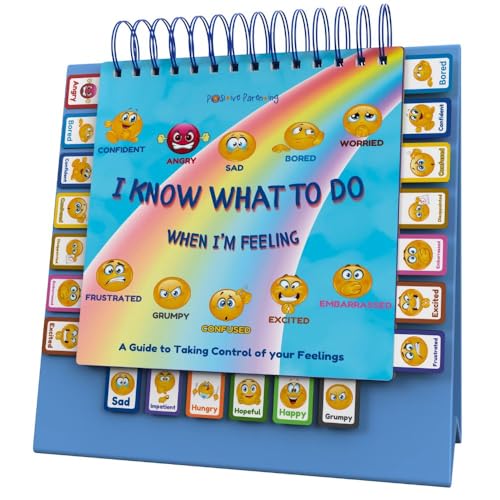
Thought-Spot I Know What to Do Flipbook | Emotions Wheel & Feelings Chart | Emotional Regulation Tool for Home, Class, or Calm Down Corner | Helps Kids Learn Coping Skills | Autism Must-Have
Understand & Express Everyday Feelings: Visually guides children ages 3–5 to recognize and name their emotions. This flipbook…
As an affiliate, we earn on qualifying purchases.
As an affiliate, we earn on qualifying purchases.
Frequently Asked Questions
How Does Fear of Being Too Much Develop in BPD?
Your fear of being too much develops from a lack of emotional validation early on, making you doubt your feelings and worth. You might struggle to accept yourself with self-compassion, fearing rejection or judgment. This creates a cycle where you hide parts of yourself to avoid perceived rejection, reinforcing the fear. Building emotional validation and practicing self-compassion can help you gradually feel safer expressing your true self without fear.
Can BPD Symptoms Worsen With Fear of Rejection?
Yes, your BPD symptoms can worsen with the fear of rejection. When you struggle with emotional regulation and lack self-acceptance, this fear intensifies, leading to heightened mood swings, impulsivity, and unstable relationships. You might become more hypersensitive to perceived rejection, which fuels the cycle of emotional distress. Focusing on developing self-acceptance and better emotional regulation skills can help reduce these symptoms and improve your resilience against rejection.
Are There Specific Triggers for Fearing Being Too Intense?
Yes, certain triggers can make you fear being too intense. When you’re emotionally sensitive, situations like boundary testing or perceived rejection can heighten your anxiety. You might worry about overwhelming others or losing control, which fuels your fear of being too much. Recognizing these triggers helps you understand your reactions better, so you can develop healthier coping strategies and communicate more effectively, reducing the intensity of your fears over time.
How Does This Fear Impact Relationships Over Time?
Your fear acts like a shadow, quietly eroding trust and blurring emotional boundaries over time. You might withdraw or push others away, fearing you’ll be too much, which creates distance. This cycle makes it harder to build genuine connections, as trust becomes fragile. Over time, relationships can feel like fragile glass, vulnerable to breaking with even the slightest tremor of your fears, leaving you isolated and unsure.
What Are Effective Strategies to Manage This Fear?
To manage this fear, start with self-compassion exercises to nurture kindness toward yourself. Practice mindfulness techniques to stay present and observe your thoughts without judgment, helping reduce anxiety about being perceived as too much. Regularly remind yourself that your feelings are valid and worth acceptance. Over time, these strategies build resilience, allowing you to develop healthier relationships with less fear and more confidence in your authentic self.

Switch Research Emotions Journal – Self Care Journal – Psychologist-Backed Manifestation Journal – Therapist Recommended Affirmation – Beautiful Self Care for Women – Size: A4
PSYCHOLOGIST-DEVELOPED STRATEGIES FOR EMOTIONAL WELL-BEING – This manifestation journal is a compilation of research-backed strategies for emotional regulation….
As an affiliate, we earn on qualifying purchases.
As an affiliate, we earn on qualifying purchases.
Conclusion
So, next time you worry about being too much, remember—you’re not just a little fire; you’re a blazing supernova, lighting up the universe with your intensity. Your fears? Just tiny sparks trying to dim your infinite glow. Embrace your wild, uncontainable energy, because trying to be less is like trying to turn off the sun. Trust in your brilliance, and let your true self shine brighter than ever—because the world needs your extraordinary light.

The Dialectical Behavior Therapy Skills Workbook: Practical DBT Exercises for Learning Mindfulness, Interpersonal Effectiveness, Emotion Regulation, and Distress Tolerance
As an affiliate, we earn on qualifying purchases.
As an affiliate, we earn on qualifying purchases.
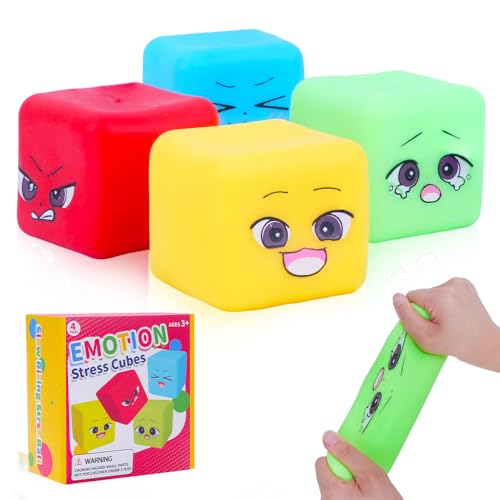
Stress Balls Sensory Toys for Kids: 4 Pack Emotion Slow Rising Squishy for Anxiety Stress Relief – Stress Fidget Squeeze Cubes for Kids Adults Autism,Classroom Prizes & Party Favors
【Emotion Stress Balls for kids】This stress balls fidget toy set includes 4 soft, colorful squeeze balls that fit…
As an affiliate, we earn on qualifying purchases.
As an affiliate, we earn on qualifying purchases.