

Living with BPD can make long-term planning difficult because impulsivity and emotional swings often lead you to make rushed decisions without considering future consequences. Your intense emotions might cause you to abandon or change plans suddenly, while emotional triggers can cause setbacks. This emotional turbulence hampers patience and consistency, making it hard to stay committed. If you want to discover effective ways to manage these challenges and achieve your goals, there’s more to explore below.
Key Takeaways
- Impulsivity leads to sudden decisions that can disrupt or derail long-term plans.
- Emotional fluctuations cause inconsistency, making sustained planning difficult.
- Emotional triggers can cause reactions that interrupt goal-focused efforts.
- Difficulty managing emotions results in abandoning or revising plans frequently.
- Lack of patience and persistence hinders the achievement of long-term objectives.

Have you ever wondered how Borderline Personality Disorder (BPD) affects your ability to plan for the future? It’s a question many people with BPD grapple with daily. One of the core ways BPD impacts long-term planning is through impulsivity challenges. You might find yourself making sudden decisions without fully considering the consequences, which can derail your goals or dreams. This impulsivity isn’t just about acting on a whim; it’s often driven by intense emotions and a difficulty in managing them. As a result, your plans can be interrupted or abandoned altogether because the urge to seek immediate relief or gratification takes over.
Impulsivity driven by intense emotions can disrupt your plans and derail long-term goals.
Alongside impulsivity, emotional regulation plays a significant role in how you approach the future. BPD can cause intense, rapidly shifting emotions that make it hard to maintain a steady focus on long-term objectives. When your emotions swing wildly, it’s difficult to stay committed to plans, especially when setbacks or frustrations arise. You might start with good intentions but then find yourself overwhelmed by feelings of fear, anger, or despair, which can cause you to lose sight of your goals. This emotional turbulence often leads to a cycle where plans are made impulsively, only to be disrupted by emotional outbursts or the need for immediate comfort, rather than steady, thoughtful progress. Recognizing that emotional dysregulation is a core feature of BPD can help you develop targeted strategies to manage these impulses more effectively. Additionally, understanding the emotional triggers that set off your reactions can empower you to create healthier coping mechanisms.
Because of these challenges, you might struggle with consistency and patience, both crucial for effective long-term planning. Your impulsivity can cause you to jump from one idea to another, making it hard to follow through on commitments. Meanwhile, emotional dysregulation can cause you to second-guess your plans or abandon them altogether when feelings become too intense. This creates a pattern where setbacks feel insurmountable, and long-term goals seem out of reach because your emotional state constantly shifts. Additionally, understanding impulsivity as a core feature of BPD can help you develop targeted strategies to manage these impulses more effectively. Developing self-awareness about how your emotions influence your decisions can also be a powerful tool in fostering more consistent planning. Recognizing how emotional reactivity influences your decision-making can help you create healthier responses and improve your ability to stick to your goals.
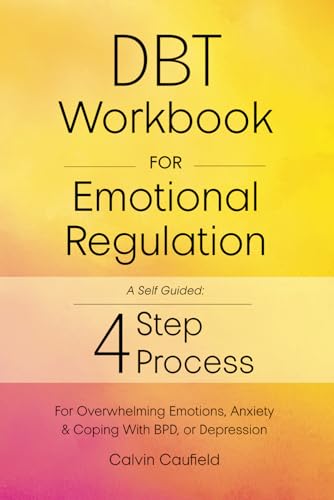
DBT Workbook for Emotional Regulation: A Self-Guided 4-Step Process for Using Essential Dialectical Behavior Therapy Skills for Overwhelming Emotions, Anxiety & Coping with BPD, or Depression
As an affiliate, we earn on qualifying purchases.
As an affiliate, we earn on qualifying purchases.
Frequently Asked Questions
Can BPD Symptoms Improve Over Time?
Yes, BPD symptoms can improve over time. With consistent therapy, you can develop better emotional regulation and impulsivity management skills, which often lead to less intense mood swings and reckless behaviors. You might notice increased stability in your relationships and daily life. While progress varies for each person, many find that ongoing support and self-awareness help manage symptoms effectively, leading to a more balanced and hopeful future.
How Does BPD Impact Financial Decision-Making?
You might find BPD impacts your financial decision-making through increased financial impulsivity, making it hard to resist sudden purchases. It can also impair your risk assessment, leading you to underestimate financial dangers or overestimate rewards. This combination may cause unstable financial situations, making planning ahead difficult. Recognizing these patterns helps you develop strategies to manage impulsivity and improve your decision-making, promoting more stability and healthier financial habits over time.
Are There Specific Therapies That Help With Planning?
Yes, specific therapies like Dialectical Behavior Therapy (DBT) help with planning. You learn skill development techniques, such as emotional regulation and mindfulness, which improve your ability to focus on long-term goals. Cognitive restructuring is also key, as it helps you challenge negative thoughts that hinder planning. Together, these approaches support better decision-making and develop your capacity for effective, sustained long-term planning despite challenges posed by BPD.
Can Medication Influence Long-Term Planning Skills?
Medications can profoundly influence your planning skills, sometimes like flipping a switch from chaos to clarity. They stabilize mood swings and reduce impulsivity, making long-term thinking more manageable. While not a magic cure, the right medication effects can sharpen your focus and improve decision-making. With consistent use and professional guidance, you might find it easier to set goals and stick to plans, transforming overwhelming chaos into organized progress.
How Do Relationships Affect Planning With BPD?
Your relationships can profoundly influence your planning with BPD. When emotional stability fluctuates, you might make impulsive choices, impacting your ability to set long-term goals. Close relationships can either provide support, helping you stay focused, or trigger emotional distress, leading to poor planning decisions. Recognizing these dynamics helps you develop healthier strategies, balancing emotional responses and reducing impulsivity, ultimately improving your long-term planning abilities.

Borderline Personality Disorder in Adolescents, 3rd Edition: A Complete Guide for Families of Teens with BPD
As an affiliate, we earn on qualifying purchases.
As an affiliate, we earn on qualifying purchases.
Conclusion
Understanding how BPD influences your ability to plan long-term can be a game-changer. It’s important to recognize these challenges and seek support when needed, because sometimes, you just have to face the music and take small steps forward. With patience and proper help, you can learn to navigate these obstacles better. Remember, Rome wasn’t built in a day, and progress might be slow, but every step counts on your journey to stability.

Peace of Mind Planner: Important Information about My Belongings, Business Affairs, and Wishes
Durable hardcover with concealed wire-o binding
As an affiliate, we earn on qualifying purchases.
As an affiliate, we earn on qualifying purchases.

Borderline Personality Disorder Workbook: DBT Strategies and Exercises to Manage Symptoms and Improve Well-Being
As an affiliate, we earn on qualifying purchases.
As an affiliate, we earn on qualifying purchases.