

If you have BPD, emotional swings can make it hard to stay focused and motivated. Intense feelings like doubt or sadness often lead you to give up on goals or tasks. Impulsivity might cause you to act rashly or abandon projects mid-way, even if you truly want to succeed. Managing emotions and impulses can help you stay on track, and understanding these challenges is key to improving your follow-through. Keep exploring to learn ways to strengthen your motivation and resilience.
Key Takeaways
- Emotional dysregulation in BPD causes mood swings that disrupt consistent motivation and goal pursuit.
- Impulsivity leads to rash decisions, making it hard to maintain focus and follow through on commitments.
- Emotional volatility can result in frustration and abandonment of tasks, hindering progress over time.
- Difficulty managing intense emotions and impulses creates cyclical fluctuations in motivation levels.
- Developing emotional regulation and impulse control skills enhances perseverance and goal achievement.

Have you ever wondered how Borderline Personality Disorder (BPD) impacts your motivation? It’s a question many people with BPD grapple with because the disorder directly influences how you manage your emotions and control impulses. Emotional regulation often feels like an uphill battle, leaving you overwhelmed by intense feelings that can derail your focus and drive. When your emotions swing wildly, it’s hard to stay motivated for long-term goals or even daily tasks. You might start with enthusiasm but quickly feel engulfed by doubt, frustration, or sadness, making it tough to follow through. This emotional volatility creates a cycle where your motivation flickers, sometimes burning brightly and other times flickering out altogether.
Impulse control is another critical factor that affects your motivation. If you struggle with impulsivity, making rash decisions without considering consequences can become a barrier to progress. Instead of sticking to a plan or working steadily toward your goals, you might find yourself sidetracked by sudden urges or temptations. This impulsiveness can lead to abandoning projects midway, even when you genuinely want to succeed. It’s as if your impulses override your long-term intentions, making it feel like motivation is out of reach. The frustration that comes from this can further dampen your desire to try again, creating a cycle of interrupted efforts and unmet expectations.
Because emotional regulation and impulse control are intertwined with motivation, managing one can sometimes help improve the other. When you learn strategies to better regulate your emotions—such as mindfulness or grounding techniques—you might find it easier to stay focused and committed. Recognizing that these skills are interconnected can help you develop a more comprehensive approach to managing your challenges. Similarly, developing stronger impulse control can help you stick with tasks, resist distractions, and see projects through to completion.
Understanding how these factors interact with each other can be a crucial part of your recovery process. Incorporating techniques that target emotional regulation can also help reduce the emotional intensity that often derails motivation. Additionally, building awareness of your emotional responses can empower you to respond more thoughtfully rather than react impulsively.
Understanding how BPD affects your motivation is the first step toward managing these challenges. Recognizing that emotional regulation and impulse control are at the core of your difficulties allows you to seek targeted support, whether through therapy, coping strategies, or medication. With patience and practice, you can learn to navigate the emotional landscape more effectively and build resilience, gradually strengthening your motivation to follow through on your goals. Additionally, understanding the role of emotional regulation can empower you to develop effective coping mechanisms that foster greater consistency in your efforts.

52 Mindfulness Cards – Simple Practices for Stress & Anxiety Relief, Emotional Regulation, and Mindful Living – Daily Self Care Exercises & Inspirational Affirmations for Calm, Relaxation, & Grounding
[Cultivate Presence & Calm] – Practice 52 unique mindfulness exercises to fully ground yourself and engage with the…
As an affiliate, we earn on qualifying purchases.
As an affiliate, we earn on qualifying purchases.
Frequently Asked Questions
Can Medication Improve Motivation in Individuals With BPD?
Yes, medication can improve motivation in individuals with BPD by addressing underlying symptoms like mood swings and emotional instability. The efficacy of medication varies, so working with your healthcare provider helps optimize treatment. Managing side effects is essential, and they can adjust doses or suggest alternatives. When combined with therapy, medication may support better follow-through and help you stay motivated to achieve your goals.
How Does BPD Impact Long-Term Goal Setting?
With BPD, your ability to set and pursue long-term goals can be challenging due to difficulties with emotional regulation and impulse control. You might find yourself overwhelmed by intense emotions or acting impulsively, which hampers sustained focus. These challenges can cause you to lose motivation or shift priorities unexpectedly, making it harder to stay committed. Developing coping strategies for emotional regulation and impulse control can improve your capacity to plan and follow through on long-term goals.
Are There Specific Therapies That Enhance Follow-Through?
Ironically, the very therapies that help you improve emotional regulation and interpersonal skills are the ones that boost your follow-through. Dialectical Behavior Therapy (DBT) and Cognitive Behavioral Therapy (CBT) are proven to enhance motivation by teaching you how to manage intense emotions and build healthier relationships. These therapies empower you to stay committed to your goals, even when BPD’s emotional turbulence tries to derail your progress.
Does BPD Affect Motivation Differently Across Age Groups?
Yes, BPD can affect motivation differently across age groups. In younger individuals, emotional regulation challenges might lead to fluctuating motivation, making follow-through harder. Older adults may develop better impulse control and emotional regulation, gradually improving motivation and consistency. These differences influence how BPD impacts your ability to stay motivated, as emotional regulation and impulse control evolve over time, shaping your capacity to follow through on goals at various ages.
Can Lifestyle Changes Boost Motivation in BPD Patients?
Absolutely, lifestyle changes can boost motivation in BPD patients—if only they came with a magic wand. Focusing on emotion regulation and impulsivity management through routines, mindfulness, and therapy helps stabilize mood swings, making follow-through easier. While it’s not a cure-all, these tweaks can provide a sturdy foundation, nudging you closer to goals with less chaos. Who knew that small, disciplined shifts could turn motivation from a fleeting ghost into a reliable companion?
impulse control journal for BPD
As an affiliate, we earn on qualifying purchases.
As an affiliate, we earn on qualifying purchases.
Conclusion
Living with BPD can make motivation feel like an uphill battle, but understanding its impact helps you find compassion for yourself. Remember, studies show that nearly 75% of people with BPD experience significant challenges in maintaining consistent motivation. That statistic highlights you’re not alone—your struggles are shared by many. Embrace small steps forward, celebrate progress, and seek support when needed. You’re capable of growth, even when motivation dips; your journey matters.
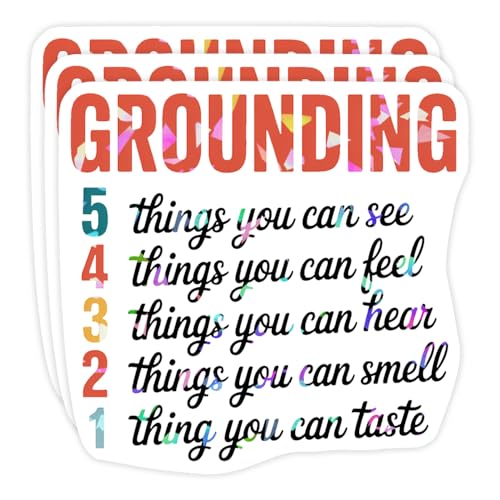
(3 Pcs) Hologaraphic 5-4-3-2-1 Grounding Technique Sticker – Anxiety Relief Mental Health Tool for Autism, Panic Attacks, Therapy & Mindfulness Reminder 3 Inches
GROUNDING TECHNIQUE: Features the popular 5-4-3-2-1 sensory awareness method to help manage anxiety, panic attacks, and promote mindfulness
As an affiliate, we earn on qualifying purchases.
As an affiliate, we earn on qualifying purchases.

Beechmore Books Motivational Weekly Planner Notebook – Organizer Journal with Transformational Road Map for Self-Reflection & Tracking Goals – Gift Box, Pen Holder, Instruction Booklet – 248 Pages
Transform Your Life – Follow a roadmap with clear steps to define goals and achieve purposeful milestones. This…
As an affiliate, we earn on qualifying purchases.
As an affiliate, we earn on qualifying purchases.