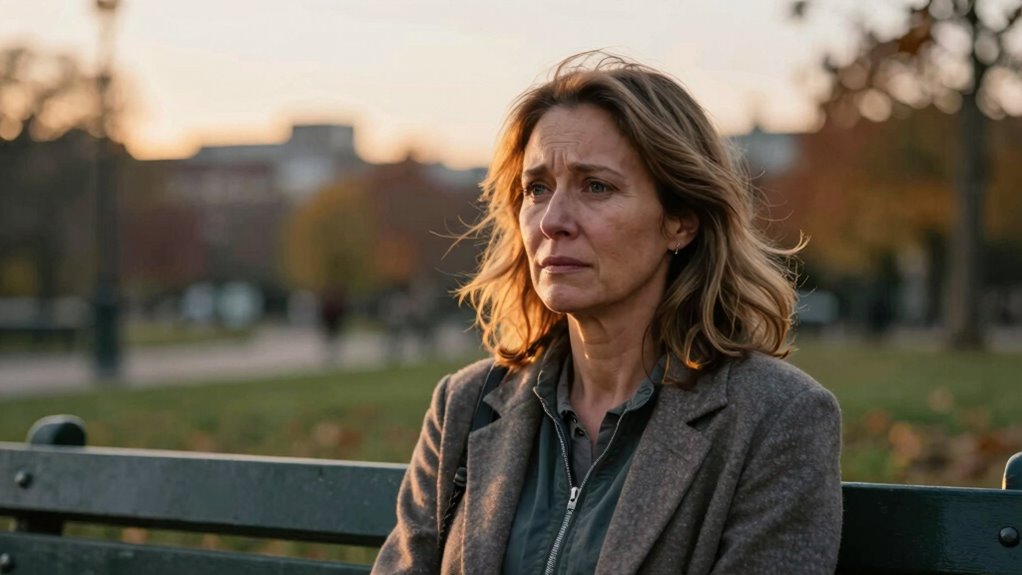

Yes, BPD symptoms can change with age as you gain more life experience and develop new coping skills. Over time, you may find emotional volatility less overwhelming and feel better able to manage triggers. Impulsive behaviors tend to decrease, and you’ll often notice increased emotional stability. Support from therapy, mindfulness, and personal growth play key roles in these changes. If you keep exploring, you’ll discover more about how your journey evolves and what helps along the way.
Key Takeaways
- BPD symptoms often decrease in severity as individuals gain more emotional regulation skills over time.
- Aging can lead to better impulse control and decision-making, reducing risky behaviors associated with BPD.
- Ongoing therapy and coping strategies contribute to managing and lessening symptoms with age.
- Emotional triggers may still exist but tend to provoke less intense reactions as emotional stability improves.
- Progress is gradual, and while symptoms may persist, their impact on daily life often diminishes with age.

Have you ever wondered how borderline personality disorder (BPD) symptoms change as you get older? It’s a common question, especially if you’ve been managing BPD for years. The good news is that many people notice shifts in their symptoms over time, often thanks to increased experience, therapy, or personal growth. One area where these changes are most noticeable is in emotion regulation. When you’re younger, intense emotions can feel overwhelming, making it hard to stay grounded or respond calmly. As you age, though, you might find that you develop better skills to manage your feelings. This doesn’t mean the emotions disappear, but rather that you gain more control over how you experience and express them. You may notice that you’re less reactive or that you can soothe yourself more effectively after emotional upheavals. This improvement often comes from ongoing therapy, mindfulness practices, or simply learning from past experiences.
Similarly, impulse control tends to evolve as you get older. In your younger years, you might have acted impulsively—engaging in risky behaviors or making decisions on impulse without considering the consequences. Over time, many people find that they’re able to pause and think more before acting. This doesn’t mean impulsivity vanishes completely, but it becomes less frequent or intense. You might notice that you’re better at weighing options or resisting urges that previously led to impulsive choices. Gaining this control is often a gradual process, helped along by therapy, self-awareness, and life experience. Additionally, as individuals age, they often develop emotion regulation skills that contribute to better overall mental health management. Aging can also influence the perception and management of emotional triggers, which can lead to more stability.
Age-related changes in BPD symptoms aren’t universal, though. Some people might experience significant improvements, while others notice only slight shifts. Factors like the severity of symptoms, support systems, mental health treatment, and personal resilience play vital roles. It’s also important to remember that certain challenges, like emotional volatility or impulsivity, may persist but become more manageable over time. The key is to recognize that change is possible and to keep working toward emotional stability.
Ultimately, you’ll find that aging can bring a different perspective on your symptoms, helping you develop better coping skills. While BPD may always be part of your life, its impact can diminish, making daily living easier and more fulfilling. The journey might be gradual, but with patience and support, you can experience meaningful progress as you grow older.

DBT Skills Therapy Cards for Coping – Dialectical Behavior Therapy Tools for Teens & Adults – Mental Health Emotional Regulation & Stress Relief
Unlock 20 of the most commonly used DBT skills with these easy-to-use DBT therapy cards designed to help…
As an affiliate, we earn on qualifying purchases.
As an affiliate, we earn on qualifying purchases.
Frequently Asked Questions
Can BPD Symptoms Completely Disappear Over Time?
BPD symptoms can improve over time, but they often don’t completely disappear. With age, you might find greater emotional stability and better impulse control, which helps manage symptoms. Therapy and support can considerably reduce the intensity of mood swings and impulsive behaviors. While some people experience near remission, others continue to face challenges. Overall, consistent treatment and self-awareness can lead to substantial improvements, even if symptoms persist.
Do BPD Symptoms Become More Severe With Age?
Your BPD symptoms don’t necessarily become more severe with age; they can fluctuate. As you age, you might develop better emotional regulation skills, which can help lessen intense mood swings and impulsive behaviors. However, relationship dynamics can also impact your symptoms—positive changes may improve your condition, while ongoing conflicts might exacerbate it. Consistent therapy and self-awareness can help manage BPD symptoms effectively over time.
How Does Aging Affect BPD Treatment Options?
As you age, BPD treatment options often adapt to your changing needs. For example, a person in their 30s might require medication adjustments to manage new symptoms or side effects, while therapy adaptations could focus on developing long-term coping skills. These tailored approaches help you navigate emotional stability more effectively, ensuring that your treatment remains relevant and supportive throughout different life stages.
Are There Age-Related Differences in BPD Symptom Presentation?
Yes, age influences BPD symptom presentation. As you grow older, your personality development and emotional regulation improve, often leading to less intense impulsivity and mood swings. You might notice fewer drastic reactions, and some symptoms become more manageable. These changes reflect natural maturation, but individual experiences vary. With ongoing therapy and support, you can continue developing healthier emotional regulation skills, helping you manage BPD symptoms more effectively over time.
Can Life Experiences Alter BPD Symptoms as Someone Ages?
Sure, life experiences can turn your emotional resilience into a rollercoaster, reshaping BPD symptoms along the way. As you age, you might develop new coping strategies or stumble upon old ones, influencing how intense or manageable your symptoms feel. Life’s ups and downs act like a personal trainer for your emotional toolkit, gradually refining your ability to handle emotional turmoil—though, admittedly, it’s often a bumpy, unpredictable journey.

Coping Skills Cards for Anxiety & Stress Relief – Mindfulness, Meditation & Self-Care Tools for Trauma, BPD, DID, PTSD | Mental Health Therapy Gift for Adults & Teens
Helps Manage Emotional Distress and Crisis: Specifically designed to alleviate panic attacks, flashbacks, trauma recollections, anxiety, stress, dissociation,…
As an affiliate, we earn on qualifying purchases.
As an affiliate, we earn on qualifying purchases.
Conclusion
As you grow older, BPD symptoms may soften like fading storm clouds, yet the core challenges often remain. It’s like watching a wildfire diminish to smoldering embers—still present, but less fierce. While age can bring stability, it doesn’t erase the past. Embrace the journey, knowing that change is possible, but also recognizing that some scars may never fully fade. In this dance of time, growth and resilience go hand in hand, shaping your path forward.

Thought-Spot Mad Smartz Anger Management & Social Skills Game for Kids & Teens | Impulse Control & CBT Tool for Emotional Regulation | for Home, School, or Therapy | Autism & ADHD Must-Have
Promotes Social Skills and Emotional Regulation: Mad Smartz, inspired by the card game Uno, addresses crucial issues like…
As an affiliate, we earn on qualifying purchases.
As an affiliate, we earn on qualifying purchases.
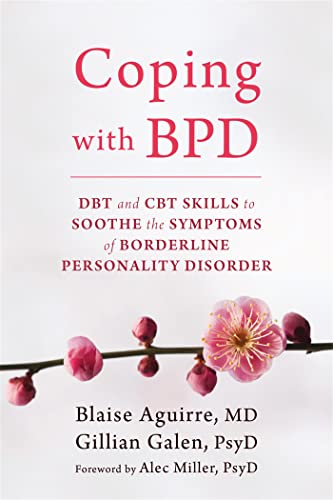
Coping with BPD: DBT and CBT Skills to Soothe the Symptoms of Borderline Personality Disorder
As an affiliate, we earn on qualifying purchases.
As an affiliate, we earn on qualifying purchases.