

If you experience borderline personality disorder, emotional overload can feel like being caught in a storm of intense feelings that overwhelm your coping abilities. You might notice rapid mood swings, feelings of emptiness, or anger triggered by small interactions. Physical symptoms like racing heart or withdrawal often accompany these emotions, affecting your daily life and relationships. Understanding what triggers these feelings and how to manage them can help you regain control—more insights await if you keep exploring.
Key Takeaways
- Intense feelings overwhelm coping abilities, leading to emotional chaos and difficulty managing small interactions or perceived slights.
- Rapid mood swings cause unpredictable shifts between happiness, anger, or despair, straining relationships.
- Physical symptoms like racing heart, sweating, or panic often accompany emotional overload.
- Emotional overload can result in withdrawal, outbursts, or misunderstandings in daily life and relationships.
- Developing awareness and grounding techniques helps manage triggers and emotional intensity effectively.

Living with borderline personality disorder often means experiencing emotional overload, where intense feelings can overwhelm your ability to cope. You might find yourself caught in a whirlwind of emotions that seem impossible to control, leaving you feeling drained and confused. This emotional chaos often stems from heightened interpersonal sensitivity, meaning even small interactions or perceived slights can trigger a surge of intense feelings. You may become hyper-aware of others’ words and actions, interpreting them through a lens of suspicion or hurt, which amplifies your emotional response. This heightened sensitivity makes it difficult to stay grounded, especially when your mood swings suddenly shift from happiness to despair or anger without warning.
Living with borderline personality disorder involves intense emotions and heightened sensitivity that can quickly overwhelm and destabilize you.
Mood regulation becomes a constant challenge when living with borderline personality disorder. You might desperately try to hold onto a sense of stability, but your emotions often spiral out of control, making it hard to maintain a steady mood. One moment, you could feel elated and hopeful, only to plunge into despair or irritability the next. These rapid shifts can happen without clear reasons, leaving you feeling like you’re riding an unpredictable emotional rollercoaster. The inability to regulate your mood effectively can cause strain in relationships, as loved ones may struggle to understand your sudden outbursts or emotional withdrawal. Recognizing the importance of emotion regulation strategies can be a crucial step toward managing these intense feelings. Developing self-awareness about your emotional triggers can also aid in creating more effective coping mechanisms. Additionally, understanding how emotional overload impacts your physical health can help you seek appropriate support and treatment, especially since heightened emotional states can also influence your physical well-being.
When you’re overwhelmed emotionally, you may experience physical symptoms like racing heart, sweating, or a sense of panic. You might withdraw from social interactions to protect yourself from further emotional harm or lash out in anger when you feel misunderstood. The intensity of your feelings often clouds your judgment, making it hard to think clearly or respond rationally. You could also experience feelings of emptiness or worthlessness that seem to intensify during emotional crises, further fueling your distress. This cycle of emotional overload and difficulty with mood regulation can make daily life feel like an ongoing battle. Recognizing that these responses are part of the disorder can help you manage your reactions more effectively, especially when combined with support from mental health professionals.
Despite these challenges, understanding that your emotional responses are part of the disorder can be empowering. Recognizing your interpersonal sensitivity can help you develop strategies to manage your reactions better, such as grounding techniques or seeking support. Working on mood regulation skills, perhaps with therapy, can gradually help you find more stability amid the emotional storms. Living with borderline personality disorder demands patience and self-compassion, but with the right tools, you can learn to navigate your intense feelings more effectively.

The Awareverse Guide to Breathing and Grounding Exercises for Children: Calming Techniques for Anxiety, Overwhelm and Emotional Regulation (Awareverse Parenting Support Guides)
As an affiliate, we earn on qualifying purchases.
As an affiliate, we earn on qualifying purchases.
Frequently Asked Questions
How Can I Tell if Someone Is Experiencing Emotional Overload?
You can tell someone is experiencing emotional overload when they seem overwhelmed, irritable, or out of control. They might struggle with emotional regulation, showing rapid mood shifts or intense reactions. Look for signs like agitation or withdrawal. You can help by encouraging mindfulness techniques, which promote awareness and calmness. Supporting them to pause, breathe, and stay present can make a real difference during these intense moments.
Are Emotional Overload Episodes Always Linked to Specific Triggers?
No, emotional overload episodes aren’t always tied to specific triggers; sometimes, they hit like a lightning strike out of nowhere. Developing trigger awareness helps you recognize these sudden storms, but building emotional resilience means you can weather them, no matter the cause. You might find yourself overwhelmed without warning, yet strengthening your resilience allows you to stay steady, even during the fiercest emotional tempests.
How Long Does Emotional Overload Typically Last?
Emotional overload can last anywhere from a few minutes to several hours, depending on your emotional regulation and coping strategies. When you notice signs of overload, using techniques like deep breathing or grounding exercises can help you regain control faster. It’s important to be patient with yourself, as implementing healthy coping strategies often shortens the duration and helps manage intense feelings more effectively.
Can Emotional Overload Lead to Physical Health Issues?
Yes, emotional overload can trigger physical health issues. When you’re overwhelmed, your stress response kicks in, leading to physical symptoms like headaches, fatigue, or stomach troubles. Over time, this constant state of heightened alertness strains your body, increasing risks for more serious problems. Ignoring these signs might seem harmless at first, but the persistent stress response can take a toll on your overall health, making it essential to manage emotional overload early.
What Are Quick Ways to Calm Emotional Overload in BPD?
To quickly calm emotional overload in BPD, try using mindfulness techniques like deep breathing or focusing on your senses. Grounding exercises, such as holding onto a textured object or describing your surroundings, help bring your attention back to the present. These strategies can reduce overwhelming feelings fast, helping you regain control and feel more centered. Practice them regularly so they become easier to use during intense moments.

BORDERLINE PERSONALITY DISORDER WORKBOOK: Develop Emotional Regulation Skills, Address Triggers, Enhance Self-Understanding of BPD and Improve Communication Techniques (Empowering Change Series)
As an affiliate, we earn on qualifying purchases.
As an affiliate, we earn on qualifying purchases.
Conclusion
Imagine your emotions as a wild river, rushing uncontrollably during a storm. When you experience emotional overload with borderline personality, it’s like trying to navigate that turbulent current without a map. But remember, even the wildest river can be tamed with the right tools and guidance. With patience, support, and self-awareness, you can learn to steer through the chaos, finding calm amid the storm and restoring your inner balance.
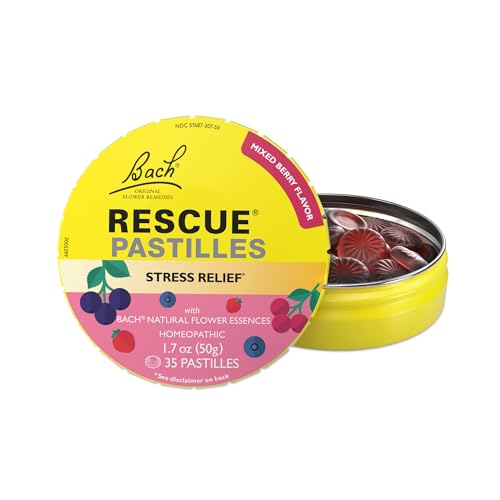
Bach RESCUE PASTILLES, Mixed Berry Flavor, Stress Relief Lozenges, Homeopathic, Flower Essences, 35 Count
NEW FLAVOR & NEW FORMULA: Bach Rescue Pastilles in mixed berry flavor, sweetened with stevia leaf
As an affiliate, we earn on qualifying purchases.
As an affiliate, we earn on qualifying purchases.
Awareness Tracker Journal: Unlock Self-Awareness and Emotional Growth: Track Triggers, Set Boundaries, and Build Emotional Intelligence for Intentional Living
As an affiliate, we earn on qualifying purchases.
As an affiliate, we earn on qualifying purchases.