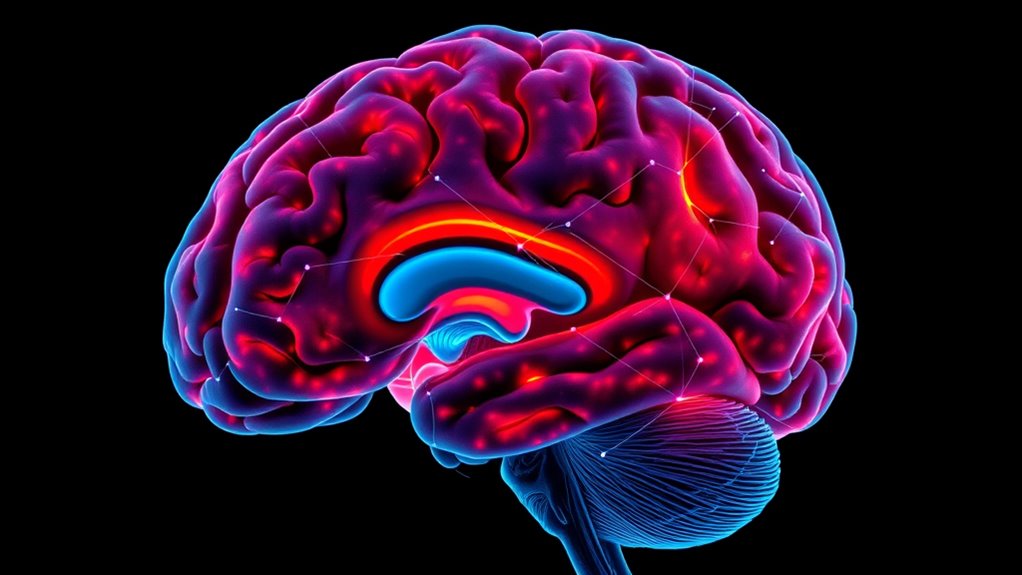

Brain research shows that BPD involves changes in regions responsible for emotion, impulse control, and social understanding, like the amygdala, hippocampus, and prefrontal cortex. Functional connectivity disruptions, especially between emotion regulation networks, cause intense feelings and impulsivity. Neurochemical factors, including serotonin and oxytocin systems, also play a role. Early trauma and environmental influences shape these brain patterns, but therapies can promote brain plasticity. Exploring these insights offers a deeper understanding of what drives BPD.
Key Takeaways
- Structural brain changes in BPD include reduced gray matter in the amygdala and hippocampus, affecting emotion regulation.
- Functional imaging shows hyperactive amygdala and disrupted prefrontal connectivity, leading to emotional reactivity and impulsivity.
- Overactive default mode network (DMN) contributes to rumination and self-criticism in individuals with BPD.
- Neurochemical imbalances, especially serotonin and oxytocin dysregulation, influence mood, impulsivity, and interpersonal difficulties.
- Psychotherapy can induce neural plasticity, decreasing amygdala activity and strengthening emotion regulation circuits.
Top picks for "neuroscience brain research"
Open Amazon search results for this keyword.
As an affiliate, we earn on qualifying purchases.
Neuroanatomical Changes in BPD

Neuroanatomical changes in BPD primarily involve reductions in gray matter volume in key brain regions responsible for emotion regulation and impulse control. You’ll find that the left amygdala and right hippocampus are often smaller in adults with BPD compared to healthy individuals. Structural abnormalities also appear in the prefrontal cortex, including the orbital, dorsolateral, and ventrolateral regions, which influence how you regulate emotions. These reductions or atypicalities contribute to symptoms like emotional instability and difficulty controlling impulses. Changes in the anterior cingulate cortex and insula further impair affect regulation and interoception. Such brain development disturbances are often linked to early life trauma and environmental factors, shaping the neural circuits involved in mood and behavior regulation.
Functional Brain Networks and Connectivity Alterations
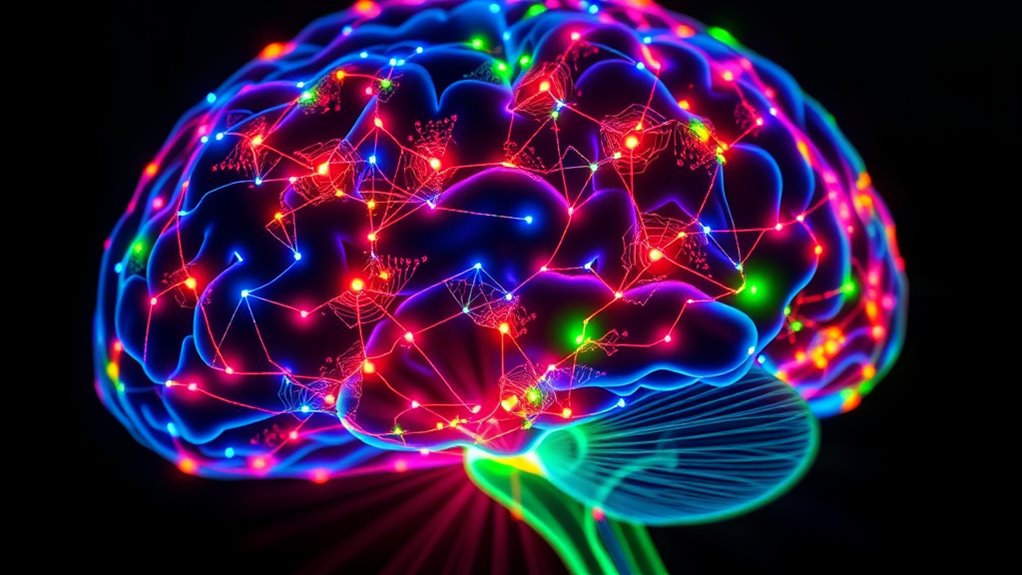
You should consider how the default mode network (DMN) is often overactive or dysregulated in BPD, affecting self-referential thinking and emotional processing. Disruptions in prefrontal–amygdala connectivity also play a key role, leading to heightened emotional reactivity and impulse control issues. Understanding these network alterations can help identify biomarkers and guide targeted interventions for BPD.
Default Mode Network Dysregulation
Have you ever wondered how alterations in brain networks contribute to the emotional and interpersonal challenges seen in BPD? The default mode network (DMN), active during rest and self-referential thoughts, often shows dysregulation in BPD. You may notice increased connectivity within the DMN, leading to excessive rumination, self-criticism, and difficulty shifting focus away from distressing thoughts. This hyperconnectivity can intensify emotional instability and impair your ability to engage in present-moment awareness. Conversely, reduced connectivity between the DMN and task-positive networks hampers your capacity to regulate emotions and switch between introspection and external attention. These disruptions contribute to feelings of emptiness, unstable identity, and interpersonal difficulties. Understanding DMN dysregulation helps clarify how internal thought patterns influence your emotional and relational experiences.
Prefrontal-Amygdala Disruptions
Alterations in brain connectivity play a significant role in the emotional and behavioral challenges seen in BPD, particularly within the prefrontal-amygdala circuitry. You may notice that the prefrontal cortex, responsible for regulation and control, shows reduced activity or weakened connections to the amygdala, which processes emotional responses. This disconnect hampers your ability to regulate intense feelings, leading to impulsivity and emotional instability. Functional studies reveal hyperactivity in the amygdala alongside hypoactivity in prefrontal regions, creating a cycle of heightened emotional reactivity and poor regulation. These disruptions impair your capacity to assess and respond adaptively to emotional stimuli. As a result, your brain struggles to balance emotion generation and regulation, contributing to the core symptoms of BPD.
Neurochemical and Genetic Underpinnings of BPD

Neurochemical and genetic factors play a crucial role in the development and manifestation of Borderline Personality Disorder (BPD). You’re likely to have genetic vulnerabilities, such as variations in oxytocin receptor genes, influencing social bonding and emotional regulation. Serotonin abnormalities are common, affecting impulsivity, aggression, and mood swings. Dysregulation in endogenous opioid and oxytocin systems can impair attachment and interpersonal functioning. These neurochemical shifts are shaped by genetics and environmental factors, like trauma, which can modify gene expression through epigenetic mechanisms. Understanding these underpinnings helps explain BPD’s complex presentation.
| Neurochemical Factors | Genetic Factors |
|---|---|
| Serotonin dysregulation | Oxytocin receptor gene variations |
| Opioid system imbalance | Epigenetic modifications |
| Oxytocin system issues | Heritable traits |
Emotional and Cognitive Circuit Dysfunctions
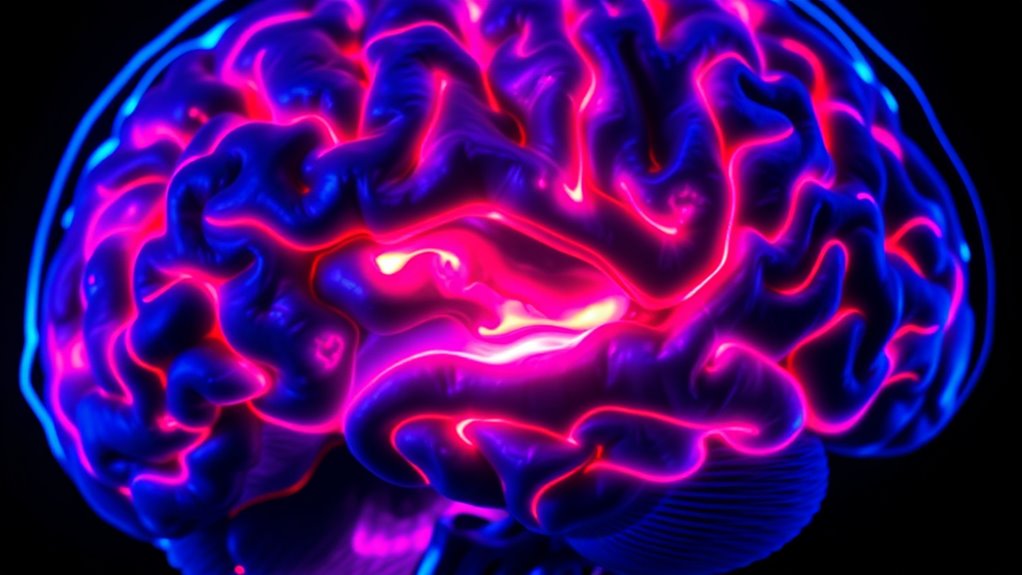
In BPD, emotional and cognitive circuit dysfunctions play a central role in shaping the disorder’s core symptoms. Your amygdala tends to be hyperactive, making you react intensely to stress and emotional triggers. Meanwhile, your prefrontal regions, especially the anterior cingulate cortex and dorsolateral prefrontal cortex, often show diminished activity, impairing your ability to regulate emotions and make balanced decisions. This imbalance leads to emotional instability, impulsivity, and difficulty managing interpersonal conflicts. You might also experience alexithymia, struggling to identify or describe your feelings due to disrupted insula and cingulate cortex functioning. Additionally, hippocampal abnormalities can influence your memory and impulsive behaviors, further fueling emotional dysregulation. These circuit dysfunctions intertwine, creating the characteristic emotional chaos and impulsive reactions seen in BPD.
Impact of Psychotherapy on Brain Function
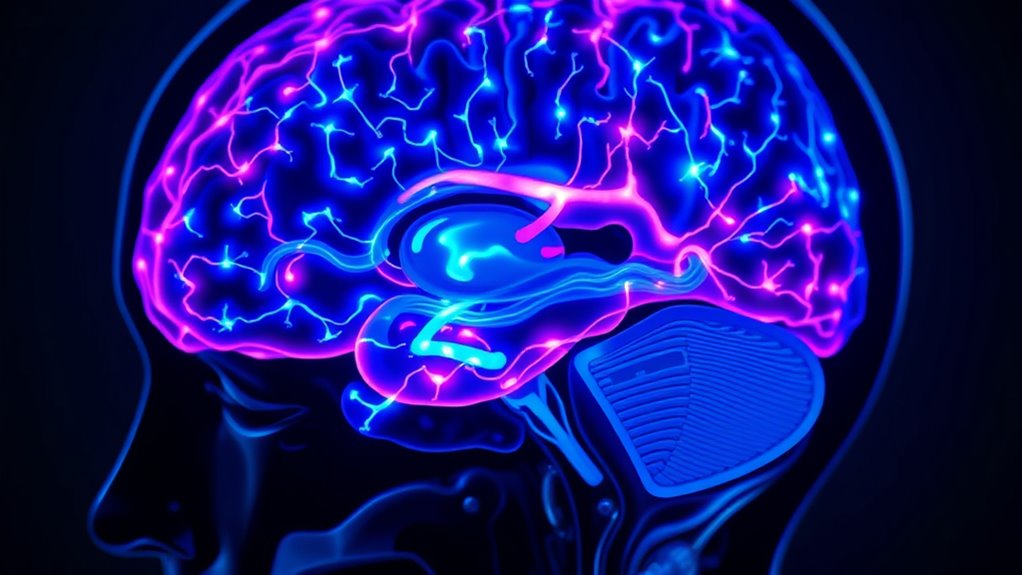
Psychotherapy can produce measurable changes in brain function, reflecting its ability to modify neural circuits involved in emotional regulation and impulse control. When you engage in treatments like Dialectical Behavior Therapy (DBT) or psychodynamic therapy, you help rewire your brain’s response patterns. You may notice reduced activity in the amygdala and anterior cingulate cortex, indicating better emotional regulation. At the same time, increased activation in regions responsible for inhibitory control, like the inferior frontal gyrus, supports healthier decision-making. These changes demonstrate your brain’s plasticity and capacity for recovery.
- Visualize calmer emotional responses as your amygdala quiets down.
- Picture improved impulse control with stronger frontal lobe engagement.
- Imagine reduced emotional reactivity during stressful moments.
- Envision a balanced, resilient brain adapting to new patterns.
Environmental and Developmental Influences on Brain Structure
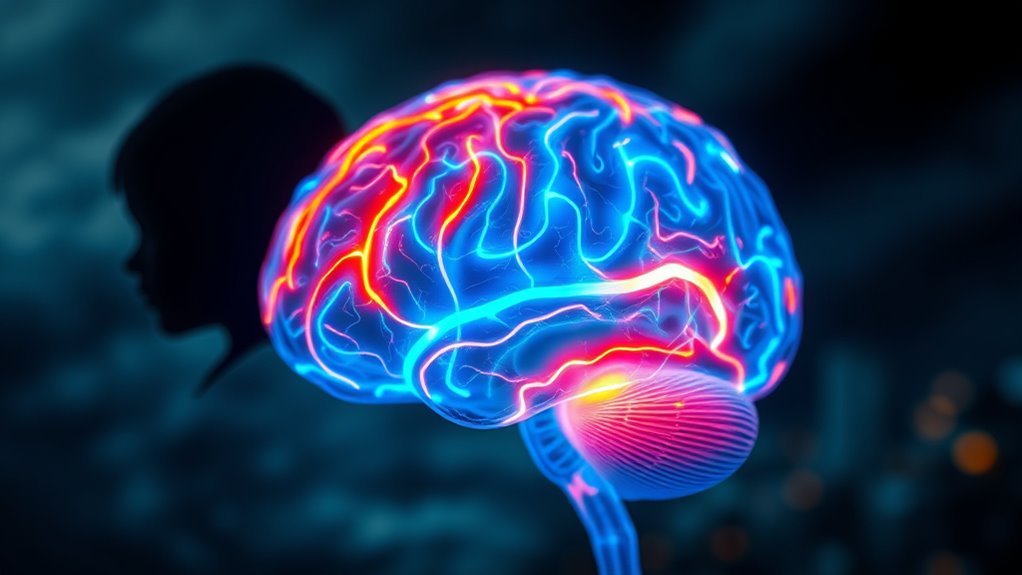
Environmental and developmental factors play a crucial role in shaping brain structure and function in individuals with BPD. If you’ve experienced early childhood trauma, such as emotional, physical, or sexual abuse, it can alter brain development, especially in regions involved in mood regulation and impulse control. Growing up in stressful or neglectful environments impacts brain areas like the amygdala, hippocampus, and prefrontal cortex, leading to structural and functional abnormalities. Family history of psychiatric issues or substance misuse further increases vulnerability by interacting with genetic predispositions. These environmental influences can disrupt typical neural development during sensitive periods, contributing to the emotional instability and interpersonal difficulties characteristic of BPD. Essentially, your early environment can leave lasting imprints on your brain’s architecture, shaping your emotional and behavioral responses.
Toward Biomarkers and Targeted Interventions
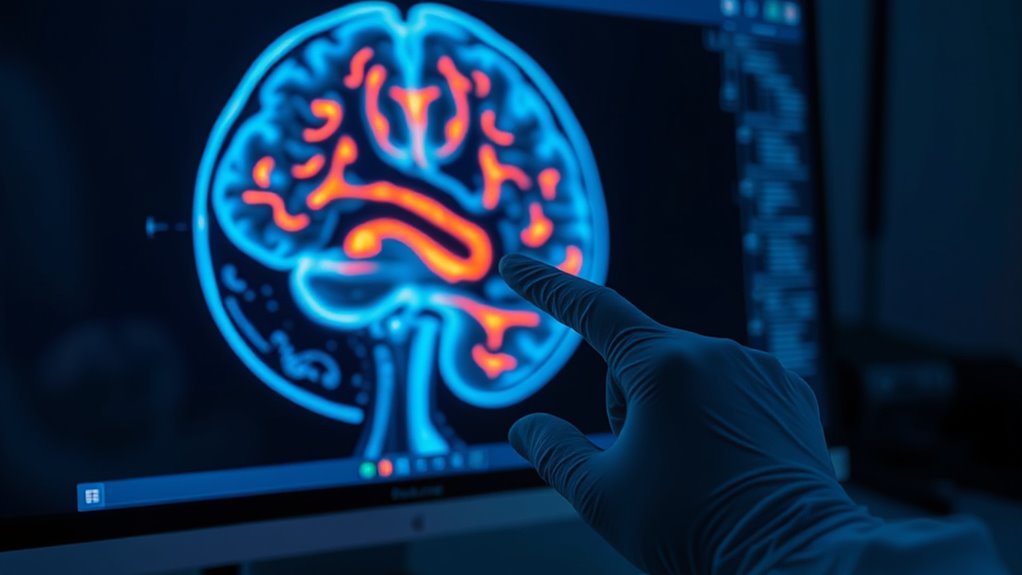
Advances in neuroimaging and neurobiological research are paving the way toward identifying reliable biomarkers for BPD. These markers can improve diagnosis, track treatment progress, and develop targeted therapies. You might imagine:
- Brain scans highlighting reduced gray matter in key emotional regulation areas.
- Functional connectivity patterns distinguishing BPD from other disorders with high accuracy.
- Neurochemical profiles revealing serotonin and oxytocin system abnormalities linked to symptoms.
- Changes in brain activity following therapies like DBT, indicating neuroplasticity.
Frequently Asked Questions
How Do Neurobiological Differences in BPD Develop Over a Person’s Lifespan?
You develop neurobiological differences in BPD through a combination of genetics, early life trauma, and environmental influences. During childhood, stress and neglect impact brain regions like the amygdala, hippocampus, and prefrontal cortex, disrupting emotional regulation and impulse control. These alterations can persist or worsen over time, especially if adverse experiences continue. Psychotherapy and positive experiences can promote brain plasticity, helping to mitigate some of these changes.
Can Brain Imaging Predict Treatment Response in BPD Patients?
Yes, brain imaging can predict treatment response in BPD patients. You might find that functional MRI or connectivity patterns help identify who’ll benefit most from therapies like DBT or psychodynamic treatment. These imaging techniques reveal neural markers associated with symptom improvement, allowing clinicians to tailor interventions. By monitoring changes in amygdala activity or prefrontal regulation, you can track progress and adjust treatment plans for better outcomes.
What Role Do Hormones Like Cortisol Play in BPD Neurobiology?
You might think hormones like cortisol just affect stress, but they deeply influence BPD neurobiology. Elevated cortisol levels, often caused by chronic stress or trauma, can impair brain regions like the hippocampus and prefrontal cortex, worsening emotional dysregulation. This hormonal imbalance amplifies symptoms like impulsivity and mood swings, reinforcing neural circuitry changes. Recognizing cortisol’s role helps you understand how stress management could support brain health and symptom reduction in BPD.
Are There Gender Differences in Brain Alterations Associated With BPD?
Yes, gender differences exist in brain alterations linked to BPD. You might notice women with BPD show greater reductions in limbic regions like the amygdala and hippocampus, affecting emotional processing. Men may exhibit more prefrontal cortex abnormalities, impacting impulse control. These differences influence how symptoms manifest and respond to treatment, highlighting the importance of considering gender-specific neurobiological factors when addressing BPD in clinical settings.
How Do Comorbid Disorders Influence Neurobiological Findings in BPD?
Comorbid disorders act like tangled roots beneath a tree, complicating neurobiological findings in BPD. They can amplify or obscure brain alterations, making it harder to pinpoint specific changes. For example, PTSD might heighten amygdala hyperactivity, while substance use could alter prefrontal connectivity. This overlap can muddy the waters of research, emphasizing the need to contemplate comorbidities to understand the true neurobiological landscape of BPD.
Conclusion
Your understanding of BPD’s brain secrets unfastens a world of hope. By grasping these neural mysteries, you can transform treatment, revolutionize recovery, and shatter the limits of what’s possible. With every breakthrough, you get closer to precision therapies that target the root causes, not just the symptoms. So keep pushing forward—because in this brain science revolution, your journey could change everything, making the impossible suddenly, undeniably, achievable.