

With BPD, small changes can feel huge because your emotional responses are highly sensitive and interconnected. Even minor tweaks, like shifting routines or reacting differently, can trigger intense feelings or reactions. These changes often influence your relationship dynamics and mood rapidly. It might seem overwhelming, but understanding this link helps you recognize why tiny steps can have a big impact. Stay with it, and you’ll discover ways to manage these powerful shifts more effectively.
Key Takeaways
- Small adjustments can lead to significant emotional shifts due to BPD’s sensitivity to triggers.
- Tiny habits build resilience, making even minor changes feel impactful over time.
- Incremental changes help manage intense emotions, leading to noticeable improvements in mood.
- Small, consistent steps foster a sense of control and reduce overwhelm in BPD recovery.
- Recognizing behavioral patterns allows targeted, manageable modifications with large emotional effects.

Have you ever wondered how small changes can make a big difference when managing Borderline Personality Disorder (BPD)? It might seem surprising, but tiny adjustments in your daily routine or mindset can significantly influence your emotional regulation and relationship dynamics. When you’re dealing with BPD, even minor shifts can help you navigate intense feelings and reduce the chaos that often accompanies the disorder.
Focusing on emotional regulation is key. You may notice that just taking a few deep breaths during moments of distress can help you regain control. Small practices like grounding techniques or pausing before reacting can prevent emotions from spiraling out of hand. Over time, these little habits build resilience, making it easier to manage mood swings and impulsivity. When you consistently implement small changes—like journaling your feelings or practicing mindfulness—you create a foundation for better emotional stability. These tweaks may seem insignificant at first, but they gradually reshape how you respond to triggers, leading to a calmer, more balanced emotional state.
Small habits like deep breathing and mindfulness foster emotional resilience and balance over time.
In your relationships, tiny adjustments can also have a profound impact. For example, communicating your feelings more clearly or setting gentle boundaries can transform the way others perceive and respond to you. When you make an effort to listen actively or validate your partner’s feelings, you foster healthier relationship dynamics. Even small acts of kindness, like sending a supportive message or offering a genuine apology, can strengthen trust and reduce misunderstandings. Recognizing the importance of emotional regulation can further reinforce your efforts to manage reactions effectively. Additionally, understanding the impact of behavioral patterns can help you identify recurring issues and develop targeted strategies for change. Implementing credit card insights and financial literacy can be a helpful way to strengthen your sense of stability and control in other areas of life. By consistently making intentional changes, you start breaking the cycle of intense reactions and misunderstandings that often characterize BPD. These small steps help build a sense of safety and predictability, both for you and for those around you.
It’s important to recognize that change doesn’t have to be monumental to be effective. In fact, the most sustainable progress often comes from simple, manageable adjustments. As you see the positive effects of these small changes, you’ll feel more motivated to continue, creating a cycle of growth. Remember, managing BPD isn’t about overnight transformation but about gradually incorporating tiny habits that, over time, lead to significant improvements. Incorporating psychological strategies rooted in an understanding of BPD can further support your journey of recovery. Being aware of piercing care and hygiene practices can also remind you of the importance of maintaining routines that promote well-being and reduce stress during healing or emotional upheavals.

52 Mindfulness Cards – Simple Practices for Stress & Anxiety Relief, Emotional Regulation, and Mindful Living – Daily Self Care Exercises & Inspirational Affirmations for Calm, Relaxation, & Grounding
[Cultivate Presence & Calm] – Practice 52 unique mindfulness exercises to fully ground yourself and engage with the…
As an affiliate, we earn on qualifying purchases.
As an affiliate, we earn on qualifying purchases.
Frequently Asked Questions
Can Small Changes Improve Long-Term BPD Management?
Yes, small changes can profoundly improve long-term BPD management. By focusing on improving emotional regulation and adopting effective coping strategies, you gradually build resilience. Each tiny step, like practicing mindfulness or recognizing triggers, adds up over time. These small adjustments help you gain better control over intense emotions, reduce impulsivity, and foster healthier relationships, making managing BPD more achievable and less overwhelming in the long run.
Are Small Changes More Effective Than Major Therapy Adjustments?
You might find that small changes often outshine major therapy adjustments because they’re easier to integrate into daily routines. When you focus on tiny, consistent steps using effective therapy techniques, the cumulative impact is powerful. Sometimes, a small tweak—like practicing mindfulness daily—can lead to more sustainable progress than large, intimidating shifts. These manageable changes help you stay motivated and build resilience over time, making therapy more effective and less overwhelming.
How Quickly Can Small Changes Impact BPD Symptoms?
Small changes can impact BPD symptoms within days to weeks, especially when you focus on improving emotional regulation and coping strategies. By consistently practicing these adjustments, you may notice reduced emotional swings and better responses to stress. While progress varies individually, even minor shifts in your daily routine can lead to significant improvements over time, making managing BPD more achievable and less overwhelming.
Do Small Changes Work for Everyone With BPD?
Small changes can work for many people with BPD, but not everyone. You need personalized strategies that suit your specific needs and triggers. Building emotional resilience helps you better manage ups and downs, making small adjustments more effective over time. While some may see quick improvements, others might need longer to notice changes. Consistency, patience, and tailored support are key to seeing positive results with small changes.
What Are Examples of Small Changes That Help With BPD?
Did you know that even a five-minute mindfulness practice can profoundly improve emotional regulation? Small changes like deep breathing exercises, journaling, or taking short breaks during emotional upheavals can help manage BPD symptoms. These tiny shifts foster awareness and calmness, making a noticeable difference over time. Incorporate mindfulness practices daily, and you’ll find yourself better equipped to handle intense emotions, leading to greater stability and peace.
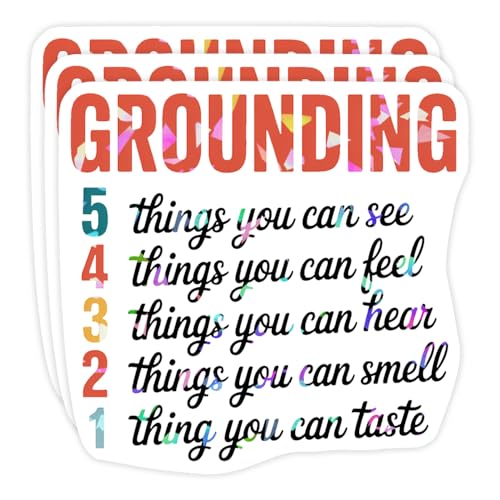
(3 Pcs) Hologaraphic 5-4-3-2-1 Grounding Technique Sticker – Anxiety Relief Mental Health Tool for Autism, Panic Attacks, Therapy & Mindfulness Reminder 3 Inches
GROUNDING TECHNIQUE: Features the popular 5-4-3-2-1 sensory awareness method to help manage anxiety, panic attacks, and promote mindfulness
As an affiliate, we earn on qualifying purchases.
As an affiliate, we earn on qualifying purchases.
Conclusion
Just like a tiny pebble can cause a ripple across a pond, small changes can feel overwhelming with BPD. You might notice that a minor comment from someone feels like a tidal wave, crashing over your emotions. Remember, these waves are part of your journey, not the end. With patience and support, those ripples can settle into calmer waters. Every small step forward is a victory, turning those overwhelming waves into manageable tides.

Calm Collective 52 Anti-Anxiety Journal Cards – Cognitive Behavioral Therapy (CBT) Journaling Prompts for Stress Relief, Self Care, Emotional Management, Mindfulness, & Mental Health
Therapy Coping CBT Cards: This deck features 52 anxiety journal cards using Cognitive Behavioral Therapy (CBT) researched guided…
As an affiliate, we earn on qualifying purchases.
As an affiliate, we earn on qualifying purchases.

Deep Breathing Exercises For Anxiety: Discover How To Reduce Anxiety With These 6 Simple Breathing Exercises
As an affiliate, we earn on qualifying purchases.
As an affiliate, we earn on qualifying purchases.