Balancing your own needs while supporting a partner with BPD means setting clear boundaries, prioritizing self-care, and recognizing your emotional limits. Maintain open, compassionate communication and validate your partner’s feelings without sacrificing your well-being. It’s important to build a support network for yourself and encourage your partner to seek professional help. If you keep focusing on these strategies, you’ll gain more insights into maintaining your resilience and nurturing your relationship health.
Key Takeaways
- Establish clear personal boundaries to protect your emotional well-being and prevent burnout.
- Prioritize self-care activities and hobbies to maintain your mental health.
- Seek support from trusted friends, family, or support groups for guidance and validation.
- Communicate openly and compassionately, ensuring your needs are acknowledged without blame.
- Consider professional help for both partners to manage emotional challenges effectively.

Mental Health Journal, Guided Journal for Mental Health, 90-Day Self-Care Planner for Anxiety Relief, Mood Tracker to Improve Mindfulness & Habit Building, with Monthly Summary.
MENTAL HEALTH JOURNAL:This Mental Health Journal has a guided self-care plan that lasts for 90 days, providing a…
As an affiliate, we earn on qualifying purchases.
As an affiliate, we earn on qualifying purchases.
Recognizing Your Emotional Limits

How do you know when you’ve reached your emotional limit in a relationship with someone who has BPD? You might notice you’re feeling drained, overwhelmed, or constantly on edge. Small conflicts escalate quickly, and you begin to feel emotionally exhausted from trying to soothe or manage their intense reactions. You could find yourself sacrificing your own needs or neglecting self-care. If you start feeling anxious, irritable, or disconnected, these are signs you’re nearing or at your limit. Recognizing these signals early helps prevent burnout. Remember, it’s okay to prioritize your well-being. Setting boundaries and acknowledging when you need space isn’t selfish; it’s essential for maintaining your emotional health while supporting your partner.

The Set Boundaries Workbook: Practical Exercises for Understanding Your Needs and Setting Healthy Limits
As an affiliate, we earn on qualifying purchases.
As an affiliate, we earn on qualifying purchases.
Maintaining Open and Compassionate Communication

To maintain open and compassionate communication, you need to practice active listening and really hear what your partner is saying. Using empathetic language helps them feel understood and supported, even during difficult moments. Managing your emotional triggers allows you to stay calm and respond thoughtfully, fostering a healthier dialogue.
Practice Active Listening
Practicing active listening is essential for maintaining open and compassionate communication, especially when your partner has BPD. It shows you genuinely care and helps prevent misunderstandings. Focus fully on what they’re saying, avoid interrupting, and reflect their feelings to demonstrate understanding. This encourages your partner to feel heard and validated, reducing emotional escalation. Remember, patience is key—sometimes they need time to process their emotions. Keep your tone calm and avoid judgment or defensiveness.
- Maintain eye contact to show engagement
- Paraphrase their words to confirm understanding
- Notice non-verbal cues like body language or tone
- Resist the urge to offer solutions immediately
- Validate their feelings without dismissing them
Use Empathetic Language
Using empathetic language builds on active listening by creating a safe space where your partner feels truly understood. When you choose your words carefully, you validate their feelings and reduce defensiveness. Use gentle tone, avoid blame, and acknowledge their emotions without judgment. This helps prevent escalation during conflicts and fosters trust. To deepen your understanding, consider this table:
| Empathetic Language Strategies | Benefits |
|---|---|
| Reflect feelings | Shows you understand their emotional state |
| Validate experiences | Reinforces their feelings are real and important |
| Use non-judgmental words | Maintains safety and openness |
| Avoid dismissive language | Prevents alienation and defensiveness |
Manage Emotional Triggers
Managing emotional triggers is essential for maintaining open and compassionate communication with your partner who has BPD. When you recognize your triggers, you can respond thoughtfully instead of reacting impulsively. This awareness helps prevent escalation and fosters trust. To stay grounded, consider techniques like deep breathing or taking a short break when emotions run high. Setting boundaries around what you can handle emotionally is also key. Communicating calmly and avoiding blame encourages your partner to do the same. Remember, your reactions influence the relationship’s tone. By managing your triggers, you create a space for honesty and vulnerability.
- Recognize your personal triggers early
- Use calming techniques to stay centered
- Take breaks when needed
- Communicate with empathy and clarity
- Reinforce boundaries with kindness

Stop Walking on Eggshells for Partners: What to Do When Your Partner Has Borderline or Narcissistic Personality Disorder
As an affiliate, we earn on qualifying purchases.
As an affiliate, we earn on qualifying purchases.
Setting Healthy Boundaries

Setting healthy boundaries is essential when you’re in a relationship with someone who has BPD, as it helps protect your emotional well-being and creates a safer space for both partners. Clearly define what behaviors you’re willing to accept and communicate these limits calmly and consistently. Boundaries can include respecting personal space, maintaining emotional availability, and setting limits on agitation or impulsive actions. Remember, boundaries aren’t about punishing your partner—they’re about safeguarding your mental health. Enforce them firmly but compassionately, and don’t be afraid to revisit and adjust them as needed. Establishing boundaries helps prevent resentment and reduces codependency, allowing you to stay grounded while supporting your partner’s growth. Prioritizing your needs creates a healthier, more balanced relationship.
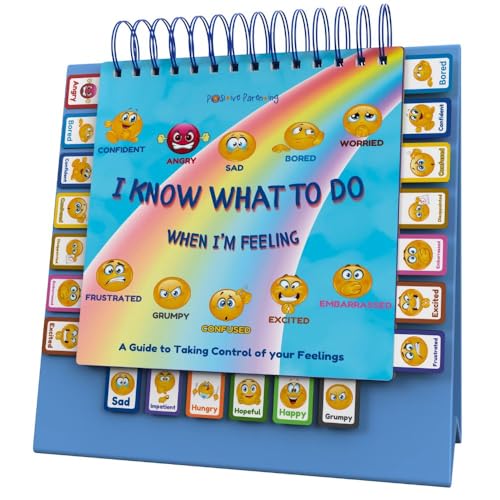
Thought-Spot I Know What to Do Flipbook | Emotions Wheel & Feelings Chart | Emotional Regulation Tool for Home, Class, or Calm Down Corner | Helps Kids Learn Coping Skills | Autism Must-Have
Understand & Express Everyday Feelings: Visually guides children ages 3–5 to recognize and name their emotions. This flipbook…
As an affiliate, we earn on qualifying purchases.
As an affiliate, we earn on qualifying purchases.
Prioritizing Self-Care Strategies

To maintain your well-being, it’s important to prioritize self-care strategies that support your emotional health. Setting personal boundaries helps protect your energy, while practicing mindfulness keeps you grounded amid relationship challenges. Additionally, seeking support networks provides a safe space to share experiences and gain valuable perspectives.
Set Personal Boundaries
Prioritizing self-care is essential when you’re in a relationship with someone who has BPD, as it helps protect your emotional well-being amidst the ups and downs. Setting personal boundaries allows you to maintain your sense of safety and stability. Clearly define what behaviors you will and won’t accept, and communicate these limits with compassion. Remember, boundaries aren’t about punishing your partner but preserving your mental health. Consistently enforcing your limits prevents resentment and burnout.
- Protect your energy by avoiding overcommitment
- Recognize your emotional limits and respect them
- Say no without guilt when needed
- Keep your hobbies and social connections alive
- Seek support when boundaries feel challenging to uphold
Practice Mindfulness Techniques
Have you ever felt overwhelmed by the emotional turbulence that comes with supporting a partner with BPD? Practicing mindfulness techniques can help you stay grounded and protect your well-being. Take a few moments each day to focus on your breath, observing each inhale and exhale without judgment. This helps reduce stress and increases your emotional resilience. Engage in grounding exercises, like noticing five things you see, four you hear, three you feel, two you smell, and one you taste. These practices bring you back to the present moment, preventing you from becoming overwhelmed by your partner’s intense emotions. Consistent mindfulness can foster patience, clarity, and calmness, empowering you to maintain your boundaries and prioritize your needs without feeling guilty.
Seek Support Networks
Supporting a partner with BPD can be emotionally demanding, and maintaining your well-being is essential. Building support networks helps you stay grounded and prevents burnout. Connecting with others who understand your experience offers validation, advice, and emotional relief. Consider joining local or online groups dedicated to BPD support, therapy groups, or peer forums. These communities can provide shared strategies and a safe space to express your feelings. Remember, seeking support isn’t a sign of weakness but a crucial self-care step. Maintaining your mental health allows you to be more present and compassionate in your relationship.
- Find communities that share your experiences
- Share your feelings without judgment
- Learn new coping strategies
- Receive validation and reassurance
- Strengthen your resilience for ongoing challenges
Understanding the Impact of BPD Symptoms on You

Living with a partner who has BPD can profoundly affect your emotional well-being and daily life. You might find yourself feeling overwhelmed by their intense mood swings, which can shift suddenly from happiness to anger or despair. Their fear of abandonment may lead to clinginess or emotional outbursts, leaving you exhausted and unsure of how to respond. You could experience increased stress, anxiety, or feelings of helplessness as you navigate unpredictable reactions. Self-doubt may creep in, making you question your actions or worth. The constant emotional turbulence can strain your own mental health, causing you to neglect your needs or feel isolated. Recognizing how BPD symptoms impact your emotional state is a *vital* step toward maintaining your well-being.
Building Support Networks for Yourself

Building a strong support network is essential when steering through the challenges of a relationship with someone who has BPD. Having dependable people around provides emotional safety, practical advice, and reassurance. It also helps you maintain perspective and avoid isolation. To build your network, consider reaching out to friends, family, or support groups who understand your situation. Seek professional help, like therapists or counselors, who specialize in BPD. Remember, you don’t have to handle everything alone. Your support system should provide validation, encouragement, and guidance. Cultivate relationships with those who respect your boundaries and prioritize your well-being. Regularly check in with your network, and be honest about your needs and feelings. A strong support system keeps you grounded and resilient.
Managing Conflict and Emotional Dysregulation

Managing conflict and emotional dysregulation in a relationship with someone who has BPD requires a calm, proactive approach. You can help de-escalate situations by staying grounded and setting boundaries. Recognize triggers early and respond with empathy rather than frustration. Use clear communication to validate feelings without taking blame. Here’s a simple guide:
| Recognize Triggers | Respond Calmly | Promote Stability |
|---|---|---|
| Mood swings | Use soothing words | Reinforce trust |
| Reassurance needs | Set boundaries | Practice patience |
| Impulsive acts | Offer support | Encourage self-regulation |
Fostering understanding and maintaining consistency can reduce emotional volatility, helping both of you manage conflicts more effectively.
Encouraging Professional Help for Your Partner

Encouraging your partner to seek professional help can make a significant difference in their ability to manage BPD symptoms and improve your relationship. It’s essential to approach this with patience and empathy, emphasizing support rather than pressure. Remind them that therapy can provide tools to handle intense emotions, reduce impulsivity, and build healthier patterns. Offer to help find a qualified mental health professional or attend appointments together if they’re comfortable. Remember, treatment is a process, and progress takes time.
Encourage your partner’s growth with patience and empathy, supporting their journey toward better emotional health and stronger your relationship.
- Recognize that professional help provides tailored strategies for managing BPD.
- Understand that therapy can improve emotional regulation and reduce crises.
- Support your partner’s growth without forcing change.
- Accept that seeking help is a sign of strength, not weakness.
- Prioritize their comfort and readiness in the process.
Cultivating Personal Growth and Resilience

Even when your partner has BPD, focusing on your own growth and resilience is essential for maintaining a healthy relationship. Prioritize self-care and set boundaries that protect your emotional well-being. Develop coping strategies like mindfulness, journaling, or engaging in hobbies that boost your confidence and stability. Seek support from friends, support groups, or therapists who can offer perspective and guidance. Celebrate your progress, recognizing that your resilience strengthens both you and the relationship. Embrace opportunities for learning and personal development, whether through reading, workshops, or new experiences. Remember, nurturing your growth isn’t selfish; it’s crucial. The stronger you become, the better equipped you’ll be to navigate challenges and foster a balanced, fulfilling connection.
Frequently Asked Questions
How Can I Recognize Signs of Emotional Burnout in Myself?
You can recognize signs of emotional burnout in yourself when you start feeling exhausted, overwhelmed, or irritable more often than usual. You may notice a lack of motivation, difficulty concentrating, or feeling emotionally numb. If you’re neglecting your self-care, withdrawing from social activities, or feeling emotionally drained after interactions, these are clear signals. Trust your instincts, and prioritize taking breaks and seeking support to recharge.
What Are Effective Ways to Communicate My Needs Without Triggering My Partner?
Ever wondered how to express your needs without triggering your partner? You should use calm, clear language, emphasizing your feelings without blame. Choose a neutral time when both of you are relaxed, and practice active listening. Frame your needs positively, focusing on how they benefit your relationship. Remember, gentle reassurance and empathy help prevent misunderstandings and create a safe space for honest communication.
How Do I Know When to Seek Professional Help for Myself?
You should seek professional help for yourself when you notice persistent feelings of overwhelm, anxiety, or emotional exhaustion that interfere with your daily life. If you find it hard to set boundaries, cope with your partner’s mood swings, or maintain your well-being, reaching out to a therapist can provide support and guidance. Prioritize your mental health; professional help can help you navigate your relationship and strengthen your resilience.
What Are Common Mistakes to Avoid When Setting Boundaries With a BPD Partner?
Like a ship steering stormy seas, you need to avoid common boundary-setting mistakes with a BPD partner. Don’t be overly reactive to emotional outbursts, and avoid making boundaries seem like punishments. Be consistent and clear, rather than vague or flexible, and don’t neglect your own needs. Remember, boundaries aren’t walls—they’re healthy guides. Respectfully communicate your limits, stay firm, and seek support if you’re unsure.
How Can I Maintain My Identity Outside the Relationship?
To maintain your identity outside the relationship, prioritize your interests, hobbies, and friendships. Set aside time for self-care and personal growth without feeling guilty. Clearly communicate your boundaries and needs to your partner, ensuring they respect your independence. Remember, it’s healthy to have a life beyond your relationship. Focus on your goals and passions, and don’t lose sight of who you are outside of the partnership.
Conclusion
Remember, balancing your needs while supporting your partner with BPD is like walking a tightrope over a volcano—you need focus, care, and self-compassion. Prioritize your well-being without losing sight of your own happiness, and don’t hesitate to seek support. By setting boundaries and practicing self-care, you’ll build resilience that’s as strong as steel. Keep nurturing yourself—you’re the hero of your story, and your well-being is the most important thing you can protect.