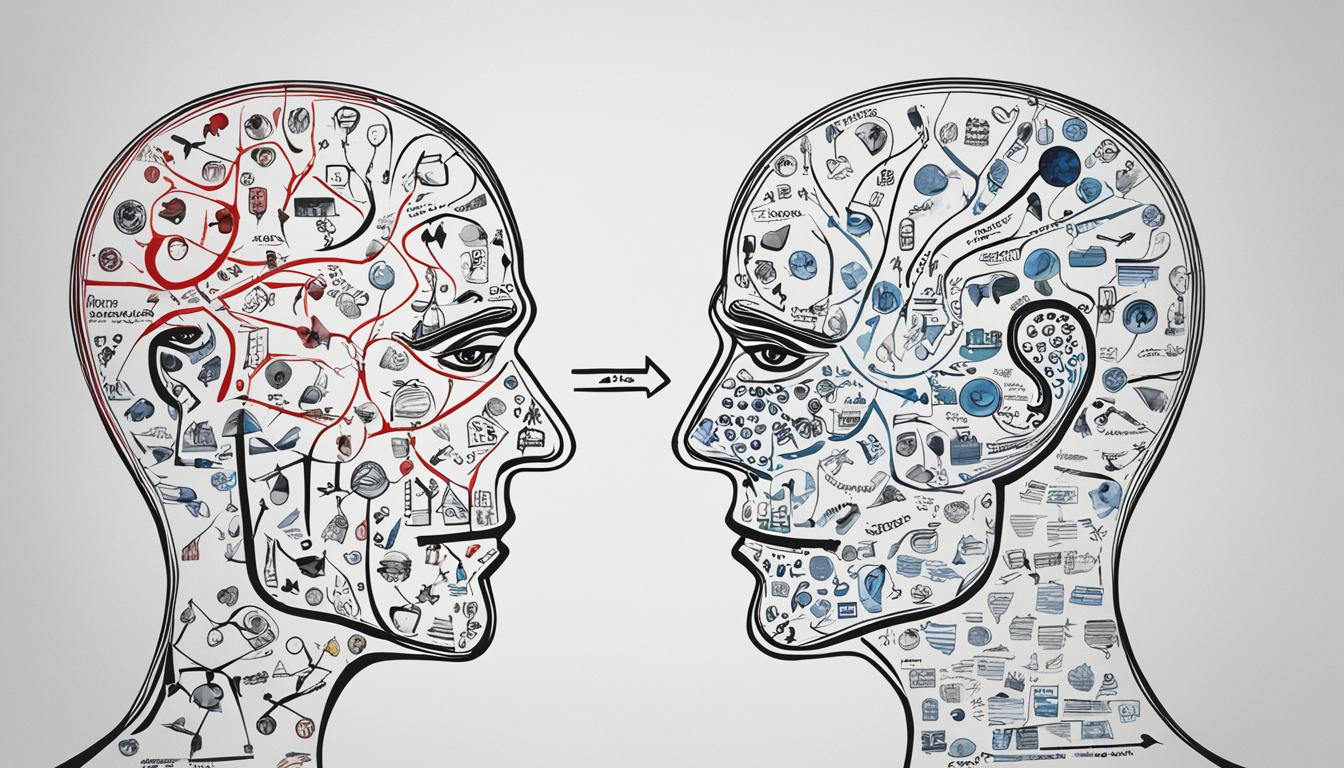

Narcissistic abuse involves manipulation, gaslighting, and emotional control aimed at maintaining power and boosting the abuser’s ego, often with strategic tactics. In contrast, borderline behavior is marked by intense emotional swings, fear of abandonment, and impulsive reactions rooted in vulnerability. While both can cause relationship chaos and confusion, their motivations differ: narcissists seek control for self-interest, whereas borderlines react impulsively to emotional pain. To better understand these complex dynamics, explore further insights below.
Key Takeaways
- Narcissistic abuse involves strategic manipulation and emotional detachment, while borderline behavior is driven by emotional vulnerability and fear of abandonment.
- Narcissists seek control and validation to boost their ego; borderlines react impulsively to prevent rejection or loneliness.
- Narcissistic abusers rarely take responsibility, using tactics like gaslighting; borderlines display intense reactions rooted in emotional instability.
- Both can cause relationship confusion, but narcissists maintain dominance for self-interest; borderlines seek reassurance and connection.
- Diagnosing is complex due to overlapping symptoms, but understanding underlying motives helps differentiate narcissistic manipulation from borderline impulsivity.

The Gaslighting Recovery Workbook: Healing From Emotional Abuse
As an affiliate, we earn on qualifying purchases.
As an affiliate, we earn on qualifying purchases.
Defining Narcissistic Abuse and Its Characteristics

Narcissistic abuse involves a pattern of manipulation and control aimed at dominating others emotionally and psychologically. You might notice that the abuser seeks to undermine your confidence, often making you doubt yourself or feel guilty. They use tactics like gaslighting, blame-shifting, and silent treatment to maintain power. Narcissists prioritize their needs and lack empathy for others, viewing relationships as transactions for their gain. Their grandiosity often leads them to see themselves as superior, justifying harmful behaviors. They may appear detached or indifferent when confronted, and they rarely take responsibility for their actions. The goal is to keep you emotionally dependent, fostering confusion and low self-esteem. Recognizing these characteristics helps you understand the pattern of ongoing emotional manipulation.

Emotional Abuse Recovery Journal: Beautiful Journal and Workbook To Support Your Emotional Abuse Recovery Journey. Abuse Recovery Worksheets, CBT … Self Care. With Quotes And Gratitude Prompts.
As an affiliate, we earn on qualifying purchases.
As an affiliate, we earn on qualifying purchases.
Exploring Borderline Behavior and Emotional Patterns

Borderline behavior is marked by intense emotional fluctuations and rapid mood shifts that can leave you feeling overwhelmed and unsure of what to expect. You might experience sudden anger, sadness, or anxiety, often without clear triggers. These emotional swings can disrupt your sense of stability and relationships. People with borderline traits tend to fear abandonment deeply, leading to impulsive actions or emotional outbursts. They often have unstable relationships, swinging between idealization and devaluation. The table below highlights key emotional patterns:
| Emotional Pattern | Behavior Example |
|---|---|
| Intense Mood Swings | Rapid shifts from happiness to anger |
| Fear of Abandonment | Clinging or frantic efforts to avoid rejection |
| Impulsivity | Risky behaviors or self-harm |
Understanding these patterns can help you better navigate or support someone with borderline tendencies.

Borderline Personality Disorder Activities: 111 Proven Mindful Activities Inside: A Compassionate Workbook for Borderline Personality Disorder … Well-being and Identifying Key Symptoms.
As an affiliate, we earn on qualifying purchases.
As an affiliate, we earn on qualifying purchases.
Key Similarities Between Narcissistic and Borderline Traits

You’ll notice that both narcissistic and borderline individuals struggle with emotional instability, often reacting intensely to minor triggers. Impulsive behaviors, like risky actions or emotional outbursts, are common in both, making their patterns unpredictable. Understanding these shared traits helps clarify how their relationships can become tumultuous and challenging to navigate.
Emotional Instability Patterns
Both narcissistic and borderline individuals often struggle with emotional instability, which can make their behavior unpredictable and intense. This instability manifests as rapid mood swings, emotional outbursts, and difficulty regulating feelings. You might notice sudden shifts from happiness to anger or despair, often triggered by minor events. Both types experience heightened emotional responses, but their underlying motivations differ. Understanding these patterns helps clarify their behaviors and how they impact relationships.
| Trait | Narcissistic | Borderline |
|---|---|---|
| Mood Swings | Less intense, more controlled | Rapid, intense, and unpredictable |
| Emotional Outbursts | Rare, used manipulatively | Common, driven by fear or pain |
| Regulating Emotions | Suppressed or strategically managed | Difficult, often impulsive |
| Triggers | Ego threats or criticism | Abandonment fears or rejection |
| Stability | Usually superficial or staged | Deeply unstable, chaotic |
Impulsive Behavior Traits
Impulsive behaviors are a hallmark shared by individuals with narcissistic and borderline traits, often leading to unpredictable and sometimes harmful actions. You might notice sudden outbursts, reckless decisions, or risky behaviors without much thought to consequences. Both groups tend to act on intense emotions or desires, which can escalate conflicts or cause harm to themselves and others. Narcissists may seek immediate gratification or validation, while borderlines act impulsively out of fear of abandonment or emotional distress. These impulsive acts often serve to maintain control or alleviate discomfort, but they can backfire, creating chaos in relationships. Recognizing this common trait helps you understand that, despite their differences, both narcissistic and borderline individuals struggle with managing urges that can result in destructive outcomes.

You Can Thrive After Narcissistic Abuse: The #1 System for Recovering from Toxic Relationships
As an affiliate, we earn on qualifying purchases.
As an affiliate, we earn on qualifying purchases.
Distinguishing Features of Abuse Dynamics in Both Conditions

Understanding the abuse dynamics in narcissistic and borderline behaviors reveals distinct patterns that shape how victims experience manipulation and control. Narcissists often use subtle tactics like gaslighting, blame-shifting, and emotional withdrawal to maintain dominance. Borderline individuals, on the other hand, tend to exhibit more intense, impulsive reactions, such as emotional outbursts or clinginess, driven by fear of abandonment. Their abuse may involve stormy, chaotic interactions that leave victims feeling overwhelmed. Recognizing these differences helps you understand their unique methods of exerting power. The table below summarizes key features:
| Feature | Narcissistic Abuse | Borderline Abuse | Commonalities |
|---|---|---|---|
| Manipulation Tactics | Gaslighting, blame-shifting | Emotional outbursts, impulsivity | Emotional dysregulation |
| Control Mechanisms | Detachment, emotional withdrawal | Clinginess, fear of abandonment | Relationship chaos |
| Motivation for Abuse | Personal gain | Fear, emotional distress | Low self-esteem |
| Emotional Expression | Suppressed or manipulated emotions | Intense, unstable emotions | Impulsivity |
| Victim Experience | Feeling abandoned, invalidated | Overwhelmed, anxious | Difficulty trusting |
Impact of Narcissistic and Borderline Behaviors on Victims

Experiencing narcissistic or borderline behaviors can profoundly affect your emotional well-being, often leaving lasting scars. Victims may feel confused, anxious, and drained after interactions, struggling to trust their perceptions. Narcissistic abuse often leads to feelings of abandonment, shame, and low self-esteem because the abuser manipulates your sense of worth and shifts blame. Borderline behaviors, on the other hand, can cause intense emotional upheaval, making you feel overwhelmed by mood swings and fears of rejection. Both types of abuse can create hyper-vigilance, where you constantly watch for signs of trouble, and foster a deep need for support. Over time, these experiences can erode your confidence, making it difficult to establish healthy relationships and trust yourself again.
Challenges in Diagnosing Narcissistic and Borderline Disorders

Diagnosing narcissistic and borderline disorders is challenging because their symptoms often overlap, making it difficult to distinguish between them accurately. Both involve emotional dysregulation, impulsivity, and relationship issues, which can blur diagnostic lines. You might see someone with intense mood swings or difficulty maintaining stable relationships and struggle to determine whether narcissistic traits or borderline behaviors dominate. This confusion can lead to misdiagnosis or delayed treatment. Here’s a quick look at common challenges:
| Challenge | Explanation |
|---|---|
| Symptom Overlap | Shared traits make differentiation complex |
| Co-occurrence | Both disorders often appear together, complicating diagnosis |
| Context Sensitivity | Symptoms may vary based on environment and trauma |
Differentiating Motivations Behind Abusive Actions

You’ll notice that narcissists often manipulate others to gain personal advantage, using abuse as a tool for control. In contrast, borderline individuals tend to react emotionally, driven by fear or anxiety that fuels their behavior. Recognizing these underlying motivations helps you understand why each type may act abusively in different ways.
Narcissist’s Personal Gain
Narcissists typically engage in abusive behaviors driven by a desire for personal gain, rather than out of emotional distress or fear. They manipulate others to boost their own ego, maintain control, or enhance their status. Their actions are strategic, aimed at preserving their grandiose self-image and ensuring their needs are prioritized. Unlike individuals driven by emotional pain, narcissists see relationships as opportunities for validation or power. They often exploit vulnerabilities, using blame-shifting and emotional manipulation to get what they want. Their behavior isn’t about fixing emotional wounds but about reinforcing their sense of superiority. The primary motivation behind their abuse is self-interest—gaining admiration, avoiding accountability, or asserting dominance—making their actions predictable once you understand this self-centered drive.
Borderline’s Emotional Response
While narcissists manipulate others primarily for personal gain, individuals with borderline personality disorder respond emotionally out of deep-seated fears and intense feelings. Your reactions often stem from a core fear of abandonment, triggering frantic attempts to prevent perceived loss. When you feel rejected or misunderstood, your emotions can surge rapidly, leading to impulsive behaviors or intense anger. Unlike narcissists, whose actions are calculated, your responses are driven by vulnerability and emotional dysregulation. You might lash out, cry, or become clingy, all fueled by the need for reassurance. This emotional turbulence can make relationships unpredictable and exhausting. Your actions aren’t about control or self-interest but about seeking connection and avoiding the profound pain of abandonment. Understanding this motivation helps differentiate your responses from manipulative behaviors.
Underlying Fear and Anxiety
Underlying fear and anxiety often drive the behaviors of both narcissistic and borderline individuals, but the motivations behind their actions differ fundamentally. As a narcissist, your fear stems from deep-seated insecurity and a need to maintain control and superiority. You manipulate others to shield your fragile self-esteem, avoiding vulnerability at all costs. In contrast, a person with borderline tendencies fears abandonment and rejection intensely. Their anxiety springs from a fragile self-image, leading to desperate attempts to cling to relationships and avoid loneliness. These fears trigger impulsive, emotional reactions — whether through manipulation or frantic attachment efforts. While both experiences involve anxiety, narcissists seek validation and dominance to soothe their insecurity, whereas borderlines act out of a desperate need for closeness and reassurance.
Approaches to Support and Healing for Affected Individuals

Supporting and healing individuals affected by narcissistic abuse or borderline behavior requires a tailored approach that addresses each condition’s unique challenges. For narcissistic abuse survivors, focus on rebuilding self-esteem, setting firm boundaries, and recognizing manipulation tactics. Therapeutic techniques like cognitive-behavioral therapy (CBT) can help identify and challenge negative thought patterns. For those with borderline behavior, dialectical behavior therapy (DBT) is highly effective in managing emotional dysregulation and impulsivity. It encourages mindfulness, distress tolerance, and emotional regulation skills. Support groups provide a safe space to share experiences and gain validation. In both cases, compassion and patience are essential. Encouraging professional help, fostering self-awareness, and building healthy relationships are crucial steps toward recovery and lasting emotional stability.
Frequently Asked Questions
Can Someone Have Both Narcissistic and Borderline Traits Simultaneously?
Yes, you can have both narcissistic and borderline traits simultaneously. Some individuals exhibit a mix of emotional instability, impulsivity, and fear of abandonment, combined with grandiosity, manipulation, and lack of empathy. This overlap can make diagnosis and treatment challenging. You might notice intense relationship dynamics, emotional highs and lows, and manipulation, all co-occurring. Recognizing these traits helps you seek appropriate support tailored to your specific combination of behaviors.
How Can I Tell if I’M Experiencing Narcissistic Abuse or Borderline Behavior?
You might feel overwhelmed, like you’re caught in a relentless storm. To tell if you’re experiencing narcissistic abuse or borderline behavior, observe how the person manipulates or controls you—narcissists often seek personal gain and blame-shift, while borderlines display intense emotional swings and fear of abandonment. Notice if relationships are detached or chaotic. Trust your feelings, seek support, and consider professional guidance to understand the situation clearly.
Are There Specific Warning Signs to Recognize Narcissistic or Borderline Personality Disorders?
You can recognize warning signs by paying attention to patterns of manipulation, lack of empathy, and blame-shifting for narcissistic traits. For borderline behaviors, look for intense emotional swings, fear of abandonment, impulsivity, and unstable relationships. Both may cause emotional distress, but narcissists often appear detached and self-centered, while those with borderline traits display extreme emotional reactions and clinginess. Trust your feelings and seek professional assessment to clarify these complex patterns.
What Are Effective Coping Strategies for Victims of Either Condition?
You can cope effectively by setting firm boundaries and prioritizing self-care. Seek support from trusted friends, family, or a therapist who understands these conditions. Practice mindfulness to stay grounded and avoid impulsive reactions. Educate yourself about the disorder to reduce confusion and self-blame. Remember, healing takes time, so be patient and gentle with yourself as you rebuild trust and regain emotional stability.
How Does Trauma Influence the Development of Narcissistic or Borderline Behaviors?
Trauma shapes your development by shaping your perceptions, fueling your fears, and forging your defenses. It influences narcissistic behaviors by fostering a need for control and validation, while it drives borderline actions through emotional dysregulation and fear of abandonment. Trauma acts as the catalyst that molds your reactions, your relationships, and your self-image, creating patterns that reflect your attempt to cope, protect, or escape from the pain you’ve endured.
Conclusion
Understanding the differences between narcissistic abuse and borderline behavior is like steering a stormy sea—you need to recognize the winds and waves to steer safely. By identifying their unique traits and impacts, you can find your compass toward healing. Remember, even in turbulent waters, hope is the lighthouse guiding you ashore. Trust your instincts, seek support, and know that clarity will lead you to calmer waters ahead.