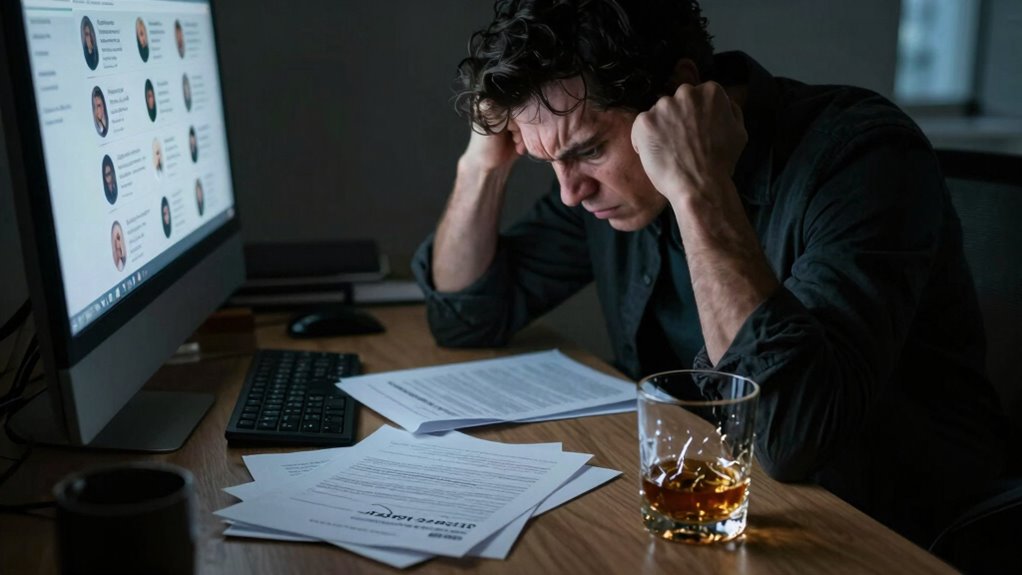

When you’re rejected, your emotional response can trigger a desire to protect your reputation or regain control. You might lash out through smear campaigns to shift blame, restore dignity, or defend yourself. These actions are fueled by feelings of vulnerability, anger, or humiliation, prompting you to influence others’ perceptions. Understanding the psychological and social reasons behind such behavior can help you see why this happens. Keep exploring to uncover more about how these reactions develop and what you can do about them.

Turn your wind-down time into listening time
- Thousands of audiobooks, podcasts and originals
- Listen on your phone, tablet or Echo — also offline
- Cancel anytime
Key Takeaways
- Rejection triggers strong emotions like shame or anger, prompting retaliatory smear campaigns to restore dignity.
- Individuals seek to sway public opinion and discredit the rejection source through false or negative information.
- Smear campaigns serve as a strategy to shift blame and regain social standing after rejection.
- Vivid visuals and impactful messages amplify emotional responses, making smear tactics more persuasive.
- Protecting reputation and social influence motivates individuals or groups to discredit others post-rejection.
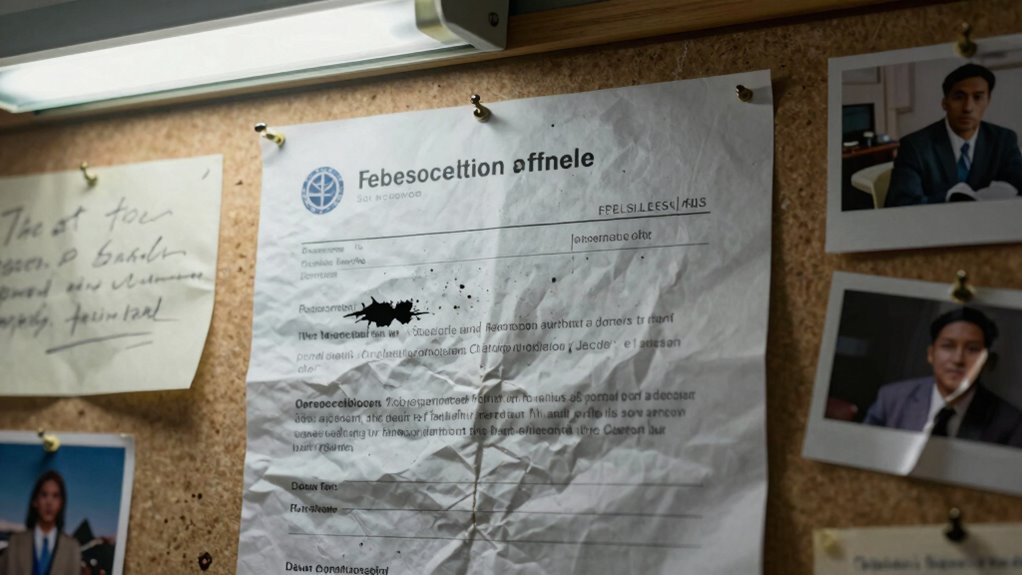
Have you ever wondered why some individuals or groups launch rejection and smear campaigns against others? Often, it’s driven by a mix of social influence and psychological impact. When someone faces rejection, especially if it’s unexpected or feels unfair, it can trigger a strong emotional response. Instead of simply accepting the rejection, those involved might lash out or spread negative information as a way to cope or regain a sense of control. This behavior isn’t random; it’s rooted in the human desire to influence perceptions and protect one’s self-esteem.
Social influence plays a significant role here. When a person or group feels rejected, they often seek to sway public opinion or rally allies to their side. They might start rumors or spread falsehoods to tarnish the reputation of the rejection source. This tactic can create a ripple effect, where others are influenced by the negative portrayal, making it seem justified or even necessary. By doing so, they attempt to reshape the narrative, convincing others that rejection was warranted or that the target is undeserving. This collective effort amplifies the emotional and social consequences for the person being targeted, making it harder for them to recover from the rejection.
Rejection triggers social influence, spreading rumors to reshape perceptions and justify negative treatment.
The psychological impact of rejection is profound. It can induce feelings of shame, anger, or humiliation, which fuel the desire for retaliation. When a person feels vulnerable or humiliated, they might try to reassert dominance or save face by launching smear campaigns. These campaigns aren’t just about defending oneself; they’re also about shifting the blame and deflecting responsibility. The psychological impact of rejection can distort perceptions, leading individuals to believe that attacking others is the best way to restore their dignity or regain social standing. Additionally, understanding the role of contrast ratio in visual perception helps explain why some rejections or criticisms become more impactful when associated with vivid, striking imagery or messages. This visual influence can significantly intensify the emotional response and the spread of negative sentiments.
Furthermore, smear campaigns after rejection serve as a form of social survival. By attacking or discrediting others, individuals attempt to protect their reputation and self-worth. They may also feel that doing so is necessary to maintain their social influence or status within a group. Recognizing the importance of social dynamics can help us better understand why such behaviors emerge in these contexts. Ultimately, these campaigns are fueled by complex emotional and social dynamics — a mix of *endeavoring* for control, defending self-esteem, and influencing perceptions. Understanding this interplay helps explain why rejection often triggers such aggressive responses, and why smear campaigns can become a common, albeit destructive, way to cope with the pain of social rejection.
emotional resilience self-help books
As an affiliate, we earn on qualifying purchases.
As an affiliate, we earn on qualifying purchases.
Frequently Asked Questions
How Do Smear Campaigns Differ Across Various Cultures?
You’ll notice smear campaigns differ across cultures because of varying cultural perceptions and social norms. In some societies, public shaming and gossip are common tools, while others prioritize privacy and face-saving. You might see aggressive tactics in highly competitive environments, but more subtle ones elsewhere. Understanding these differences helps you navigate or address smear campaigns effectively, recognizing that cultural context shapes how rejection and retaliation unfold.
What Legal Actions Are Available Against False Smear Campaigns?
Ever wondered how you can fight back against false accusations? You have legal remedies like filing defamation suits to protect your reputation. These suits help you seek damages and stop the spread of harmful lies. You might also pursue cease and desist orders or report the false statements to social media platforms. Don’t let false smear campaigns go unchallenged—taking legal action can restore your good name and provide justice.
Can Social Media Amplify the Effects of Smear Campaigns?
Social media can definitely amplify the effects of smear campaigns because it spreads misinformation quickly and widely. When false information is posted online, it reaches a large audience almost instantly, making it harder to control or correct. You might find that social media’s fast-paced environment allows smear campaigns to gain momentum, causing more damage to your reputation. Staying vigilant and addressing misinformation early can help minimize its impact.
What Psychological Impacts Do Smear Campaigns Have on Victims?
Imagine a storm cloud casting shadows over your mind—that’s how smear campaigns can affect you. You might experience emotional resilience strains, feeling isolated or doubting yourself. Social support acts like a warm umbrella, helping you withstand the turbulence. These campaigns can trigger anxiety, depression, and self-doubt, making it crucial to lean on friends and professionals. Strengthening your emotional resilience and seeking support helps you weather the storm.
Are There Successful Strategies to Prevent Smear Campaigns After Rejection?
Yes, you can prevent smear campaigns by proactively managing your reputation through transparent communication. Implement strong reputation management practices, stay honest, and address issues early to prevent misinformation. If a campaign starts, use crisis communication strategies to respond swiftly and calmly, minimizing damage. Consistently building trust and maintaining open channels with your audience can deter attackers and protect your reputation from lasting harm.
Conclusion
Just as storms often follow a clear sky, rejection can stir the winds of resentment, fueling smear campaigns. When you face rejection, remember the tale of Icarus—overreaching can lead to a fall. Instead of spiraling into negativity, choose to rise above, understanding that not every shadow cast is worth chasing. Keep your focus on integrity, and let the clouds of doubt pass, revealing the steady sun of your true character.
Halloween Picks
halloween
As an affiliate, we earn on qualifying purchases.