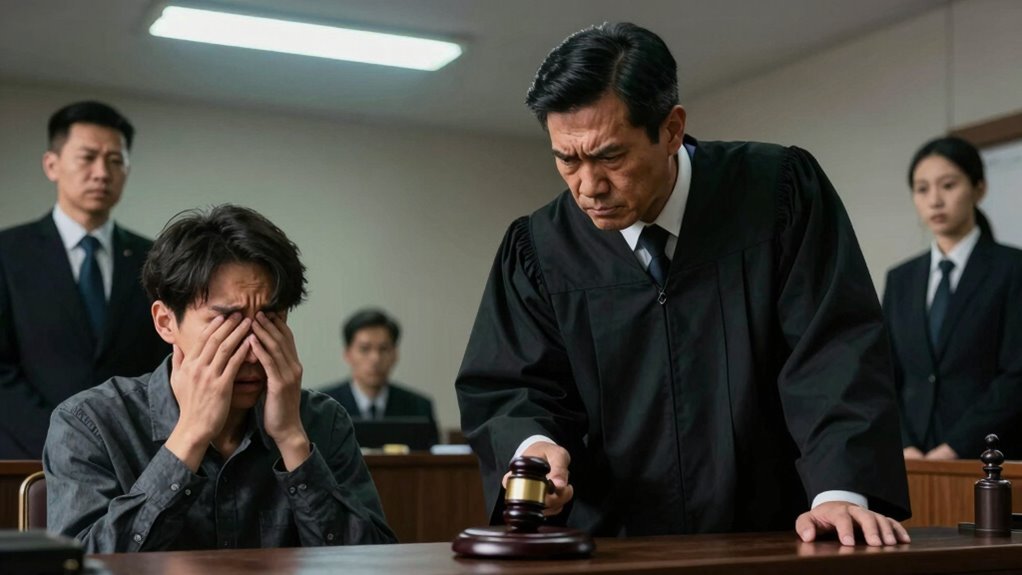

Court stress can quickly overwhelm your emotions, making it hard to stay calm and focused. When you’re anxious or intimidated, your judgment can become impaired, leading to impulsive reactions or poor decision-making. These emotional moments can cloud your thinking and hinder effective communication, potentially harming your case. If you want to learn how to manage these feelings and stay resilient under pressure, keep exploring how emotional regulation techniques can help you succeed.
Key Takeaways
- Court stress can heighten emotional reactions, making it harder to stay calm and focused.
- Increased anxiety may impair decision-making and lead to impulsive or ineffective communication.
- Stress can cause emotional overwhelm, reducing one’s ability to regulate feelings during high-pressure moments.
- Persistent courtroom stress may erode emotional resilience, increasing vulnerability to panic or frustration.
- Lack of emotional regulation under stress can negatively impact case presentation and overall courtroom performance.

Facing court proceedings can be incredibly stressful, and that stress often triggers strong emotional reactions. When you step into the courtroom, it’s natural to feel anxious, overwhelmed, or even intimidated. These feelings can make it harder to stay composed and think clearly, especially when the stakes are high. Courtroom anxiety can cloud your judgment, leading to impulsive responses or difficulty in communicating effectively. That’s why understanding how court stress impacts emotional regulation is crucial. It’s not just about managing your feelings; it’s about maintaining control so you can present yourself confidently and navigate the process successfully.
One effective way to combat courtroom anxiety is through mediation techniques. These strategies help you regulate emotions by encouraging calm communication and problem-solving. For example, deep breathing exercises can reduce immediate feelings of panic and bring your focus back to the present moment. Mindfulness practices can also help you observe your emotions without becoming overwhelmed by them. By practicing these techniques beforehand, you’re better prepared to handle intense situations during the hearing. Mediation isn’t just for resolving disputes; it’s a powerful tool to keep your emotional responses in check, allowing you to approach the courtroom with a clearer mind.
Your emotional regulation can be further supported by understanding that courtroom stress often stems from fear of judgment or losing control. Recognizing these triggers allows you to develop a more strategic approach. For instance, preparing thoroughly for your case can boost your confidence and reduce anxiety. When you know what to expect, your emotional responses become more manageable. Additionally, focusing on your breathing or using grounding techniques during stressful moments can prevent emotions from spiraling out of control. Incorporating elements like natural environments into your preparation can also promote relaxation and reduce overall stress levels. Understanding that stress management techniques are effective can empower you to take proactive steps toward emotional stability outside the courtroom as well. Developing a strong awareness of your emotional regulation strategies can significantly improve your resilience in various stressful situations.
It’s important to remember that court stress is a common experience, and you’re not alone in feeling overwhelmed. Developing resilience by practicing emotional regulation methods can make a significant difference. When you actively work to manage your feelings, you’re less likely to react impulsively or become paralyzed by fear. For example, understanding the role of coping mechanisms can help you choose healthier responses to stress. Instead, you can stay focused on your goals, communicate effectively, and present your case with clarity. Even if anxiety initially feels overwhelming, employing simple strategies like mediation techniques can restore your sense of calm. Ultimately, controlling your emotions in the courtroom empowers you to face proceedings with confidence, ensuring that your rights and interests are best represented.
deep breathing exercises for anxiety
As an affiliate, we earn on qualifying purchases.
As an affiliate, we earn on qualifying purchases.
Frequently Asked Questions
How Long Does Court Stress Typically Last?
Court stress, including court anxiety, can last from a few days to several weeks, depending on your circumstances. The stress duration varies based on factors like case complexity, your emotional resilience, and support systems. You might feel anxious leading up to the hearing and for a short while afterward. To manage this, practice relaxation techniques, seek support, and give yourself time to process the experience, helping reduce the overall stress duration.
Can Court Stress Cause Physical Health Problems?
Think of court anxiety as a relentless storm that impacts your body. It can cause physical health problems like headaches, high blood pressure, or stomach issues. Legal fatigue adds to this, draining your energy and weakening your immune system. Prolonged stress from court proceedings can heighten cortisol levels, increasing your risk for heart problems. Ignoring these symptoms can seriously harm your health, so taking care of your well-being is essential.
What Are Quick Ways to Manage Court Stress?
To manage court stress quickly, try practicing mindfulness techniques like focusing on your breath or observing your surroundings without judgment. Deep breathing exercises, such as inhaling slowly for four seconds, holding for four, then exhaling for four, can calm your nervous system fast. These strategies help you regain control, reduce anxiety, and stay centered during high-pressure moments. Keep practicing them regularly to build resilience for future stressful situations.
Does Court Stress Affect Sleep Patterns?
Court stress can profoundly disrupt your sleep patterns, with studies showing up to 60% of individuals experience sleep issues during stressful legal proceedings. The heightened anxiety levels make it harder to fall asleep or stay asleep, leading to sleep disruption. As your anxiety increases, your sleep quality decreases, creating a cycle that worsens emotional regulation. Managing stress early can help improve your sleep and reduce overall anxiety.
Can Court Stress Impact Relationships With Family?
Yes, court stress can impact your relationships with family. It often strains family dynamics, making communication difficult and increasing misunderstandings. As stress builds, your emotional resilience may weaken, causing you to become more irritable or withdrawn. This heightened tension can lead to conflicts or distance from loved ones. Maintaining healthy boundaries and seeking support can help you better manage court stress and protect your family relationships.
Conclusion
Managing court stress is like walking a tightrope—balance is delicate, and one misstep can throw your emotional stability off course. Imagine Sarah, who found her emotions spiraling after her day in court; her regulation felt shattered, like a fragile glass ready to break. Remember, managing this stress isn’t just about staying afloat but learning how to steady yourself amidst turbulent waters. With support and awareness, you can regain your balance and protect your emotional well-being.