

Managing visitation schedules with a BPD ex involves establishing clear, consistent plans that prioritize your child’s safety and emotional well-being. Set routines, use written agreements, and communicate calmly to reduce misunderstandings. Be prepared for emotional shifts by staying flexible and monitoring your child’s reactions. Building a support network and involving professionals can help manage conflicts. If you keep exploring, you’ll find practical strategies to create stability and protect your child’s best interests.
Key Takeaways
- Establish clear, written visitation agreements emphasizing routine, responsibilities, and emergency procedures to reduce misunderstandings.
- Maintain consistent communication focused on the child’s needs, avoiding emotional triggers and fostering stability.
- Prepare children with age-appropriate explanations, reassuring them about safety and routine to promote emotional security.
- Use calm, neutral language during exchanges, setting boundaries and involving mediators if tensions escalate.
- Monitor for signs of emotional stress in both parent and child, adjusting visitation plans to support stability and emotional well-being.

Co-Parenting Communication Log Book: A Custody and Parenting Time Record for Tracking Schedules, Visitation, Expenses, Child Support, Medical Visits, … Between Co-Parents | 8.5 x 11 | 130 Pages
As an affiliate, we earn on qualifying purchases.
As an affiliate, we earn on qualifying purchases.
Understanding the Emotional Landscape of BPD in Parenting

Understanding the emotional landscape of BPD in parenting requires recognizing how emotional dysregulation influences a parent’s behavior. When your ex has BPD, their intense emotions can cause unpredictable reactions, making parenting unpredictable and sometimes overwhelming. They might oscillate between being overly involved or emotionally distant, which can confuse and distress children. Their reactions often stem from difficulties regulating emotions, leading to impulsive or extreme responses during interactions. This emotional instability can make it hard for children to feel secure and understood. As you navigate visitation, understanding these emotional patterns helps you anticipate challenges and approach interactions with empathy. Recognizing that emotional dysregulation isn’t intentional allows you to foster patience and maintain a focus on the child’s stability amid the emotional turbulence.
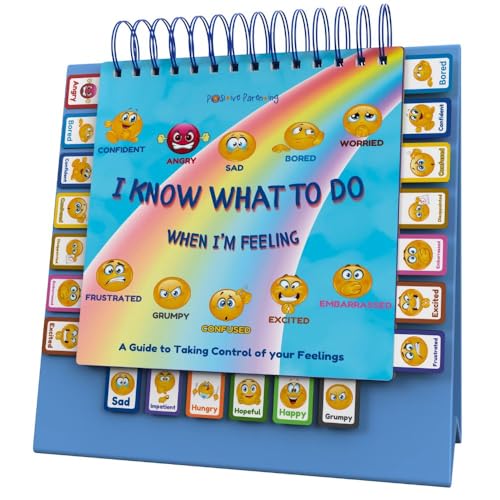
Thought-Spot I Know What to Do Flipbook | Emotions Wheel & Feelings Chart | Emotional Regulation Tool for Home, Class, or Calm Down Corner | Helps Kids Learn Coping Skills | Autism Must-Have
Understand & Express Everyday Feelings: Visually guides children ages 3–5 to recognize and name their emotions. This flipbook…
As an affiliate, we earn on qualifying purchases.
As an affiliate, we earn on qualifying purchases.
Establishing Consistent and Structured Visitation Plans

To create effective visitation plans, you need to set clear expectations that everyone understands and agrees on. While routines are essential, staying flexible allows you to adapt to changes and reduce conflict. Consistent communication with your ex helps make certain the schedule remains stable and focused on your child’s well-being.
Set Clear Expectations
Establishing clear expectations is essential for creating consistent and predictable visitation plans, especially when co-parenting with a parent who has BPD. Clear communication about visitation times, rules, and responsibilities reduces misunderstandings and conflict. Set specific schedules and boundaries upfront, so both of you know what to expect. Use written agreements to reinforce commitments and avoid confusion. Be honest about potential challenges and agree on how to handle unexpected changes. This clarity provides stability for your child and helps manage emotional reactions.
| Ideas | Examples |
|---|---|
| Consistent Schedule | Fixed days and times for visits |
| Clear Boundaries | Rules about behavior during visits |
| Communication Protocols | How to discuss schedule changes or issues |
| Emergency Plans | Steps to follow if plans need to change |
Maintain Routine Flexibility
While setting clear expectations helps create stability, it’s equally important to build flexibility into your visitation routine. BPD can cause unpredictable emotional shifts, so rigid schedules may increase stress for everyone. By allowing some flexibility, you can adapt to changes without disrupting the child’s sense of security. Flexibility means being open to adjusting visitation times when needed and communicating calmly about unexpected circumstances. It also involves recognizing that plans might sometimes need to shift to accommodate emotional needs or logistical challenges. This approach helps reduce conflict and creates a supportive environment for your child. Remember, consistency is important, but so is understanding that life’s unpredictability requires you to stay adaptable, especially when navigating the complexities of a relationship with a BPD ex.
Communicate Regularly
Have you considered how regular and clear communication can strengthen your visitation routine with a BPD ex? Consistent updates and open dialogue help set clear expectations, reducing misunderstandings and conflict. Keep communication focused on your child’s needs and logistical details, avoiding emotional triggers. Use neutral language and stick to facts to prevent escalation. Establish a regular check-in schedule—whether via text, email, or calls—to ensure both parents stay informed and aligned. Document important agreements and changes to maintain clarity. If direct communication becomes difficult, consider involving a mediator or using a shared digital calendar. Regular communication fosters stability for your child, demonstrating your commitment to cooperation and minimizing emotional stress during visits.

NO! I'M TELLING! – Body Safety, Consent & Boundaries Fun Activities for Kids: Personal Space, Secrets, Unsafe Touch, Social-Emotional Learning & Child Protection (NO! I'M TELLING! Series®)
As an affiliate, we earn on qualifying purchases.
As an affiliate, we earn on qualifying purchases.
Preparing Your Child for Visits With a BPD Parent

Preparing your child for visits with a parent who has BPD is essential to reduce anxiety and promote a positive experience. Start by explaining the visit in simple terms, emphasizing that it’s a safe time to see their parent. Reassure them that their feelings are valid and that it’s okay to feel nervous or upset. Establish a predictable routine before and after visits to create a sense of stability. Encourage your child to express their emotions and ask questions, listening without judgment. Help them identify coping strategies, like deep breathing or talking to a trusted adult. Keep communication open and honest, but avoid placing blame or sharing adult concerns. Preparing your child helps foster trust and resilience, making visits less stressful.

Joyreal AAC Device for Autism, Non Verbal Communication Tools for Speech Therapy & Stroke Rehab. Communication Tablet, Autism Talking Aids with 8 Programmable Buttons & Adjustable Volume
37 Easy To Understand Talking Buttons- Our AAC device for speech comes with 37 pre-installed instructions in a…
As an affiliate, we earn on qualifying purchases.
As an affiliate, we earn on qualifying purchases.
Effective Communication Strategies for Co-Parents

Effective communication with a BPD ex requires you to keep your dialogue clear and calm, even during difficult moments. Setting boundaries helps prevent misunderstandings and protects your emotional well-being. By focusing on these strategies, you create a more stable environment for your child and reduce conflict.
Clear and Calm Dialogue
Clear and calm dialogue is essential for co-parents steering the challenges of raising children with a parent who has BPD. When conversations stay composed, you reduce misunderstandings and emotional escalations. Focus on listening actively and speaking gently, even during disagreements. Use neutral language to avoid triggering emotional responses. Picture a situation where you calmly explain the schedule or address concerns without raising your voice. Keep your tone steady and respectful, modeling emotional regulation for your child. Remember, your calmness can influence your ex’s behavior.
- Visualize a peaceful exchange, free from yelling or blame
- Imagine exchanging messages that are clear and free of misinterpretation
- Think of responding with empathy instead of frustration
- Envision conversations that prioritize your child’s well-being
Set Boundaries Effectively
Setting boundaries is a vital part of maintaining respectful and productive communication with your ex, especially when steering through the complexities of co-parenting a child with a parent who has BPD. Clearly define what behavior is acceptable and what isn’t, and communicate these limits calmly and consistently. Stick to topics related to your child and avoid personal or emotional triggers. Use “I” statements to express your needs without blame. Keep interactions brief and focused, and don’t hesitate to step back if conversations become unproductive or emotional. Remember, setting boundaries isn’t about control but about protecting your well-being and creating a stable environment for your child. Being firm yet respectful helps foster healthier interactions and sets a positive example for your child.
Utilizing Professional Support and Mediation

When managing visitation schedules with a parent who has BPD, seeking professional support and mediation can be essential for creating a stable environment. Professionals like therapists or mediators can help facilitate productive conversations, reduce conflicts, and establish clear boundaries. They provide objective perspectives, helping both parents stay focused on the child’s best interests. You might imagine:
- A neutral mediator guiding difficult discussions, ensuring everyone’s voice is heard
- A therapist helping parents understand emotional triggers and manage responses
- Structured sessions that keep conversations on track and prevent escalation
- Collaborative plans that focus on consistency and stability for the children
Using these resources can reduce misunderstandings and promote healthier co-parenting, even amid emotional challenges. It’s about creating a safe space where everyone’s concerns can be addressed constructively.
Managing Emotional Reactions and Avoiding Conflict

Managing emotional reactions is essential when steering visitation with a parent who has BPD, as intense feelings can quickly escalate conflicts. You need to stay calm and avoid reacting impulsively to their emotional outbursts or accusations. Practice deep breathing or take a moment to collect yourself before responding. Set firm boundaries to prevent conversations from spiraling into arguments, and stick to neutral, fact-based communication. Focus on the child’s best interests rather than engaging in emotional disputes. If tensions rise, consider pausing the discussion or involving a neutral third party, like a mediator. Remember, your goal is to maintain a stable environment for your child, so managing your reactions helps prevent unnecessary conflict and provides consistency during visits.
Prioritizing the Child’s Well-Being and Safety
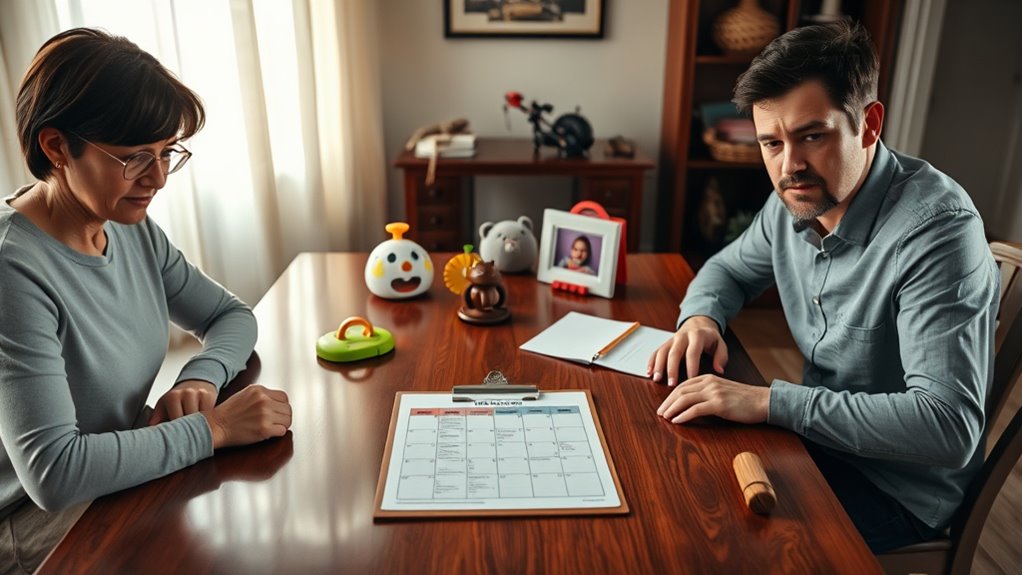
You need to focus on keeping your child’s emotional safety a top priority during visits, especially with a parent managing BPD. Maintaining a consistent routine helps create stability and reduces stress for your child, even amid unpredictable situations. Watching for behavioral triggers allows you to intervene early and protect your child’s well-being before issues escalate.
Ensuring Emotional Safety
Prioritizing a child’s emotional safety requires deliberate strategies to create a stable and supportive environment, especially when a parent has BPD. You need to set clear boundaries and communicate calmly to prevent emotional upheaval. Prepare your child before visits by explaining what to expect, helping them feel secure. Monitoring interactions ensures they’re not overwhelmed or invalidated. Encourage open dialogue about feelings and reassure them they’re loved and safe.
- Visualize your child feeling secure, supported by consistent rules and gentle guidance.
- Imagine them expressing their feelings openly, knowing they won’t be dismissed.
- Picture a calm, structured environment where emotional outbursts are managed with care.
- Envision your child feeling resilient, even amid challenging moments.
Maintaining Routine Stability
Maintaining routine stability is essential for safeguarding your child’s well-being, especially when dealing with a parent who has BPD. Children thrive on predictability, so sticking to consistent schedules helps them feel secure amid emotional ups and downs. Establish clear routines around daily activities like mealtimes, homework, and bedtime. Communicate these routines to your child in an age-appropriate way, emphasizing stability and safety. When visitation arrangements change unexpectedly, do your best to reschedule quickly and keep routines intact. Avoid making sudden alterations that could unsettle your child. Consistency reduces anxiety and builds trust, offering a sense of normalcy despite the emotional turbulence often associated with BPD. Prioritizing routine stability creates a safe environment where your child can flourish.
Monitoring Behavioral Triggers
Monitoring behavioral triggers is crucial for ensuring your child’s safety and emotional well-being, especially when dealing with a parent who has BPD. You need to stay alert to signs that indicate emotional or behavioral shifts, so you can intervene early. Watch for sudden mood swings, increased irritability, or withdrawal, which may signal an impending crisis. Pay attention to changes in your child’s behavior, such as withdrawal, anxiety, or acting out, that could be linked to the parent’s emotional state. Keep a mental or written log to identify patterns over time. This helps you anticipate triggers and prepare your child.
- Recognizing signs of emotional distress early
- Noticing shifts in the parent’s tone or body language
- Monitoring your child’s reactions during visits
- Tracking recurring situations that escalate tensions
Flexibility and Adaptability in Visitation Arrangements

Flexibility and adaptability are essential when managing visitation arrangements with a parent who has BPD because their emotional state and behavior can be unpredictable. You need to stay open to adjustments and recognize that rigid schedules might cause stress or conflict. Sometimes, emotional fluctuations or crises may require rescheduling or shortening visits. Being adaptable helps reduce tension and prioritize the child’s well-being. Communicate clearly with your ex about potential changes, and involve professionals if needed to navigate difficult moments. Keep in mind that flexibility doesn’t mean abandoning boundaries but rather responding thoughtfully to circumstances. By adjusting plans when necessary, you create a more stable environment for your child and minimize disruptions caused by the parent’s emotional volatility.
Recognizing Signs of Emotional or Developmental Stress in Children

Understanding how to recognize signs of emotional or developmental stress in children becomes particularly important when managing visitation schedules with a parent who has BPD. Children may show subtle or overt signs that they’re overwhelmed or struggling. Look for changes in behavior, such as withdrawal, aggression, or clinginess. Notice if they have difficulty concentrating or display regressive behaviors like bedwetting. Pay attention to emotional responses—excessive sadness, anxiety, or mood swings could indicate stress.
- Sudden shifts in sleep or eating patterns
- Avoidance of visits or separation anxiety
- Difficulty expressing feelings or articulating worries
- Increased irritability or emotional outbursts
Recognizing these signs helps you intervene early and support your child’s emotional health effectively.
Building a Support Network for Ongoing Parenting Challenges

Building a strong support network is essential when maneuvering the ongoing parenting challenges that come with a parent who has BPD. A reliable network offers emotional stability, practical advice, and validation. Connect with trusted friends, family members, or support groups who understand BPD’s impact. Consider joining local or online communities to share experiences and gain insights. Seek professionals such as therapists or mediators who can provide guidance and help manage conflicts. Use the table below to identify key support sources:
| Support Source | Benefits |
|---|---|
| Support Groups | Share experiences, emotional validation |
| Mental Health Professionals | Expert advice, coping strategies |
| Trusted Friends/Family | Practical help, emotional reassurance |
| Co-Parenting Mediators | Facilitate communication, reduce conflict |
Building this network empowers you to handle parenting challenges effectively.
Frequently Asked Questions
How Can I Handle Sudden Changes in Visitation Due to BPD Symptoms?
When your ex’s BPD symptoms cause sudden changes in visitation, stay calm and flexible. Communicate openly with your child and your ex, explaining the situation honestly without blame. Seek support from a therapist or mediator to navigate the disruptions. Prioritize your child’s emotional safety, providing reassurance and stability. Remember, consistency over time helps rebuild trust and reduces stress, so work together to establish a new, manageable routine.
What Legal Options Exist if My Ex With BPD Disrupts Visitation?
If your ex with BPD disrupts visitation, you can seek legal remedies like filing a motion for enforcement or modification in family court. You might request supervised visitation or a revised schedule to protect your child’s well-being. Consulting a family lawyer helps you understand your rights and navigate the legal process effectively. Keep detailed records of disruptions, as they can strengthen your case for appropriate court intervention.
How Do I Address My Child’s Emotional Needs During Visitation With a BPD Parent?
You might think emotional needs are secondary during visits, but ironically, they’re the foundation. To support your child, prepare them emotionally beforehand, explaining what to expect. During visits, stay attentive to their feelings, offering reassurance and validation. Keep communication open afterward, discussing their experiences. Encourage a sense of safety and stability, even amidst the chaos, so their emotional well-being remains prioritized, regardless of the parent’s unpredictable behavior.
What Signs Indicate My Child Is Emotionally Affected by the Visitation Arrangement?
You’ll notice your child shows signs like withdrawal, mood swings, or increased anxiety after visits. They may become more irritable, have trouble sleeping, or lose interest in activities they usually enjoy. Watch for clinginess or acting out as emotional responses. These behaviors indicate they’re processing complex feelings about the visitation. Stay attentive, communicate openly, and consider seeking support from a counselor to help them navigate these emotions effectively.
How Can I Maintain My Own Well-Being While Managing Visitation With a BPD Ex?
Did you know children of parents with BPD are twice as likely to experience emotional challenges? To maintain your well-being, set clear boundaries and prioritize self-care. Practice emotional regulation techniques like mindfulness and seek support from friends, therapists, or support groups. Keep communication focused on your child’s needs, avoid reactive responses, and take breaks when needed. Remember, taking care of yourself helps you better support your child and navigate the situation effectively.
Conclusion
Managing visitation with a BPD ex is like walking a tightrope—delicate, unpredictable, yet oddly routine. You’d think stability would be the goal, but often it’s about finding humor in the chaos and safety in your resolve. Remember, your child’s well-being is the anchor—sometimes the only thing keeping you from falling. So, keep balancing, keep caring, and maybe one day, the circus will settle into a calmer, more predictable show.