

When co-parenting with a BPD ex becomes too emotionally volatile and unmanageable, switching to parallel parenting can help. This approach minimizes conflict by creating clear boundaries and reducing direct contact, protecting your mental health and providing consistency for your children. It’s essential to monitor your own wellbeing and recognize signs of emotional and behavioral issues in your kids. To learn effective strategies and find support, explore how to navigate these complex situations successfully.
Key Takeaways
- Implement strict boundaries and a structured routine to minimize conflict and maintain stability for the child.
- Use written communication like emails or texts to reduce emotional escalation during exchanges.
- Prioritize self-care and seek mental health support to manage stress and prevent burnout.
- Focus on the child’s needs by avoiding engagement in conflicts and maintaining consistency in parenting.
- Seek professional guidance and connect with support groups specializing in high-conflict or BPD co-parenting challenges.

Parallel Parenting Workbook: Scripts, Boundaries and Communication Tools for High-Conflict Co-Parenting
As an affiliate, we earn on qualifying purchases.
As an affiliate, we earn on qualifying purchases.
Understanding the Challenges of High-Conflict Co-Parenting With BPD

High-conflict co-parenting with a parent who has BPD often becomes a cycle of escalating disagreements and emotional volatility, making cooperation nearly impossible. You may find yourself caught in frequent arguments, with little room for compromise. The parent with BPD might react intensely to perceived slights or misunderstandings, causing conflicts to spiral out of control. Their mood swings can lead to unpredictable behavior, disrupting routines and creating instability for your child. This constant tension drains your energy and affects your mental health. You might feel trapped, unsure of how to manage interactions without fueling conflict. As a result, traditional cooperative parenting becomes unfeasible, forcing you to seek alternative approaches that prioritize your well-being and your child’s stability amid ongoing turmoil.
Co-Parenting with a Narcissistic Ex: Setting Boundaries, Eliminating Conflict, Healing from Narcissistic Abuse, Protecting Your Children and Finding Peace
As an affiliate, we earn on qualifying purchases.
As an affiliate, we earn on qualifying purchases.
The Rationale Behind Choosing Parallel Parenting Strategies

When conflicts with a BPD ex-partner become intense and unpredictable, parents often turn to parallel parenting as a practical solution. This approach minimizes direct contact, reducing opportunities for conflict and emotional escalation. You may choose this strategy to protect your mental health and create a more stable environment for your children. It acknowledges that cooperation is challenging when emotional dysregulation and instability are frequent. Parallel parenting allows you to focus on your child’s needs without being pulled into a cycle of arguments. It also provides clear boundaries, making it easier to manage responsibilities and avoid triggers. Ultimately, this strategy aims to safeguard your well-being while ensuring your children’s stability, even when traditional co-parenting proves impossible.

Effective Co-Parenting or Parallel Parenting with a Narcissist: Set Boundaries, Eliminate Conflict, Protect Yourself, and Raise Emotionally Secure Children
As an affiliate, we earn on qualifying purchases.
As an affiliate, we earn on qualifying purchases.
Psychological Impact on Non-BPD Parents and Their Wellbeing

Living with a BPD ex-partner through parallel parenting can take a significant toll on your mental health and overall wellbeing. You often feel overwhelmed, stressed, and isolated as responsibilities pile up. The constant vigilance needed to manage logistics and emotional boundaries drains your energy and leaves little room for self-care. You might experience anxiety, sadness, or burnout, feeling like you’re steering a solo journey. To highlight this, consider the table below showing common challenges faced:
| Emotional Toll | Physical Impact | Support Needs |
|---|---|---|
| Elevated stress levels | Sleep disturbances | Access to mental health help |
| Anxiety and worry | Fatigue | Peer support networks |
| Feelings of isolation | Weakened immune system | Practical parenting resources |
| Guilt or self-blame | Physical exhaustion | Routine self-care practices |
| Mood swings | Headaches/muscle tension | Professional guidance |

My Body Sends a Signal: Helping Kids Recognize Emotions and Express Feelings (Resilient Kids)
As an affiliate, we earn on qualifying purchases.
As an affiliate, we earn on qualifying purchases.
How Parenting Behaviors of BPD Parents Affect Child Development

Your child’s development can be substantially shaped by the parenting behaviors of a BPD parent, especially when emotional availability is inconsistent. When parents oscillate between being overly controlling and emotionally distant, children often struggle with emotional regulation and security. These unstable patterns can lead to lasting impacts on their mental health and overall wellbeing.
Emotional Availability Challenges
Parents with BPD often struggle with emotional availability, which directly impacts how they connect with their children. This can lead to inconsistent, unpredictable interactions that confuse and distress your child. You might find yourself oscillating between over-involvement and emotional withdrawal, affecting your child’s sense of security. To understand these challenges better, consider:
- Difficulty recognizing or responding to your child’s emotional cues
- Inability to provide consistent warmth or support during stressful moments
- Overreacting or reacting dismissively to your child’s negative emotions
- Struggling to maintain calm and emotionally available interactions over time
These issues create an unstable emotional environment, making it hard for your child to develop healthy emotional regulation skills. Recognizing these patterns is the first step toward fostering more secure, nurturing connections.
Inconsistent Parenting Patterns
Inconsistent parenting behaviors characteristic of individuals with BPD can markedly impact child development by creating an unstable emotional environment. You might notice your child experiencing confusion or anxiety due to unpredictable responses, mood swings, or fluctuating levels of warmth and control. BPD parents often oscillate between being overly intrusive or emotionally distant, which can hinder the child’s sense of security. These inconsistent patterns make it difficult for children to develop stable attachments or trust, undermining their emotional regulation and social skills. Over time, children may become hypervigilant or emotionally withdrawn, adapting to the unpredictability. Such erratic parenting not only impairs their emotional growth but also increases the risk of developing self-esteem issues, behavioral problems, and difficulties managing relationships later in life.
Impact on Child Wellbeing
Children of parents with BPD often face heightened risks to their mental health and development because of the unpredictable and often invalidating parenting behaviors they experience. These behaviors can lead to emotional, behavioral, and cognitive challenges. Specifically:
- They’re more likely to develop psychiatric symptoms, such as anxiety, depression, or behavioral problems.
- Their emotional regulation can be impaired due to inconsistent responses from their parent.
- Older children and adolescents may show elevated emotional and behavioral difficulties.
- The unstable parenting style, oscillating between hostility and aloofness, can hinder healthy attachment and affect long-term mental health.
These effects underscore how BPD-related parenting patterns can undermine a child’s sense of safety and emotional stability, increasing their vulnerability to future mental health issues.
Recognizing the Signs of Emotional and Behavioral Issues in Children

You should pay close attention to sudden changes in your child’s mood or emotional state, which can signal underlying issues. Watch for patterns of challenging behaviors, like frequent tantrums or defiance, that seem out of the ordinary. Additionally, notice if your child reacts strongly to situations or shows intense emotional responses, as these may be signs of emotional reactivity.
Changes in Mood
Changes in mood often serve as key indicators of emotional and behavioral issues in children, especially those with parents who have mental health challenges like BPD. You might notice your child suddenly feeling irritable, withdrawn, or unusually anxious. These mood shifts can signal underlying struggles. Watch for:
- Frequent tears or emotional outbursts without clear reasons.
- Persistent sadness or feelings of hopelessness.
- Sudden anger or irritability that seems disproportionate.
- Withdrawal from friends, activities, or family interactions.
These signs may reflect difficulties in processing emotions or feeling safe emotionally. Recognizing these changes early helps you identify potential issues and seek support. Addressing mood fluctuations can improve your child’s well-being and emotional resilience, especially in complex co-parenting situations.
Challenging Behavior Patterns
Recognizing challenging behavior patterns is vital when managing children’s emotional and behavioral issues, especially in families affected by parental BPD. You might notice your child acting out, showing frequent tantrums, or withdrawing from social interactions. They may struggle with impulse control, display heightened emotional reactions, or exhibit signs of aggression or defiance. These behaviors often reflect underlying emotional distress or difficulties processing their experiences. Children may also have trouble concentrating, experience sleep disturbances, or show signs of anxiety and mood swings. Recognizing these patterns early helps you understand that their actions are responses to complex family dynamics and emotional instability. By identifying these signs, you can better support your child’s needs and seek appropriate help to foster healthier emotional development.
Emotional Reactivity Signs
Children often display heightened emotional reactivity when they’re overwhelmed or distressed, making it essential to observe their responses closely. Recognizing these signs early can help you address underlying issues and support your child’s well-being. Look for:
- Sudden outbursts of anger or tears that seem disproportionate to the situation
- Withdrawal from social interactions or activities they usually enjoy
- Difficulty calming down after emotional episodes, lingering distress
- Changes in sleep or eating patterns that reflect emotional upset
These behaviors may signal emotional dysregulation linked to family stress or inconsistent parenting. Paying attention to these signs allows you to intervene early and seek appropriate support, ultimately helping your child develop healthier coping skills despite challenging circumstances.
Barriers to Maintaining Effective Parallel Parenting Arrangements
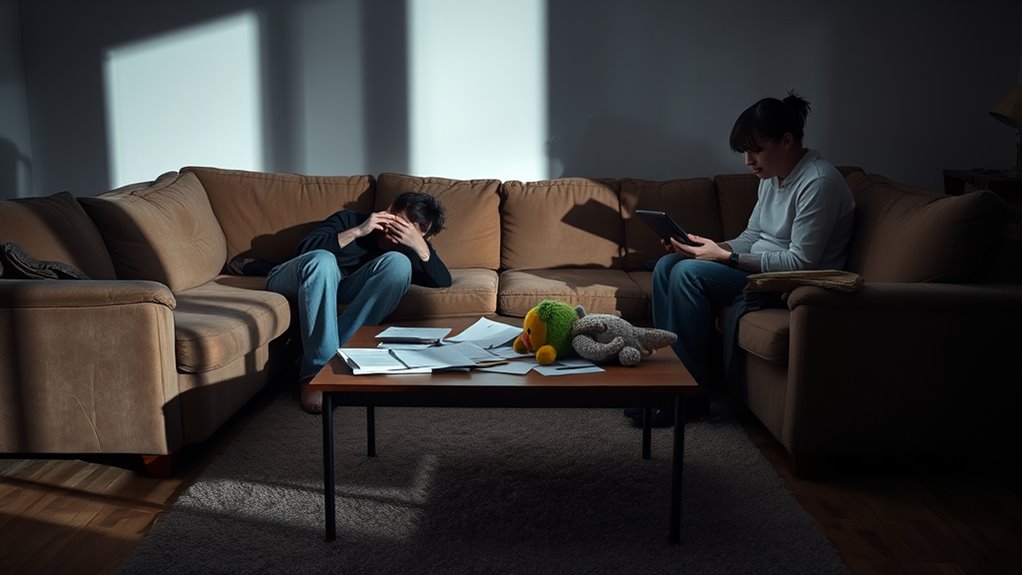
Maintaining effective parallel parenting arrangements with a BPD ex-partner often faces significant obstacles rooted in ongoing conflict and relational difficulties. You may find it hard to establish consistent boundaries or communication, as emotional volatility and mistrust interfere. Lack of clear guidelines or structure makes coordination challenging, especially when your ex displays unpredictable behaviors. Limited access to professional support or guidance further complicates the situation, leaving you to navigate complex interactions alone. Child and caregiver traits, like impulsivity or mental health issues, can exacerbate misunderstandings and escalate conflicts. Additionally, inherent traits linked to BPD—such as emotional dysregulation and fear of abandonment—can destabilize even well-intentioned efforts. These barriers hinder stability, making it difficult to sustain a peaceful, child-focused environment.
Supporting Parental Mental Health and Child Wellbeing in Complex Families
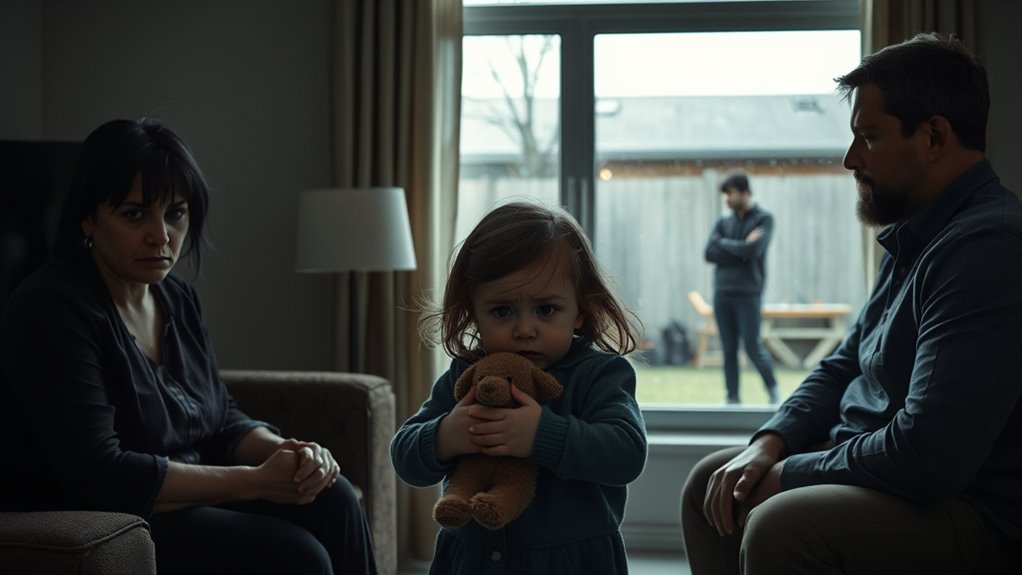
In families where parallel parenting is necessary due to high conflict and emotional volatility, supporting the mental health of both parents and children becomes a priority. You can take specific steps to promote wellbeing:
- Prioritize your own self-care by setting boundaries and seeking support.
- Maintain consistent routines to provide children with stability and predictability.
- Stay alert to signs of emotional or behavioral issues in your children and seek professional help early.
- Use clear, neutral communication with your ex-partner to reduce misunderstandings and conflict.
Focusing on these areas helps protect your mental health and creates a safer environment for your children’s development. Remember, your wellbeing directly impacts your children’s resilience and emotional stability.
Practical Approaches and Resources for Navigating BPD-Related Parenting Challenges

Managing parenting challenges with a parent who has BPD requires practical strategies and access to reliable resources. Start by establishing clear boundaries and consistent routines to create stability for your child. Use written communication, like shared calendars or messaging apps, to minimize direct contact and reduce conflict. Seek out professional guidance from therapists experienced in high-conflict or BPD-related family dynamics. Support groups for parents in similar situations can provide emotional validation and practical tips. Utilize online resources, such as parenting programs tailored for high-conflict families or mental health organizations offering guidance. Prioritize your mental health by engaging in self-care activities and seeking therapy if needed. Remember, building a support network is essential for steering these complex circumstances effectively.
Frequently Asked Questions
How Can I Effectively Communicate With a BPD Ex-Partner During Parallel Parenting?
You should keep communication clear, brief, and focused on essential child-related topics. Use written methods like emails or messaging to maintain boundaries and avoid emotional triggers. Stick to facts, avoid personal remarks, and don’t engage in arguments. Practice patience, stay consistent, and prioritize your child’s wellbeing. Seek support if needed, and maintain your emotional health by setting limits and practicing self-care, which helps you stay centered during interactions.
What Specific Self-Care Strategies Are Best for Non-Bpd Parents in High-Conflict Situations?
Think of self-care as your lifeline in turbulent seas—without it, you’ll struggle to stay afloat. Prioritize activities that restore your energy, like regular exercise, mindfulness, and connecting with supportive friends. Set firm boundaries to protect your emotional space, and don’t hesitate to seek therapy or support groups. Remember, maintaining your well-being isn’t selfish; it’s your anchor, helping you navigate high-conflict situations more effectively.
Are There Evidence-Based Interventions to Improve Parenting Skills With a BPD Parent?
Yes, evidence-based interventions like parent training programs and Dialectical Behavior Therapy (DBT) can improve parenting skills with a BPD parent. These approaches focus on enhancing emotional regulation, reducing impulsivity, and improving communication. You should seek therapists experienced in BPD and family dynamics, and consider skills training that promotes consistency, validation, and appropriate boundaries. Early intervention and ongoing support are key to fostering healthier interactions and better child outcomes.
How Can I Identify Early Signs of Emotional or Behavioral Issues in My Child?
You can spot early signs of emotional or behavioral issues in your child by paying close attention to sudden changes in mood, withdrawal from friends or activities, or aggressive outbursts. Notice if they become unusually anxious, clingy, or irritable. Keep track of their sleep and eating habits, and observe how they handle emotions or conflicts. Trust your instincts—early intervention can make a huge difference in addressing these concerns promptly.
What Resources Are Available to Support Parents and Children in High-Conflict BPD Family Dynamics?
You can find helpful resources through local mental health clinics, family therapy programs, and parenting support groups tailored for high-conflict BPD family dynamics. Online platforms also offer guides, forums, and professional counseling options. Seek out organizations specializing in co-parenting and BPD, and consider consulting mental health professionals who can provide tailored strategies. Prioritizing these resources helps you and your child manage challenges effectively and promotes healthier family relationships.
Conclusion
Guiding life with a BPD ex is like steering a small boat through turbulent waters—you need steady hands and clear strategies. By understanding the challenges, setting boundaries, and practicing parallel parenting, you can create a calmer environment for your children. Remember, you’re the lighthouse guiding your family safely through stormy seas. Stay resilient, seek support, and trust your efforts to bring stability and hope to your children’s future.