

If your spouse with BPD becomes violent, recognizing warning signs like mood swings, verbal hostility, and impulsive actions is crucial. Create a safety plan by identifying safe spaces, keeping emergency numbers handy, and preparing escape routes. Build a support network of trusted contacts and keep essential supplies accessible. Consider legal options like protective orders. Knowing how to respond quickly can help protect you and your children—more strategies await if you continue exploring this topic.
Key Takeaways
- Identify safe spaces with locks or barriers away from weapons and hazards.
- Develop an emergency escape plan with clear routes and accessible keys.
- Keep a list of emergency contacts, shelters, and hotlines ready to activate quickly.
- Call emergency services immediately if violence escalates or threats are present.
- Share your safety plan with trusted friends or family for support during crises.

The Useful Knots Book: How to Tie the 25+ Most Practical Rope Knots (Escape, Evasion, and Survival)
As an affiliate, we earn on qualifying purchases.
As an affiliate, we earn on qualifying purchases.
Recognizing Warning Signs of Escalating Violence
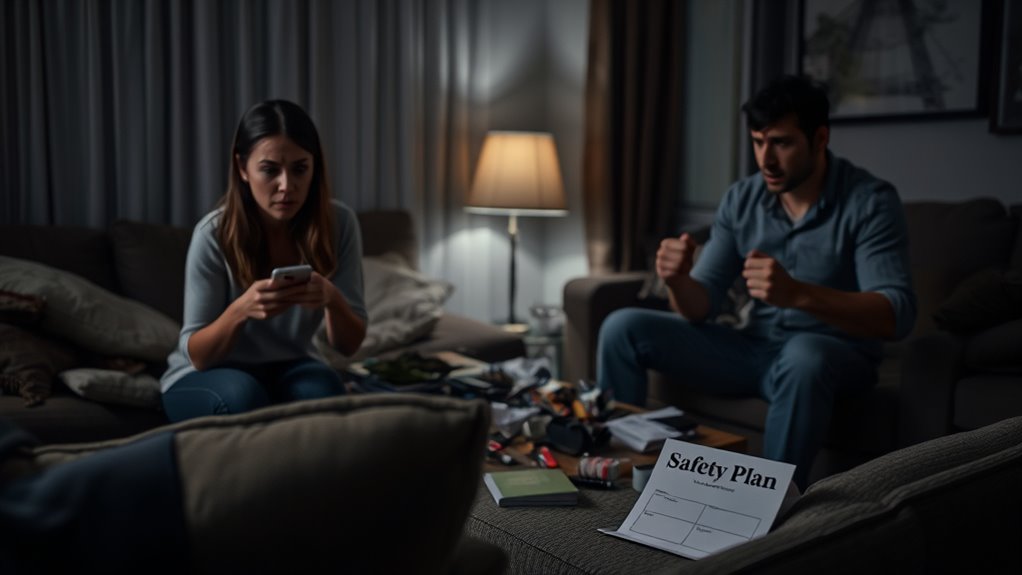
Recognizing the warning signs of escalating violence is essential for your safety and the safety of those around you. Pay attention to sudden changes in your spouse’s mood, especially if they become more irritable, angry, or agitated without clear reason. Watch for increased verbal hostility, such as yelling, threatening, or blaming. Notice if they start to act impulsively or exhibit behaviors like breaking objects, raising their voice excessively, or exhibiting physical tension. Substance use during conflicts can also signal a higher risk of violence. Keep an eye out for “splitting” or intense emotional reactions that seem disproportionate to the situation. Recognizing these early signs allows you to prepare and act proactively to protect yourself and your children.

Fauxomor 140dB Personal Safety Alarm for Women, 3 Pack Safe Alarm Protection Keychain with Strobe Light & Low Battery Notice, Security Siren Self Defense for Seniors College Girls, Pink+Blue+Black
Safety First: Unlike traditional pepper sprays or tasers, the Fauxomor safety keychain alarm set for women provides a…
As an affiliate, we earn on qualifying purchases.
As an affiliate, we earn on qualifying purchases.
Immediate Safety Measures to Protect Yourself and Your Children

When violence appears imminent or occurs unexpectedly, taking immediate safety measures is crucial to protect yourself and your children. Quickly identify safe spaces in your home where violence is less likely to occur, such as a room with a lock or an area away from weapons. Buffer access to harmful items and ensure exits are clear. Call emergency services if needed, and have a phone nearby. Use the table below to prepare:
| Action | Purpose |
|---|---|
| Escape route planning | Quickly leave if necessary |
| Emergency contacts | Reach out for help during crises |
| Safe shelter locations | Find a secure place outside the home |
Stay calm, act swiftly, and prioritize safety.

DIIG Sliding Door Security Bar, 17.7-50.5inch Heavy Duty Adjustable Sliding Patio Door Lock Bar with Rubber Tips,Diameter 1inch Window Security Bar for Home Apartment Travel Children Women (White)
Sturdy:The sliding glass door safety bar is made of high-strength metal with a 1-inch diameter and finished with…
As an affiliate, we earn on qualifying purchases.
As an affiliate, we earn on qualifying purchases.
Developing a Crisis Response and Support Network

Building a strong crisis response and support network is essential for ensuring safety during episodes of violence involving a BPD spouse. You need trusted people and clear plans in place. Here’s how to build yours:
- Identify at least three trusted contacts—friends, family, or neighbors—who can provide immediate help or shelter.
- Create a list of local emergency services, shelters, and hotlines to call during a crisis.
- Share your safety plan with these contacts so they know how to support or assist you quickly.
- Keep important documents, keys, and emergency supplies accessible and ready to grab if needed.
Having these steps in place guarantees you’re not alone when a crisis hits. Your safety depends on a prepared, supportive network ready to act swiftly.

Household Emergency Contacts Organizer: Essential Information for Quick Access in Emergencies
As an affiliate, we earn on qualifying purchases.
As an affiliate, we earn on qualifying purchases.
Legal Options and Protective Orders for Your Safety

Legal options and protective orders can be powerful tools to help you establish safety when you’re dealing with a violent BPD spouse. They legally prohibit your partner from contacting or approaching you, reducing the risk of further harm. To pursue this, you’ll need to file for a restraining or protective order through the court, providing evidence of the violence or threats. Law enforcement can enforce these orders, removing your spouse from your home if necessary. Keep detailed records of incidents, including dates, times, and descriptions, as they support your case. If children are involved, you can request custody arrangements that prioritize their safety. Consulting a lawyer or local domestic violence agency can guide you through the process and help guarantee your protection.
Long-Term Strategies for Safety and Recovery
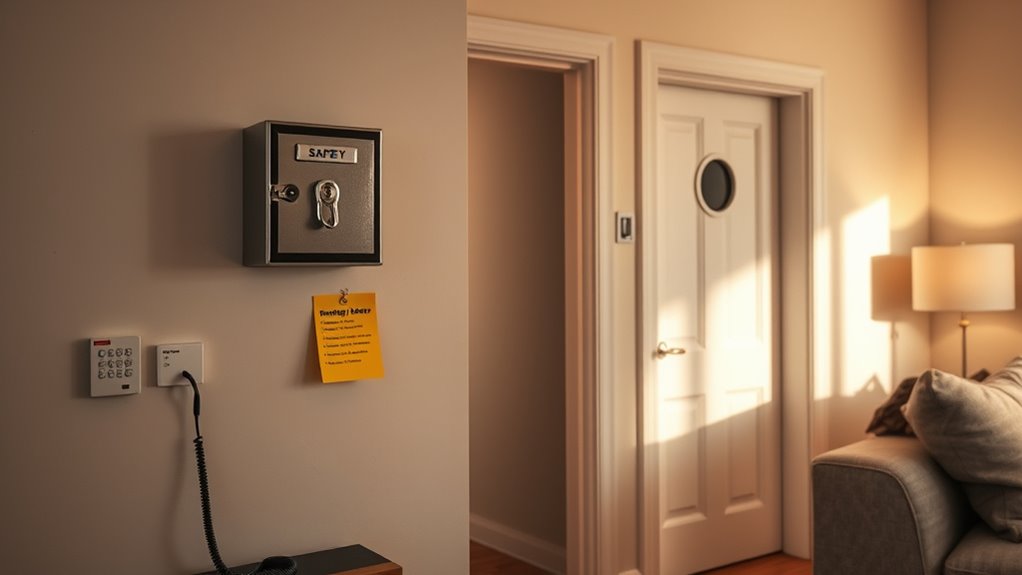
Long-term safety and recovery require proactive planning and ongoing support to rebuild your life after experiencing violence from a BPD spouse. You need to focus on healing and establishing stability. Consider these strategies:
- Seek ongoing therapy to process trauma and develop healthy coping skills.
- Build a strong support network of trusted friends, family, or support groups.
- Create a detailed safety plan, including escape routes and emergency contacts.
- Prioritize your independence by securing financial stability and legal protections.
Frequently Asked Questions
How Can I Tell if My Partner’s Behavior Is Becoming Dangerously Unpredictable?
You can tell if your partner’s behavior is becoming dangerously unpredictable by noticing sudden mood swings, intense anger, or impulsive actions that seem out of character. Watch for escalating conflicts, threats, or physical signs of agitation. If they start acting aggressively, isolating themselves, or losing control over emotions, take these as warning signs. Trust your instincts, stay alert, and consider reaching out for support or creating a safety plan before the situation worsens.
What Are Effective Ways to Communicate Safety Concerns Without Escalating Violence?
You should approach safety concerns calmly and clearly, using “I” statements to express your feelings without blame. Choose a private, non-confrontational moment to talk, and keep your tone steady. Avoid raising your voice or making accusations. If you sense mounting anger, consider removing yourself from the situation. Remember, prioritizing your safety is essential; seek support from professionals or trusted contacts if needed.
How Do I Manage Emotional Trauma After a Violent Incident?
Think of emotional trauma as a storm you need to weather. After a violent incident, prioritize self-care by seeking counseling or support groups, which act like a safe harbor. Practice grounding techniques, like deep breathing, to reconnect with the present. Avoid blaming yourself and give yourself permission to heal at your own pace. Remember, healing is a journey, and professional help can guide you through the aftermath’s rough waters.
Are There Specific Signs That Suggest My Partner’s Violence Might Escalate?
You should watch for warning signs like increased agitation, threatening language, rapid mood shifts, or destructive behavior. Notice if your partner isolates themselves, becomes more impulsive, or exhibits worsening self-harm tendencies. Elevated substance use or attempts to control or intimidate also signal potential escalation. Trust your instincts—if you notice these signs, take immediate steps to assure safety, such as leaving the environment or contacting emergency services.
How Can I Support Children’s Emotional Needs During and After Violence Episodes?
Think of children’s emotions as delicate flowers that need gentle tending. During and after violence episodes, you support them by providing a calm, safe space where they can express feelings without judgment. Reassure them with consistent routines, acknowledge their fears, and validate their feelings. Keep communication open, listen actively, and remind them they’re loved and safe. Seek professional help if needed, to help them process and rebuild emotional resilience.
Conclusion
Remember, safeguarding yourself and your children is vital. Over 75% of domestic violence victims report feeling unprepared during a crisis, highlighting the importance of a solid safety plan. Stay alert to warning signs, develop a support network, and know your legal options. By proactively planning, you can better protect yourself and work toward long-term safety and healing. Your safety is worth every effort—don’t wait until it’s too late.