

If you’re in a relationship with someone who has BPD, you might notice trust fluctuates and emotional connections feel fragile. Emotional dysregulation can lead to conflicts, misunderstandings, and impulsive reactions that hurt intimacy. These challenges often result in shortened relationships, insecurity, and difficulty maintaining long-term bonds. Gender differences also influence how BPD affects relationships over time. Understanding these patterns and strategies to improve communication can help foster closer, more stable intimacy—continue to explore how to strengthen your connection.
Key Takeaways
- Emotional dysregulation causes unpredictable reactions, making intimacy feel unstable and challenging to establish deep trust.
- Trust fluctuations and fears of abandonment hinder the development of secure emotional closeness.
- Mood swings and hostile responses can create emotional distance, reducing feelings of safety and connection.
- Difficulty managing intense emotions leads to conflicts that damage intimacy and relationship satisfaction.
- Targeted interventions like DBT can improve emotional regulation, fostering healthier, more secure intimate relationships.

The Dialectical Behavior Therapy Skills Workbook: Practical DBT Exercises for Learning Mindfulness, Interpersonal Effectiveness, Emotion Regulation, and Distress Tolerance
As an affiliate, we earn on qualifying purchases.
As an affiliate, we earn on qualifying purchases.
How BPD Affects Emotional Connection and Trust

Borderline Personality Disorder (BPD) considerably impacts emotional connection and trust in romantic relationships. You might find it challenging to feel secure, as trust can fluctuate wildly based on perceived rejection or emotional shifts. Your intense emotional reactions often lead to misunderstandings, making your partner feel unsure about your consistency. Mood swings and hostile responses to minor conflicts can erode the foundation of trust, causing your partner to feel exhausted or unsure if they can rely on you. These unpredictable reactions create a cycle where emotional connection feels fragile and unstable. As a result, both partners may struggle with feelings of insecurity, frustration, and emotional exhaustion. This persistent instability hampers the development of deep, lasting bonds, making it difficult to build and maintain genuine trust over time.
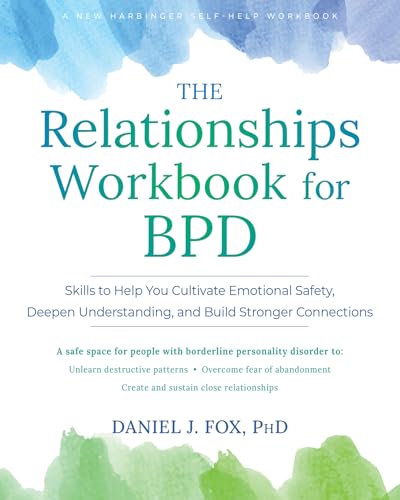
The Relationships Workbook for BPD: Skills to Cultivate Emotional Safety, Deepen Understanding, and Build Stronger Connections
As an affiliate, we earn on qualifying purchases.
As an affiliate, we earn on qualifying purchases.
The Role of Emotional Dysregulation in Romantic Conflicts

Emotional dysregulation plays a central role in fueling conflicts within romantic relationships involving individuals with BPD. When emotions become intense, you may react impulsively or defensively, escalating disagreements. Your partner might feel overwhelmed or misunderstood, leading to frustration or withdrawal. This cycle often triggers more intense emotional responses, creating a feedback loop of conflict and distress.
| Trigger | Emotional Response | Conflict Outcome |
|---|---|---|
| Perceived rejection | Anger, fear, sadness | Argument, breakup |
| Stress from daily life | Mood swings, irritability | Escalated fights |
| Miscommunication | Frustration, blame | Distance or separation |
Understanding this cycle helps you and your partner develop healthier coping strategies, reducing conflicts caused by emotional dysregulation.

DBT Skills Therapy Cards for Coping – Dialectical Behavior Therapy Tools for Teens & Adults – Mental Health Emotional Regulation & Stress Relief
Unlock 20 of the most commonly used DBT skills with these easy-to-use DBT therapy cards designed to help…
As an affiliate, we earn on qualifying purchases.
As an affiliate, we earn on qualifying purchases.
Relationship Duration and Commitment Challenges in BPD

Many individuals with BPD experience shorter romantic relationships and face greater challenges in maintaining long-term commitments. You might find yourself in multiple relationships over time, often ending sooner than you’d like. This pattern can stem from intense emotional ups and downs, fear of abandonment, or difficulty trusting your partner. Even when you want to stay committed, emotional dysregulation can lead to conflicts or impulsive decisions that jeopardize stability. Rates of marriage are lower among those with BPD, and many struggle to sustain long-term bonds. However, as your symptoms improve or you engage in therapy like DBT, you may notice an increased ability to build lasting relationships. Recognizing these challenges is the first step toward developing strategies that foster commitment and relationship resilience.

Rebuilding Trust: Guided Therapy Techniques and Activities to Restore Love, Trust, and Intimacy in Your Relationship
As an affiliate, we earn on qualifying purchases.
As an affiliate, we earn on qualifying purchases.
Impact of BPD Symptoms on Satisfaction and Stability

BPD symptoms directly affect relationship satisfaction and stability, often leading to lower happiness levels for both partners. You might notice more frequent conflicts, emotional upheaval, and feelings of insecurity. These challenges create a cycle of tension that undermines trust and commitment. The table below shows how specific symptoms impact relationship quality:
| Symptom | Effect on Satisfaction and Stability |
|---|---|
| Emotional dysregulation | Causes intense conflicts, harming stability |
| Trust issues | Lead to insecurity, reducing satisfaction |
| Impulsivity | Results in breakups or unstable commitments |
| Mood swings | Create unpredictable dynamics, decreasing trust |
Understanding these effects helps you recognize the importance of targeted interventions to improve relationship outcomes.
Gender Differences in Romantic Outcomes for Individuals With BPD

You may notice that gender influences how BPD affects romantic stability, with women more likely to maintain relationships and have children when they recover. Men with BPD tend to show less variation in relationship endings and are less likely to become parents, regardless of recovery status. These differences highlight the importance of considering gender when evaluating romantic outcomes and tailoring support strategies.
Relationship Stability Variances
Why do gender differences influence romantic stability in individuals with BPD? Because societal expectations and biological factors shape how men and women experience and manage BPD symptoms, their relationship outcomes differ markedly.
Consider these points:
- Women with BPD who recover often find stability, enter long-term relationships, and have children, fostering a sense of belonging and hope.
- Men with BPD, regardless of recovery, are less likely to become parents or maintain sustained relationships, leading to feelings of isolation.
- Non-recovered men may face increased custody loss or relationship breakdowns, intensifying emotional distress.
These differences highlight how gender influences not just relationship longevity but also emotional resilience and life milestones, shaping the overall impact of BPD on romantic stability.
Parenthood and Commitment Differences
Gender differences markedly shape how individuals with BPD approach parenthood and commitment. Women with BPD who recover are more likely to pursue long-term relationships and become mothers, reflecting societal expectations and personal stability. In contrast, men with BPD tend to show less variation based on recovery status, often remaining less likely to become parents regardless. Non-recovered men may lose custody or choose to avoid parenthood due to emotional challenges. Women with BPD may experience more fulfilling parenting roles if they recover, while men often face barriers to parenthood, sometimes resulting in limited involvement with children. These differences influence relationship dynamics, with women’s parenting often linked to relationship stability, whereas men’s parenting involvement remains more limited, impacting overall romantic and family outcomes.
Recovery’s Gendered Effects
Recovery from BPD substantially influences romantic outcomes, but these effects differ markedly between men and women. Women who recover are more likely to sustain long-term relationships and become mothers, experiencing greater stability and fulfillment. Conversely, men with BPD show less change in relationship status regardless of recovery, often facing higher risks of separation or custody loss. You may feel relief and hope if you’re a woman, knowing recovery can lead to meaningful connections and family life. However, if you’re a man, you might worry that recovery won’t considerably alter your relationship prospects.
- Women with BPD who recover often find lasting love and parenthood, fostering joy and stability.
- Men with BPD, regardless of recovery, may struggle with relationship endings and custody issues.
- Gender shapes how recovery impacts emotional bonds, influencing your future romantic possibilities.
Strategies to Improve Intimacy and Communication in BPD Relationships

Improving intimacy and communication in BPD relationships requires intentional strategies that foster understanding and emotional safety. First, practice validating your partner’s feelings; this helps reduce misunderstandings and builds trust. Use active listening, reflecting back what you hear to show you genuinely understand their perspective. Establish clear boundaries and communicate them calmly to create stability. Encourage your partner to engage in therapy, particularly approaches like Dialectical Behavior Therapy (DBT), which focuses on emotional regulation and effective communication skills. Avoid blame and escalation by taking breaks during conflicts and returning to discussions when both are calmer. Consistently express appreciation and reassurance to strengthen emotional bonds. These deliberate efforts can help break negative cycles, promote healthier interactions, and deepen intimacy over time.
Frequently Asked Questions
How Does BPD Influence Long-Term Commitment in Romantic Relationships?
Your BPD can make long-term commitment challenging due to mood swings, emotional dysregulation, and trust issues. You might have more short-term relationships, but they often end quickly, with lower satisfaction. However, recovery and therapy, like DBT, can improve your ability to sustain relationships. Validating communication and understanding your patterns help build stability, increasing your chances of long-term commitment and healthier, lasting romantic connections.
What Are Effective Ways to Rebuild Trust After Bpd-Related Conflicts?
They say, “Trust takes years to build, seconds to break, and forever to repair.” To rebuild trust after BPD-related conflicts, focus on consistent, validating communication. Show patience, acknowledge feelings, and avoid blame. Engage in couples therapy or Dialectical Behavior Therapy, which can markedly improve understanding and emotional regulation. Over time, your genuine effort and openness will help restore trust and strengthen your relationship’s foundation.
How Do BPD Symptoms Impact Intimacy Development Over Time?
Your BPD symptoms can hinder intimacy development over time by causing emotional dysregulation, trust issues, and intense conflicts. These challenges lead to fluctuating emotional closeness, making it hard to build consistent, deep connections. Mood swings and perceptions of rejection may cause you to withdraw or push partners away, preventing intimacy from strengthening. However, with targeted therapy and improved communication, you can foster healthier emotional bonds and develop lasting intimacy.
Are There Specific Therapies That Enhance Emotional Closeness in BPD Couples?
Imagine you’re in couples therapy with your partner, working through trust and emotional regulation. Dialectical Behavior Therapy (DBT) is proven to enhance emotional closeness by teaching both of you mindfulness and validation skills. For example, in a case where conflict frequently arose, DBT helped the couple develop healthier communication patterns. This approach fosters understanding, reduces distress, and promotes deeper intimacy, making it a powerful tool for strengthening emotional bonds in BPD-affected relationships.
How Do Relationship Outcomes Differ Between Men and Women With BPD?
You’ll find that women with BPD who recover tend to build more stable, long-term relationships and often have children, while men with BPD show less difference in relationship stability regardless of recovery. Men are less likely to become parents and may experience more relationship support or contentment, even if they face ongoing challenges. Overall, gender influences how BPD affects relationship longevity and the likelihood of maintaining committed partnerships.
Conclusion
Understanding how BPD influences intimacy reveals complex challenges you might face in your relationships. But there’s hope—discovering effective strategies can transform your connection and rebuild trust. Will you open the secrets to deeper emotional bonds and lasting stability? The journey ahead promises revelations that could change everything. Stay tuned, because what you uncover next might just redefine your approach to love and intimacy forever. Are you ready to take that essential step?