

Loving someone with BPD requires patience, understanding emotional shifts, and establishing trust through consistency. You can help by communicating calmly, validating their feelings, and creating routines that promote emotional safety. Recognize triggers like abandonment fears and manage them with reassurance and clear boundaries. Celebrating small wins and seeking therapy or education can strengthen your relationship over time. Keep supporting with empathy, and you’ll discover ways to foster a more stable, loving connection.
Key Takeaways
- Practice patience, validation, and active listening to de-escalate conflicts and foster understanding.
- Establish predictable routines and clear boundaries to create emotional safety and trust.
- Recognize emotional triggers like abandonment fears and respond with reassurance and consistency.
- Utilize therapy, education, and small wins to build resilience and long-term stability.
- Approach challenges with empathy, celebrate progress, and maintain ongoing support for relationship growth.

DBT Skills Therapy Cards for Coping – Dialectical Behavior Therapy Tools for Teens & Adults – Mental Health Emotional Regulation & Stress Relief
Unlock 20 of the most commonly used DBT skills with these easy-to-use DBT therapy cards designed to help…
As an affiliate, we earn on qualifying purchases.
As an affiliate, we earn on qualifying purchases.
Understanding the Emotional Landscape of BPD

Understanding the emotional landscape of BPD is essential for couples maneuvering this challenging relationship. You need to recognize that mood swings and intense reactions are central features, accounting for most conflicts. These emotional shifts can happen rapidly, often seeming disproportionate to the situation. Many with BPD also harbor a deep fear of abandonment, which can trigger heightened sensitivity and reactive behaviors. You might notice accusations, threats, or emotional manipulation as attempts to protect against perceived rejection. Emotional dysregulation impairs communication, making misunderstandings more likely. Your partner’s feelings are often intense and real, even if they seem exaggerated. By understanding this emotional terrain, you can respond with patience and compassion, fostering a safer space where vulnerability and trust can gradually develop.

BPD Workbook for Couples: Techniques for Managing Strong Emotions and Optimizing Your Relationship (Break Free and Recover from Unhealthy Relationships)
As an affiliate, we earn on qualifying purchases.
As an affiliate, we earn on qualifying purchases.
Recognizing Common Conflict Triggers and How to Manage Them

You’ll notice that fears of abandonment often trigger intense reactions, making it essential to respond with reassurance and consistency. Mood swings can escalate conflicts quickly, so recognizing early signs helps you manage situations calmly. Accusations and blame tend to arise during stress, but staying focused on validation and open communication can defuse these triggers.
Abandonment Fears Trigger
Abandonment fears are a common and powerful trigger in relationships involving someone with BPD. These fears can lead to intense reactions, such as accusations or emotional withdrawal, which escalate conflict. Recognizing this trigger helps you respond with patience and reassurance. To manage it, focus on consistent, validating communication and create routines that foster stability. Understanding that these fears stem from past trauma allows you to respond compassionately rather than defensively.
| Trigger Type | Common Behaviors | Effective Response |
|---|---|---|
| Abandonment | Threats, accusations, emotional withdrawal | Offer reassurance, stay calm, use validation |
| Mood Swings | Sudden emotional shifts | Maintain patience, avoid escalation |
| Trust Issues | Suspicion, jealousy | Foster open dialogue, build trust |
Mood Swing Escalations
Mood swings are a common and often unpredictable source of conflict in relationships involving someone with BPD. You might notice sudden shifts from intense happiness to deep anger or despair, sometimes without clear warning. These swings can escalate conflicts quickly, making it hard to maintain stability. To manage this, recognize early signs of emotional escalation, like increased agitation or withdrawal. Stay calm and avoid reacting impulsively, as your response can influence the situation. Encourage your partner to use coping strategies such as grounding techniques or taking a break. Consistent routines and a calm environment can help reduce the intensity of mood swings over time. Patience and understanding are essential—remember, these shifts are symptoms, not personal attacks.
Accusations and Blame
Accusations and blame are common triggers that can quickly escalate conflicts in relationships involving someone with BPD. When your partner feels misunderstood or threatened, they may lash out with accusations, often blaming you for their feelings or problems. These accusations can stem from fears of abandonment or emotional dysregulation, making it hard to have rational conversations. To manage this, stay calm and avoid defensiveness. Validate their feelings without endorsing the blame, and gently redirect the focus to understanding and problem-solving. Setting clear boundaries around accusations helps create safety. Remember, these outbursts are symptoms of BPD, not personal attacks. Responding with patience and empathy can de-escalate tensions and foster trust, helping your relationship develop a more stable foundation.
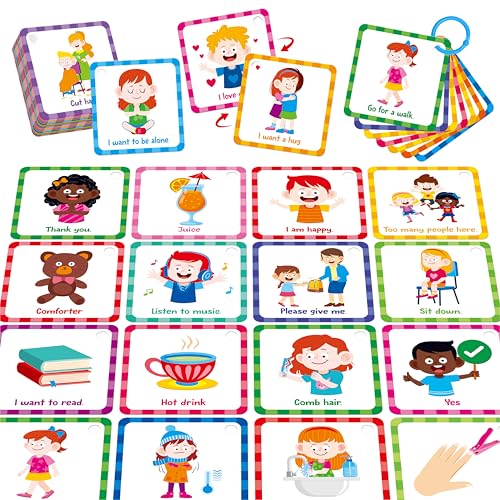
Special Needs Communication Cards, 40 Double-Sided Cards 80 Basic Special Needs for Children and Adults with Autism, Speech Delay Visual Aid Non Verbal Speech Therapy for Toddlers, Kids, Seniors
Develop Language Communication: These special needs communication cards are designed to help children and adults with autism, speech…
As an affiliate, we earn on qualifying purchases.
As an affiliate, we earn on qualifying purchases.
Effective Communication Strategies for Supporting Your Partner

To support your partner effectively, focus on validating their emotional responses without judgment. When they express fears of abandonment, listen patiently and reassure them with consistency and empathy. These strategies help build trust and reduce the intensity of their emotional reactions.
Validating Emotional Responses
Validating your partner’s emotional responses is essential for creating a safe and supportive environment, especially when they experience intense feelings or mood swings. When your partner shares their emotions, listen without judgment and acknowledge their experience. Use empathetic phrases like “That sounds really difficult” or “I understand why you feel this way.” Avoid dismissing or minimizing their feelings, even if they seem exaggerated. Validation doesn’t mean you agree with everything but shows you respect their perspective. This helps reduce emotional intensity and builds trust. When your partner feels heard and understood, they’re more likely to regulate their emotions and feel secure. Consistent validation fosters connection, decreases conflict, and supports their emotional stability over time.
Managing Abandonment Fears
Managing your partner’s fear of abandonment requires clear and compassionate communication. You can reassure them by openly expressing your commitment and patience. Consistently follow through on promises, so your partner feels secure and trusted. Encourage honest dialogue about their feelings, validating their fears without dismissing them. Establish routines that promote stability and predictability, reducing anxiety. Be mindful of your tone and responses, avoiding blame or criticism that might heighten fears.
- Use reassurance statements that emphasize your support
- Maintain consistent contact and routines
- Validate their feelings without dismissing concerns
- Avoid sudden changes or surprises that could trigger insecurity

Planners with Purpose Wellness Journal – Daily Self Care Lifestyle Planner to Support Physical, Mental, & Emotional Health – Guided Prompts Self Love Diary to Practice Gratitude, Reflection, and Goals
DAILY SELF-CARE & WELLNESS SUPPORT: Guided Daily Self Care & Reflection Notebook to achieve balance in your physical,…
As an affiliate, we earn on qualifying purchases.
As an affiliate, we earn on qualifying purchases.
The Role of Therapy and Educational Resources in Building Stability

Therapy and educational resources play a crucial role in helping couples build stability when one partner has BPD. They provide essential knowledge about the disorder, helping you understand your partner’s behaviors and emotional responses. This understanding reduces frustration and fosters compassion, making it easier to navigate conflicts. Therapeutic approaches like dialectical behavior therapy (DBT) teach emotional regulation skills that benefit both partners, improving communication and reducing impulsivity. Couple’s counseling offers a safe space to address challenges, develop coping strategies, and strengthen your connection. Educational resources, including books and support groups, empower you with practical tools and insights. Together, therapy and education create a foundation of stability, promoting healthier interactions and fostering long-term relationship resilience.
Building Routines and Practices to Foster Security and Connection

Establishing consistent routines and intentional practices can considerably enhance feelings of security and connection in a relationship affected by BPD. You create a sense of stability by sticking to daily habits and predictable interactions, which can reduce anxiety and fears of abandonment. Focus on clear communication, regular check-ins, and shared activities that foster trust. Consistency helps your partner feel safe, understood, and valued. You can also develop specific practices to reinforce connection:
- Set aside dedicated time each day for meaningful conversations.
- Use calming routines during emotional upheavals to de-escalate tension.
- Establish boundaries and routines around conflict resolution.
- Practice validation and active listening to reinforce understanding and empathy.
These routines build a foundation of trust, making your relationship more resilient and secure.
Navigating Challenges and Celebrating Progress in Your Relationship

Finding your way through challenges and celebrating progress in your relationship with someone who has BPD requires both patience and intentional effort. Recognize that setbacks are part of the process, not failures. When conflicts arise, stay calm and validate your partner’s feelings, which helps de-escalate tension. Celebrate small wins, like improved communication or moments of stability, to reinforce positive change. Track progress over time, acknowledging how both of you adapt and grow. Remember, progress isn’t linear—there will be ups and downs. Focus on consistent effort, empathy, and understanding. By appreciating each step forward, you build resilience and deepen connection, making the journey through challenges more manageable and rewarding for both of you.
Frequently Asked Questions
How Can I Tell if My Partner’s BPD Symptoms Are Worsening?
You can tell if your partner’s BPD symptoms are worsening by noticing increased mood swings, heightened emotional reactions, or more frequent feelings of abandonment. Watch for intensified conflicts, impulsive behaviors, or withdrawal from you. If they seem more irritable, anxious, or their coping skills seem less effective, these are signs their symptoms may be intensifying. Stay attentive and encourage open communication, and consider seeking professional support if you notice significant changes.
What Specific Signs Indicate Effective Coping Strategies Are Working?
You’ll notice effective coping strategies working when conflicts become less intense and more manageable. Your partner shows improved emotional regulation, with fewer mood swings and reactions. Communication feels calmer and more validating, reducing misunderstandings. You might see increased stability in your relationship, with fewer accusations or threats of abandonment. Overall, there’s a sense of growing trust and security, and both of you feel more connected and supported during challenging times.
How Do I Maintain My Own Mental Health While Supporting a BPD Partner?
Imagine holding onto a delicate glass while helping your partner navigate rough waters. To protect your mental health, set clear boundaries, prioritize self-care, and seek support from friends, family, or a therapist. Practice mindfulness and maintain your routines. Remember, supporting someone with BPD doesn’t mean sacrificing your well-being. By nurturing your own resilience, you create a stable foundation that benefits both you and your partner.
Are There Particular Relationship Stages More Vulnerable to Conflict?
You’ll notice that early relationship stages and major life shifts are especially vulnerable to conflict. During the initial dating phase, emotional intensity and uncertainty can trigger misunderstandings. Similarly, significant changes like moving in together, holidays, or stressful events often amplify emotional reactivity. Be proactive by communicating openly, setting boundaries, and seeking support to navigate these periods smoothly, reducing misunderstandings and strengthening your bond.
How Can I Rebuild Trust After a Major Emotional Crisis?
Your trust can bounce back like a phoenix rising from ashes after a major emotional crisis. You need to be patient, consistent, and transparent, showing your partner that you’re committed to rebuilding. Practice calm, validating communication and set healthy boundaries. Encourage therapy or counseling if needed, and give your partner space to process. Over time, your genuine efforts will reinforce safety and help rebuild that essential foundation of trust.
Conclusion
Loving someone with BPD can be challenging, but with patience and understanding, you can foster stability and growth. Remember, studies show that around 50% of people with BPD improve markedly with therapy and support. By practicing effective communication, establishing routines, and celebrating progress, you create a safe space for both of you. Your commitment and compassion make a meaningful difference, helping your partner feel secure and loved every step of the way.