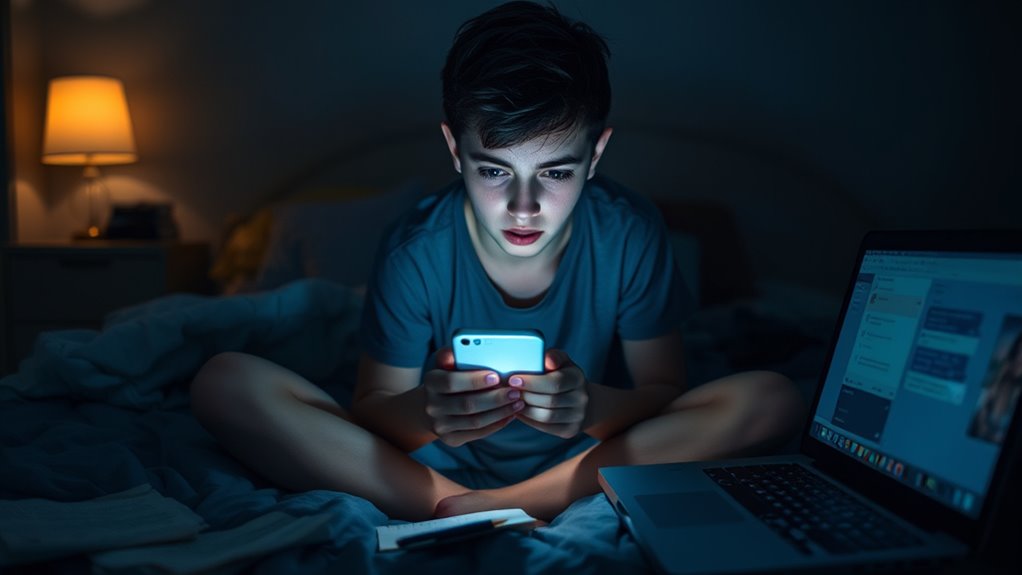

Your social media habits often reflect the interpersonal struggles associated with BPD, such as fears of abandonment, trust issues, and emotional instability. You might post or check your accounts frequently to seek reassurance or distraction from conflicts, which can heighten relationship stress. Online behaviors may intensify jealousy and misunderstandings with loved ones. Understanding these patterns can help you manage your digital interactions more healthily—continue exploring to learn strategies for better emotional regulation and relationship stability.
Key Takeaways
- Online behaviors like frequent posting or deleting reflect underlying relationship instability and fears of abandonment in individuals with BPD.
- Social media use often serves as a validation tool, temporarily soothing emotional distress but reinforcing dependency and emotional dysregulation.
- Digital interactions can intensify insecurity, jealousy, and conflicts, complicating close relationships for people with BPD.
- Impulsive online activity and reassurance-seeking behaviors may escalate relationship conflicts and hinder trust-building.
- Therapeutic strategies focus on increasing self-awareness, boundary-setting, and emotion regulation to mitigate negative online relationship impacts.

WayCare 15-25 Miles Long Range Mobility Scooter,Weight Capacity 300 LBS+ Powered Mobility Scooters for Seniors, Compact Duty Mobile for Travel with LED Headlight and Detachable Basket(Red)
WAYCARE Mobility Scooter: Equipped with a powerful 24V 250W motor and a 12AH battery, it delivers impressive performance...
As an affiliate, we earn on qualifying purchases.
How Social Media Use Reflects Interpersonal Challenges in BPD
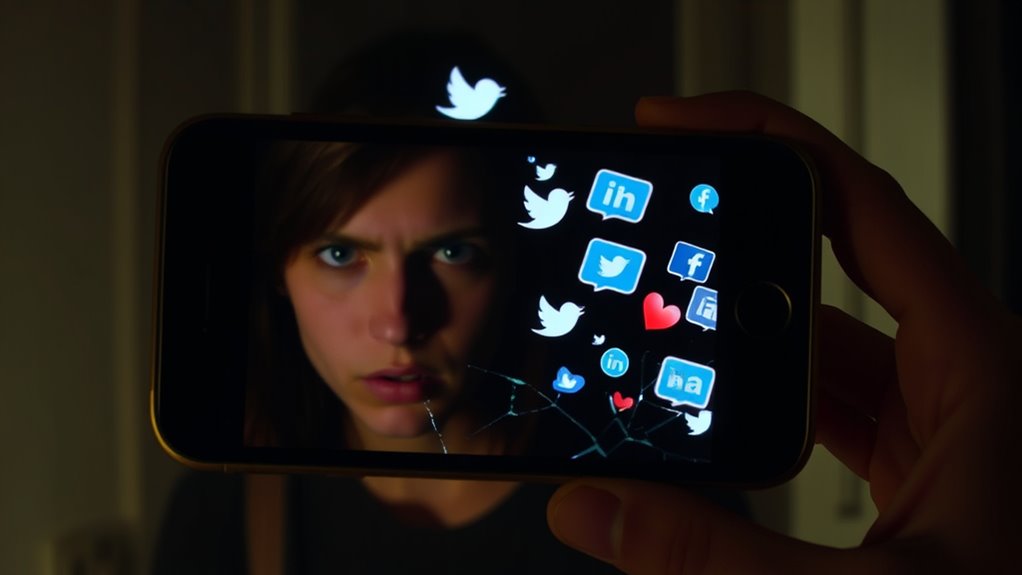
Have you ever wondered how social media behaviors reveal underlying interpersonal struggles in individuals with BPD? When you notice someone posting frequently, editing, or deleting posts, it often signals difficulties in offline relationships. These behaviors reflect an intense need for connection and reassurance, often driven by fears of abandonment. Social media becomes a space where they seek validation or distraction from conflicts and emotional turmoil. Their social networks tend to include more former partners and conflict-prone relationships, highlighting instability. The frequent engagement may also indicate struggles with self-esteem and a desire to manage emotional distress. Overall, these online patterns mirror real-life challenges—difficulty maintaining stable, satisfying relationships and coping with interpersonal rejection or criticism.

Lightweight Mobility Scooter for Seniors & Adults - Cruise & Airport Approved, 43lb Foldable Portable Motorized Scooters with Removable Lithium Battery for 12.4 Miles Travel, 300lb Capacity, Red
Upgraded Lightweight: This upgraded mobility scooters features 24V 12AH removable lithium battery weighing just 5 lbs—72% lighter than...
As an affiliate, we earn on qualifying purchases.
Emotional Motivations Behind Online Engagement for Individuals With BPD

Individuals with BPD often turn to social media to fulfill deep-seated emotional needs, especially fears of abandonment and rejection. You might seek reassurance by posting frequently or checking for validation from others, hoping to feel connected and valued. Social media provides a quick way to soothe feelings of emptiness or instability by gaining external affirmation. You may also use online platforms to distract yourself from interpersonal conflicts or negative emotions, finding temporary relief in likes and comments. This behavior often stems from a desire to control or stabilize your emotional state, but it can reinforce dependency on external validation. Ultimately, your online engagement is driven by an urgent need for connection, reassurance, and a sense of worth, which are core struggles linked to BPD.

Lightweight Mobility Scooter for Adults & Seniors - Cruise & Airport Approved, 43lb Foldable Portable Motorized Scooters with Removable Lithium Battery for 12.4 Miles Travel, 300lb Capacity, Black
Upgraded Lightweight: This upgraded mobility scooters features 24V 12AH removable lithium battery weighing just 5 lbs—72% lighter than...
As an affiliate, we earn on qualifying purchases.
The Role of Social Media in Romantic and Close Relationships With BPD
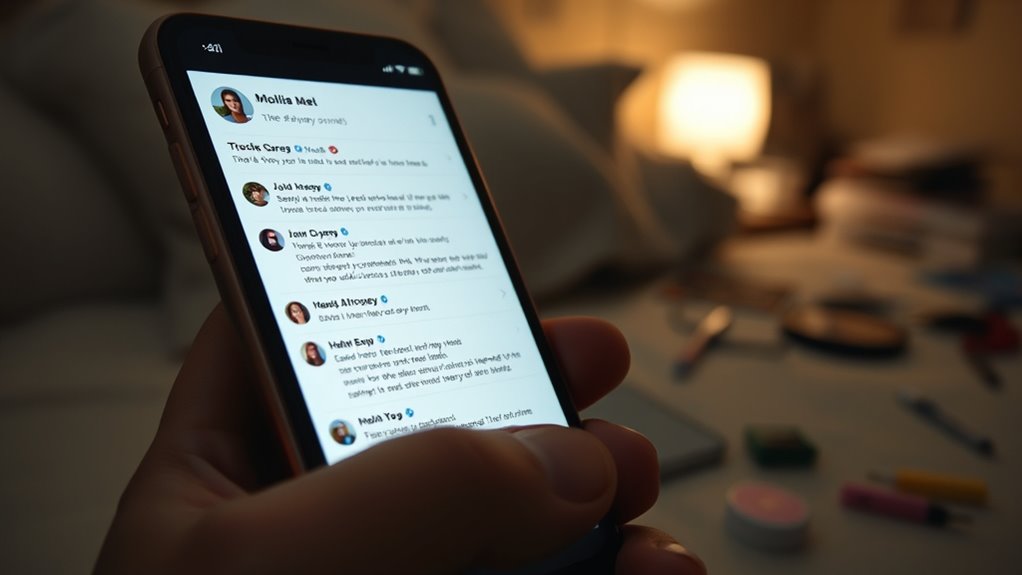
Romantic and close relationships involving people with BPD are often characterized by heightened instability and intense emotional fluctuations, and social media plays a significant role in these patterns. Online interactions can amplify feelings of insecurity, jealousy, and fear of abandonment, making relationships more volatile. You might find yourself repeatedly seeking reassurance or obsessively checking your partner’s online activity, which can escalate conflicts. Social media also blurs boundaries, leading to misunderstandings or misinterpretations that fuel mistrust. The impulsivity associated with BPD can cause rapid shifts from idealization to devaluation of your partner, often driven by online exchanges. These digital behaviors can reinforce emotional dysregulation, making it harder to establish stability and trust in your romantic and close relationships.

DUMOS Power Lift Recliner Chair with Vibration Massage and Heat for Elderly, Ergonomic Overstuffed Breathable Fabric Reclining Chair with 3 Pockets, Remote Control, Living Room, Bedroom, Grey
[Multi-function Massage Realiner] It has 8 powerful upgraded vibration massage motors, 4 customizable zone settings for back, lumbar,...
As an affiliate, we earn on qualifying purchases.
Social Media Addiction and Emotional Regulation Difficulties in BPD

The emotional turbulence and instability often experienced in BPD relationships can lead to compulsive social media use as a way to cope. You might find yourself endlessly checking notifications, seeking reassurance, or posting to feel connected. This behavior can create a cycle where mood swings trigger more online activity, reinforcing addiction. You rely on social media to soothe fears of abandonment or to manage emotional distress, but it often worsens feelings of emptiness or dependency. The table below illustrates common patterns:
| Behavior | Motivation | Consequence |
|---|---|---|
| Excessive posting | Seeking validation | Increased anxiety and regret |
| Constant checking | Reassurance needs | Mood swings and frustration |
| Avoidance of offline feelings | Distraction | Escalation of emotional dysregulation |
| Dependency on online feedback | Mood regulation | Reinforced addictive patterns |
Therapeutic Strategies for Managing Online Behaviors in BPD

Managing online behaviors in BPD requires targeted therapeutic strategies that address the emotional and interpersonal challenges underlying social media use. You should focus on building self-awareness about your online habits and the emotions driving them. Techniques like mindfulness can help you recognize urges to seek validation or avoid distress, allowing you to pause before impulsive actions. Incorporating digital literacy into therapy can teach you healthy boundaries, helping you differentiate between online and offline relationships. Skills training in emotion regulation and interpersonal effectiveness, such as Dialectical Behavior Therapy (DBT), can reduce impulsivity and improve your ability to manage conflicts online. Regularly reviewing your social media activity with a therapist can uncover patterns and triggers, guiding you toward healthier engagement and stronger, more stable relationships both online and offline.
Frequently Asked Questions
How Does BPD Influence Online Communication Styles and Tone?
Your BPD traits influence your online communication style by making you more impulsive and emotionally reactive. You might post frequently, seek validation, and edit or delete posts out of regret. Your tone can shift rapidly, swinging between idealization and devaluation of others. You often use social media to soothe fears of abandonment, which may lead to intense, sometimes problematic interactions that reflect your inner emotional struggles.
Can Social Media Habits Predict Severity of BPD Symptoms?
Your social media habits can serve as subtle signals of your inner emotional landscape, hinting at the severity of BPD symptoms. Frequent online activity, especially seeking reassurance or validation, may indicate heightened emotional struggles. If you notice yourself relying heavily on social media for mood regulation or connection, it could reflect more intense BPD traits. Recognizing these patterns helps you and your therapist address underlying issues before they deepen.
What Interventions Effectively Reduce Problematic Online Behaviors in BPD?
You can reduce problematic online behaviors in BPD by implementing targeted interventions like dialectical behavior therapy (DBT), which enhances emotional regulation and distress tolerance. Setting clear boundaries around social media use, practicing mindfulness, and developing self-awareness help manage impulsivity and validation-seeking. Additionally, monitoring online activity and seeking support from mental health professionals can address underlying emotional needs, promoting healthier online habits and improving interpersonal stability.
How Does Social Media Use Affect Self-Identity Development in BPD?
You might notice that BPD individuals often use social media for validation and reassurance, which can hinder authentic self-identity development. About 60% of those with BPD traits report using social media to cope with self-esteem issues. This reliance on external validation can blur your sense of self, making it harder to establish a stable identity offline. Over time, this pattern may reinforce identity confusion and emotional instability.
Are There Specific Social Media Platforms More Linked to Bpd-Related Issues?
You might notice that platforms emphasizing visual content, like Instagram or TikTok, are more linked to BPD-related issues because they trigger impulsivity, appearance concerns, and validation-seeking behaviors. These platforms can intensify feelings of insecurity and dependency on external approval, making it harder to manage emotional dysregulation. If you use these platforms, be mindful of how they impact your mood, self-esteem, and relationships, and consider setting healthy boundaries.
Conclusion
Think of social media as a mirror reflecting your inner landscape. When used mindfully, it can illuminate your strengths and foster genuine connections. But if unchecked, it becomes a storm that stirs emotional chaos, making your relationships fragile like delicate glass. Remember, you hold the key to steering this digital maze. By understanding your emotional compass, you can transform social media from a turbulent sea into a steady lighthouse guiding you toward healthier, more fulfilling relationships.