

When both partners have BPD, your relationship can face intense emotional swings, misunderstandings, and cycles of conflict that seem endless. You may struggle with emotional dysregulation, reactive behaviors, and fears of abandonment, making trust difficult. To navigate this, it’s essential to seek specialized therapy like couples DBT, focus on validation, and create routines for stability. With commitment and support, you can foster resilience and build a healthier connection—exploring effective strategies that may help along the way.
Key Takeaways
- Mutual emotional volatility can create cycles of instability, making trust and communication difficult to sustain.
- Both partners’ symptoms may reinforce each other’s distress, heightening conflict and emotional chaos.
- Specialized couples therapy, like DBT adaptations, can help manage impulsivity and improve emotional regulation.
- Establishing routines, validating each other’s feelings, and external support systems foster stability and resilience.
- Patience, commitment, and targeted strategies are essential to maintain connection and promote long-term growth.

The High-Conflict Couple: A Dialectical Behavior Therapy Guide to Finding Peace, Intimacy, and Validation
Used Book in Good Condition
As an affiliate, we earn on qualifying purchases.
As an affiliate, we earn on qualifying purchases.
Understanding the Dynamics of Dual-BPD Relationships

When both partners have BPD, their emotional and relational patterns often intertwine in complex ways that can amplify existing challenges. You might find yourselves caught in cycles of intense emotional reactions, where each partner’s mood swings trigger the other’s. This mutual emotional volatility can create a rollercoaster of closeness and withdrawal, making it hard to establish stable connection. Because both partners struggle with emotional regulation, misunderstandings escalate quickly, and conflict can spiral out of control. You may notice that symptoms like fear of abandonment and impulsivity are heightened, fueling mistrust and insecurity. This dynamic often leads to a pattern of reinforcing each other’s distress, making it difficult to break free from cycles of chaos. Understanding these intertwined patterns is essential to finding effective ways to manage the relationship.

The Dialectical Behavior Therapy Skills Workbook: Practical DBT Exercises for Learning Mindfulness, Interpersonal Effectiveness, Emotion Regulation, and Distress Tolerance
As an affiliate, we earn on qualifying purchases.
As an affiliate, we earn on qualifying purchases.
Common Relationship Challenges Faced by Both Partners

When both partners have BPD, you may find yourselves caught in cycles of intense emotional swings that are hard to control. Communication often breaks down as feelings of fear and misunderstanding escalate conflicts. These mutual fears of abandonment can deepen your struggles, making it difficult to maintain stability or trust in the relationship.
Intense Emotional Fluctuations
Intense emotional fluctuations are a hallmark challenge in relationships where both partners have BPD. You may experience rapid mood swings, shifting from feelings of closeness to anger or despair in moments. These emotional highs can make you feel connected and understood, but they’re often followed by sudden lows that leave you feeling abandoned or overwhelmed. Both of you might struggle to regulate these intense feelings, leading to unpredictable interactions. This cycle can create a rollercoaster of emotions, making stability feel impossible. You might find yourselves caught in a pattern of overreactions, misunderstandings, or impulsive behaviors fueled by these fluctuations. Without awareness and support, these emotional swings can deepen the instability and strain the relationship’s foundation.
Communication Breakdown Cycles
Communication breakdown cycles are a common challenge in relationships where both partners have BPD, often fueled by heightened emotional reactivity and difficulty in managing intense feelings. These cycles can trap you both in recurring conflicts, making resolution seem impossible. To break free, consider these strategies:
- Recognize patterns early—notice when emotions escalate and take a pause before responding.
- Use validation—acknowledge each other’s feelings without judgment, reducing defensiveness.
- Establish safe communication routines—set aside time for calm conversations and agree on ground rules.
Mutual Fear of Abandonment
Mutual fear of abandonment is a pervasive challenge in relationships where both partners have BPD, often fueling a cycle of clinginess and push-away behaviors. You may find yourselves desperately holding on during moments of vulnerability, fearing separation if you don’t. This intense anxiety can lead to over-communicating, testing boundaries, or withdrawing to avoid abandonment. Both of you might react defensively, misinterpreting each other’s actions as signs of rejection. The fear becomes a shared storm, making it difficult to establish trust and emotional safety. To break this cycle, you need to recognize these patterns and develop healthier ways to respond. Building mutual understanding, practicing patience, and seeking external support can help you both manage your fears without sacrificing the stability of your relationship.
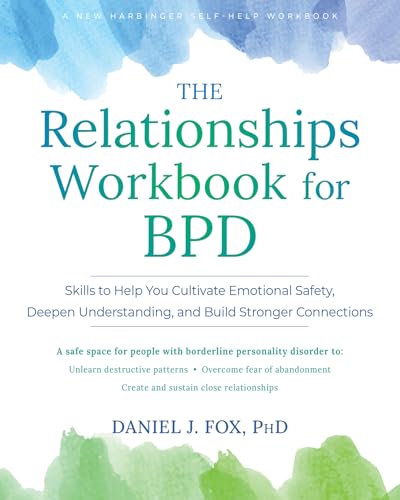
The Relationships Workbook for BPD: Skills to Cultivate Emotional Safety, Deepen Understanding, and Build Stronger Connections
As an affiliate, we earn on qualifying purchases.
As an affiliate, we earn on qualifying purchases.
The Impact of Emotional Dysregulation on Couple Interactions

When both partners have BPD, emotional volatility often creates intense cycles of closeness and withdrawal that can escalate conflicts quickly. You might notice patterns where mood swings trigger reactive behaviors, leading to repeated misunderstandings. Recognizing these cycles is key to breaking the escalation and fostering healthier interactions.
Emotional Volatility Cycles
Emotional dysregulation in individuals with BPD often triggers cyclical patterns that deeply influence couple interactions. When both partners experience intense mood swings, these cycles can create unpredictable, fluctuating patterns that challenge stability. You might feel caught in a loop of emotional highs and lows, making it difficult to find consistent connection. To better understand these cycles, consider:
- The surge of intimacy during emotional highs, which can quickly shift to withdrawal or anger.
- The tendency for mood swings to reinforce feelings of insecurity and fears of abandonment.
- How mutual dysregulation amplifies conflicts, leading to repeated patterns of reconciliation and rupture.
Recognizing these cycles helps you anticipate emotional shifts and develop strategies to manage them, reducing the risk of escalation and fostering a more stable connection.
Conflict Escalation Patterns
Emotional dysregulation in partners with BPD often fuels conflict escalation, making it difficult to resolve disagreements peacefully. When both of you struggle with intense emotions, a minor disagreement can quickly spiral into a heated argument. Each partner’s reactions tend to be reactive and impulsive, often triggered by perceived threats or misunderstandings. You might notice patterns like accusations, shouting, or withdrawal, which escalate the tension. Because both of you experience mood swings and emotional volatility, conflicts become cyclical, with little room for resolution. These escalating patterns often leave both partners feeling misunderstood, hurt, and exhausted. Without awareness and skillful intervention, these cycles deepen emotional wounds and reinforce negative communication, making it harder to reconnect and find common ground.

Loving Someone with Quiet BPD: A Partner's Guide
As an affiliate, we earn on qualifying purchases.
As an affiliate, we earn on qualifying purchases.
Communication Patterns and Conflict Resolution Strategies

Effective communication is crucial in managing conflicts within couples where one or both partners have BPD. When both partners struggle with intense emotions, establishing healthy communication patterns becomes essential. You can focus on:
- Active Listening: Pay close attention, validate each other’s feelings, and avoid interrupting. This helps prevent misunderstandings and reduces defensiveness.
- Use “I” Statements: Express your feelings without blame, such as “I feel hurt when…” to promote openness and minimize escalation.
- Structured Conflict Resolution: Set aside dedicated time to discuss issues calmly, agree on ground rules, and avoid bringing up past conflicts during disagreements.
Emotional Validation and Building Mutual Support

Building mutual support in a relationship where both partners have BPD requires a foundation of genuine emotional validation. You need to acknowledge each other’s feelings without judgment, which helps reduce misunderstandings and emotional escalation. Actively listening and reflecting your partner’s experiences shows you value their emotions, fostering trust. Remember, validation doesn’t mean agreeing with everything but recognizing their emotional reality. When both partners practice validation, it creates a safe space for vulnerability and connection. This mutual support counters the cycle of invalidation and emotional volatility typical in dual-BPD relationships. Consistently validating each other’s feelings helps build resilience, making it easier to navigate conflicts and intense emotions. Over time, this emotional support strengthens your bond, encouraging growth, understanding, and shared coping.
Therapeutic Approaches and External Resources for Dual-BPD Couples

Couples where both partners have BPD can benefit considerably from targeted therapeutic approaches and external support systems. These resources can help you develop healthier communication, emotional regulation, and mutual understanding.
Both partners with BPD can find support through specialized therapy and community resources.
- Dialectical Behavior Therapy (DBT) for Couples: This adaptation focuses on improving emotion regulation and reducing impulsivity within the relationship, fostering stability.
- Couples Therapy with a BPD Specialist: Working with a therapist experienced in BPD helps you address relational patterns, manage conflicts, and build trust.
- Support Groups and Psychoeducation: Connecting with others facing similar challenges provides validation, shared strategies, and emotional reinforcement.
Utilizing these approaches can reduce conflict, improve connection, and promote resilience, making your relationship more sustainable.
Fostering Growth, Resilience, and Long-term Stability

Despite the challenges posed by BPD symptoms, long-term stability and growth are achievable when both partners commit to intentional strategies. Focus on developing shared communication skills, especially validating each other’s emotions, to create a supportive environment. Establish routines that promote consistency and predictability, reducing emotional chaos. Seek therapy together to learn tools for emotional regulation and conflict resolution, which strengthens your bond. Celebrate progress, no matter how small, to build resilience and confidence. Prioritize self-care and individual growth, recognizing that personal stability contributes to the relationship’s health. Maintain open, honest dialogue about fears and needs, fostering mutual understanding. With patience, commitment, and adaptive coping, you can navigate BPD’s complexities and cultivate a resilient, connected partnership.
Frequently Asked Questions
How Do Dual-Bpd Couples Initiate and Maintain Effective Long-Term Treatment?
You should start by openly communicating your shared commitment to treatment and setting mutual goals. Seek a therapist experienced with BPD couples and attend sessions together regularly. Support each other by practicing patience, validating emotions, and applying coping strategies outside therapy. Consistently reinforce progress, celebrate small victories, and stay flexible. Maintaining a strong, honest partnership and prioritizing ongoing therapy helps both of you stay engaged and motivated for long-term success.
What Are Signs of Emotional Burnout in Couples Both Managing BPD?
You notice signs of emotional burnout when both of you feel overwhelmed, exhausted, or emotionally numb. You might struggle to respond to each other’s needs, experience increased irritability, or feel detached from the relationship. Communication becomes strained, and repeated conflicts drain your energy. You may also feel hopeless or question whether you can sustain the relationship. Recognizing these signs early allows you to seek support and implement self-care strategies to prevent further burnout.
How Can Partners Balance Independence and Intimacy With BPD Symptoms?
You can balance independence and intimacy by setting clear boundaries and respecting each other’s need for space. Communicate openly about your feelings and triggers, and develop routines that support both connection and autonomy. Practice active listening and validate each other’s emotions without becoming overly involved or distant. Using shared coping strategies and therapy can also strengthen your bond while maintaining individual growth and emotional safety.
Are There Specific Routines or Practices That Help Stabilize Dual-Bpd Relationships?
You can stabilize dual-BPD relationships by establishing daily routines, practicing consistent communication, and maintaining emotional check-ins. Setting regular times for shared activities, expressing feelings openly, and using grounding techniques help both partners manage mood swings. Prioritize self-care, seek joint therapy, and create predictable patterns that foster safety and trust. These practices build stability, reduce conflict, and strengthen your connection amid emotional volatility.
How Does Co-Parenting Work When Both Partners Have BPD Traits?
Co-parenting when both partners have BPD traits can be tough, but it’s manageable with open communication, consistent routines, and shared understanding. You need to prioritize stability, set clear boundaries, and practice emotional regulation together. Seek external support like therapy to develop coping strategies and reduce conflicts. Remember, working as a team, maintaining patience, and focusing on your children’s needs can help create a more balanced and nurturing environment despite the challenges.
Conclusion
Guiding a dual-BPD relationship demands dedication, patience, and persistent partnership. By prioritizing honest communication, embracing emotional empathy, and seeking supportive strategies, you can build a bond that’s resilient and rewarding. Remember, with mutual mindfulness and meaningful movement toward growth, you’re capable of cultivating compassion, connection, and stability. Together, you’ll turn turbulence into trust, transforming challenges into chances for deepening your shared journey. Keep caring, connecting, and creating a compassionate co-existence.