To manage BPD at home, practice mindfulness meditation daily by focusing on your breath and noticing when your mind wanders. Use breathing techniques like slow inhales and longer exhales to calm stress quickly. Keep a daily emotions journal to track patterns and triggers, and apply distress tolerance skills such as distraction or grounding during emotional spikes. Setting clear boundaries helps protect your well-being. Keep exploring these tools to strengthen your skills and find more effective strategies.
Key Takeaways
- Practice mindfulness meditation daily to enhance emotional awareness and cultivate calmness at home.
- Use breathing techniques, such as slow inhalations and exhalations, to manage stress and regulate emotions.
- Maintain an emotion journal to track triggers and patterns, supporting emotional regulation skills.
- Apply distress tolerance strategies like grounding, self-soothing, and distraction during emotional crises.
- Set and reinforce personal boundaries to prevent overcommitment and promote self-care in daily life.
Practicing Mindfulness Meditation at Home

Practicing mindfulness meditation at home is an effective way to manage emotional dysregulation associated with BPD. You begin by finding a quiet space where you won’t be disturbed. Sit comfortably, close your eyes, and focus on your breath. Take slow, deep breaths, paying attention to the sensation of air entering and leaving your body. When your mind drifts, gently redirect it back to your breath without judgment. Consistency is key—aim to meditate daily, even if only for a few minutes. Over time, this practice helps you become more aware of your emotional states and reduces impulsive reactions. It also cultivates a sense of calm, making it easier to navigate intense feelings during challenging moments.
Developing Present-Moment Awareness Daily

Building on your mindfulness meditation practice, developing present-moment awareness daily helps you stay grounded throughout the day. It encourages you to focus on what’s happening now, rather than drifting into worries or past regrets. This daily habit creates a sense of calm and clarity, reducing emotional reactivity. To deepen this practice, consider these feelings you might experience:
| Emotion | How it feels in the present moment |
|---|---|
| Calm | A quiet mind, steady breath, centered in your body |
| Overwhelmed | Racing thoughts, tight chest, difficulty focusing |
| Hope | A gentle sense that things will improve, a small smile forming |
Utilizing Breathing Techniques for Stress Relief

Breathing techniques are powerful tools for managing stress and calming the mind in the moment. When you feel overwhelmed, focus on slow, deep breaths to activate your body’s relaxation response. Try inhaling deeply through your nose for four seconds, holding your breath for four seconds, then exhaling slowly through your mouth for six seconds. Repeat this cycle several times until you notice your heart rate slowing and your mind relaxing. You can also practice diaphragmatic breathing, where you breathe deeply into your belly rather than your chest. These techniques help reduce anxiety, improve emotional regulation, and bring you back to the present. Incorporate breathing exercises into your daily routine or use them during stressful situations to maintain emotional balance.
Applying Distress Tolerance Strategies in Daily Life
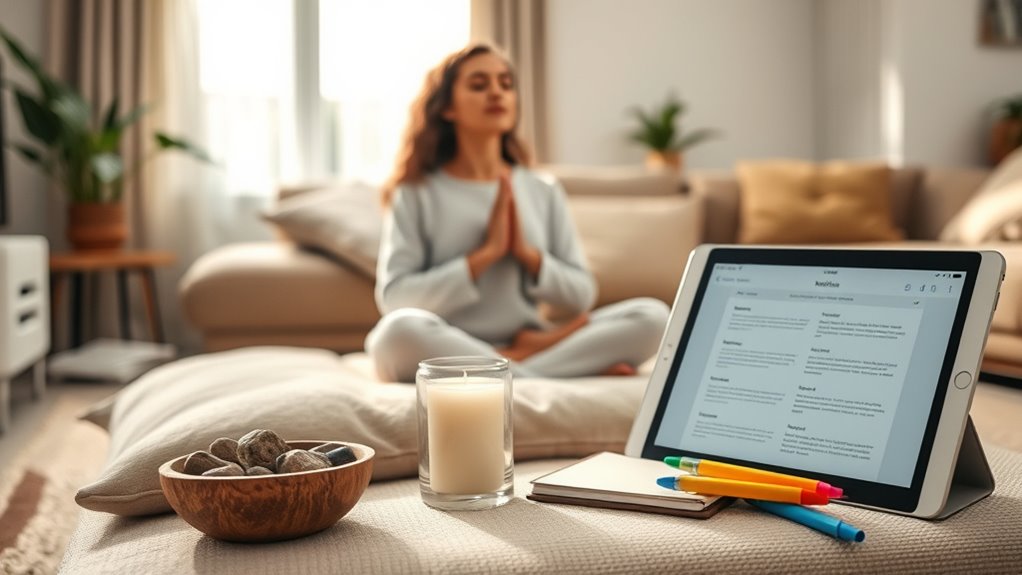
Applying distress tolerance strategies in daily life involves intentionally using specific skills to manage intense emotions when they arise. You can start by distracting yourself with activities like solving puzzles or going for a walk to shift focus away from overwhelming feelings. Self-soothing exercises, such as taking a warm bath or listening to calming music, help calm your body and mind. When faced with distressing situations, try improving the moment by engaging in pleasurable activities or practicing radical acceptance—acknowledging reality without judgment. Crisis survival skills, like deep breathing or grounding techniques, enable you to navigate emotional crises without harmful behaviors. Consistently applying these skills helps you build resilience, making challenging moments more manageable over time.
Tracking Emotions to Enhance Regulation Skills

Keeping a daily emotion journal helps you identify patterns and understand your triggers. Recognizing these emotional trends makes it easier to manage your reactions effectively. Using visual tracking tools can provide a clear overview of your progress and areas needing attention.
Daily Emotion Journaling
Daily emotion journaling is a powerful tool to enhance your emotional regulation skills by increasing awareness of your feelings and patterns. When you record your emotions daily, you gain insight into how certain events impact you. This practice helps you recognize triggers, intensity levels, and common emotional responses. To get started, consider these steps:
- Write down the date, situation, and your initial emotional reaction.
- Describe the intensity of your feelings on a scale of 1-10.
- Note any thoughts or behaviors linked to your emotions.
Recognize Emotional Patterns
Recognizing emotional patterns builds on your emotion journaling by helping you see recurring themes and triggers over time. When you review your journal entries regularly, you start to notice common feelings that surface in similar situations. For example, you might see that certain conflicts trigger feelings of anger or abandonment. Identifying these patterns allows you to anticipate emotional responses and prepare coping strategies. It also reveals underlying causes you might not have noticed before. By understanding these recurring themes, you gain better insight into your emotional landscape. This awareness is essential for improving your regulation skills because it helps you respond more thoughtfully instead of reacting impulsively. Recognizing these patterns empowers you to take control of your emotional responses and build resilience.
Use Visual Tracking Tools
Using visual tracking tools can substantially improve your ability to manage emotions by providing clear, immediate insights into your emotional patterns. These tools help you identify triggers, recognize shifts in mood, and monitor progress over time. To get started, try:
- Emotion Charts: Use colorful charts to record daily mood levels and note specific feelings.
- Journaling: Keep a simple journal to log emotional changes, triggers, and responses throughout the day.
- Mood Trackers: Use apps or printable logs to visualize patterns and identify recurring emotional themes.
Consistently using these tools makes it easier to understand your emotional landscape, which enhances your regulation skills and promotes emotional stability. The visual cues serve as reminders and motivators for ongoing self-awareness and growth.
Building Assertiveness and Boundary Setting Skills

Building assertiveness and setting boundaries starts with learning clear communication techniques so others understand your needs. Recognizing your personal limits helps you protect your well-being and avoid burnout. Practice saying no confidently to maintain healthy relationships and respect your own boundaries.
Clear Communication Techniques
Effective communication is essential for expressing your needs and maintaining healthy relationships, especially when it comes to asserting yourself and setting boundaries. Clear communication helps others understand your limits and reduces misunderstandings. To improve these skills, try practicing:
- Using “I” Statements: Express your feelings and needs directly without blaming others.
- Maintaining Calm Tone and Body Language: Stay composed to ensure your message is understood and respected.
- Asking for What You Need Clearly: Be specific about your requests and boundaries, avoiding vague language.
Practicing these techniques daily can help you become more assertive and confident in expressing yourself. Remember, clear communication fosters respect and understanding, making your relationships healthier and more balanced.
Recognizing Personal Limits
Recognizing your personal limits is essential for establishing healthy boundaries and asserting yourself confidently. When you understand what feels manageable and what overwhelms you, you can communicate those boundaries clearly to others. Pay attention to your emotional and physical responses in different situations—if you feel anxious, drained, or resentful, it’s a sign you may need to set a limit. Practice checking in with yourself regularly to identify your needs and tolerances. By knowing your boundaries, you can prevent overcommitting and protect your well-being. Building awareness of your limits helps you respond assertively rather than reactively, fostering healthier relationships and reducing stress. Remember, setting boundaries is a way to honor yourself and maintain balance.
Practicing Saying No
Learning to say no is a vital skill for setting boundaries and maintaining your well-being. It helps you protect your energy and prevents burnout. To build this skill, try these steps:
- Identify your limits before committing to something. Recognize what feels manageable and what doesn’t.
- Practice assertive responses like, “I can’t do that right now,” or “I’m not able to, but I appreciate you asking.”
- Use consistent language to reinforce your boundaries. Saying no calmly and clearly helps others understand and respect your limits.
Frequently Asked Questions
How Often Should I Practice These DBT Exercises for Best Results?
You should practice DBT exercises daily to see the best results. Incorporate mindfulness, distress tolerance, emotional regulation, and interpersonal skills into your routine, aiming for consistency. Even short, regular sessions can build new habits and improve emotional stability over time. Remember, the more committed you are to practicing these skills regularly, the more effective they’ll be in managing your BPD symptoms and enhancing your overall well-being.
Can These Exercises Replace Traditional Therapy or Medication?
No, these exercises can’t replace traditional therapy or medication. They’re helpful tools to supplement your treatment, but professional therapy and medication are essential for managing BPD effectively. You should work with your healthcare provider to develop a thorough plan that includes these exercises alongside ongoing therapy and possibly medication. Combining these approaches offers the best chance for stability, emotional regulation, and long-term management of your symptoms.
What Should I Do if I Struggle With Practicing Mindfulness Alone?
When the going gets tough, the tough get going. If you struggle with practicing mindfulness alone, start small and be patient. Use guided meditations or apps to provide structure and support. Set a regular time each day, create a quiet space, and remind yourself that progress takes time. Remember, even a few minutes of focused breathing can make a big difference in calming your mind.
How Do I Handle Setbacks or Emotional Triggers During Practice?
When setbacks or emotional triggers happen during practice, acknowledge them without judgment. Take a deep breath, and gently redirect your focus back to your breath or present-moment awareness. Remind yourself that setbacks are normal and part of learning. Use your crisis survival skills or self-soothing exercises to ground yourself. With patience, you’ll gradually build resilience, making it easier to manage triggers and stay committed to your practice.
Are There Any Recommended Resources or Apps to Support At-Home DBT Exercises?
Yes, there are great resources and apps to support your at-home DBT practice. You can try apps like MoodTools, DBT Diary Card, or Youper, which offer guided exercises, mood tracking, and skill reminders. Additionally, websites like the Linehan Institute provide worksheets and tools. Using these resources regularly helps reinforce your skills, stay organized, and maintain motivation as you work towards managing your emotions and behaviors.
Conclusion
By incorporating these at-home DBT exercises into your routine, you’re taking meaningful steps toward managing BPD more effectively. Remember, change takes time, but your commitment makes a difference. Will you prioritize these practices today to build resilience and emotional stability? Stay consistent, be patient with yourself, and trust the process—your journey toward better mental health is within reach. You’ve got this!