
Social media can intensify BPD symptoms by triggering emotional swings, worsening self-image, and creating unstable relationships online. When you compare yourself to curated posts or seek constant reassurance, it can increase feelings of inadequacy, anger, or loneliness. impulsive posts driven by intense feelings often lead to regret, which worsens your emotional state. Although online support can help, it also risks reinforcing negative patterns. Keep exploring to learn how digital life impacts your well-being and ways to navigate it safely.
Key Takeaways
- Excessive social media use can heighten emotional responses, triggering mood swings and worsening BPD symptoms.
- Online interactions may reinforce instability in relationships, leading to increased feelings of abandonment or rejection.
- Comparing oneself to curated online content can worsen self-esteem and deepen emotional distress.
- Impulsive posting driven by intense feelings often results in regret, amplifying shame and self-criticism.
- While social media offers support, unmoderated interactions can expose individuals to harmful content, potentially intensifying symptoms.

hand2mind Express Your Feelings Journal, Emotions Journal for Kids with Feelings Wheel, Social Emotional Books for Kids, Growth Mindset for Kids, Mindfulness for Kids, Calm Down Corner Supplies
KIDS JOURNAL WITH PROMPTS: Using prompts and activities, the Express Your Feelings Journal encourages children to engage with…
As an affiliate, we earn on qualifying purchases.
As an affiliate, we earn on qualifying purchases.
The Link Between Social Media Engagement and Emotional Fluctuations in BPD

Social media engagement can substantially influence emotional fluctuations in individuals with BPD traits. When you spend more time online, you may experience heightened emotional responses, both positive and negative. Impulsive posting, common in BPD, often leads to regret or intensified feelings afterward. Seeking validation or reassurance online can create a cycle of emotional highs and lows, especially if interactions are inconsistent or hurtful. The constant exposure to social stimuli can amplify feelings of insecurity, anger, or sadness. You might notice that your mood swings become more intense after engaging with social media, as your emotional state reacts to likes, comments, or online conflicts. Ultimately, social media can serve as both a trigger and a mirror for your fluctuating emotions, deepening your internal emotional rollercoaster.

Resilient You: Practical Techniques for Boosting Self-Esteem : Harnessing Self-Compassion, Overcoming Anxiety, and Healing Your Inner Child Through Actionable Habits (Italian Edition)
As an affiliate, we earn on qualifying purchases.
As an affiliate, we earn on qualifying purchases.
How Online Interactions Reflect and Amplify Interpersonal Challenges
Online interactions often mirror the interpersonal difficulties faced by individuals with BPD, making underlying challenges more visible and immediate. You may see your unstable relationship patterns reflected in frequent online quarrels or sudden withdrawal. Hostility and sensitivity can escalate disagreements, fueling feelings of abandonment or rejection. To visualize this, consider the following:
| Conflict Type | Online Expression | Emotional Impact |
|---|---|---|
| Instability | Rapid shifts between closeness and distance | Anxiety, confusion |
| Hostility | Aggressive comments or messages | Guilt, shame |
| Sensitivity | Overreaction to perceived slights | Emotional distress |
These online exchanges often intensify your existing struggles, exposing vulnerabilities and reinforcing negative patterns. The digital environment magnifies your interpersonal challenges, making them more immediate and harder to manage.
online support groups for BPD
As an affiliate, we earn on qualifying purchases.
As an affiliate, we earn on qualifying purchases.
The Role of Social Media in Reinforcing Self-Image and Self-Esteem Issues

Social media often encourages you to compare yourself to others, which can deepen feelings of insecurity and self-doubt. As you scroll, you might start to distort your self-image based on curated posts and idealized images. These comparison traps and image distortions can profoundly impact your self-esteem and emotional well-being.
Social Comparison Traps
Because social media platforms are designed to highlight curated highlight reels of others’ lives, they often reinforce harmful self-image and self-esteem issues, especially for individuals with BPD. You may find yourself constantly comparing your real life to others’ polished posts, feeling inadequate or rejected. This comparison fuels feelings of shame, emptiness, and self-doubt, worsening your emotional instability. When you see others’ successes or perfect images, you might believe you’re falling short, which can intensify your fear of abandonment and rejection. These social comparison traps trap you in a cycle of negative self-evaluation, making it harder to maintain a stable self-image. Over time, this can deepen your emotional distress and reinforce the distorted view you have of yourself.
Image Distortion Effects
Social media often presents highly curated images and stories that can distort how you see yourself. When you compare your reality to these polished portrayals, your self-esteem may suffer, reinforcing feelings of inadequacy. You might start believing that you should look or act a certain way, which isn’t true or achievable. This distortion deepens your self-image issues and fuels emotional distress. To illustrate, consider the table below:
| Perfect Photos | Idealized Lives | Filtered Faces |
|---|---|---|
| Unrealistic beauty | Dream lifestyles | Concealed flaws |
| Impossibly flawless | Success stories | Youthful glow |
| Edited images | Happy moments only | No signs of struggle |
| Perfect body shape | Wealth displays | Effortless confidence |
| Always happy | Social validation | Masked insecurities |
This skewed view can make you feel worse about yourself and intensify BPD symptoms.

How to Break Up with Your Phone, Revised Edition: The 30-Day Digital Detox Plan
As an affiliate, we earn on qualifying purchases.
As an affiliate, we earn on qualifying purchases.
Impulsivity and Regret: Risks of Spontaneous Posting and Its Consequences
When you post spontaneously on social media, your impulsive urges can lead to unexpected consequences. You might feel immediate relief or validation, but regret often follows if you share something you weren’t ready to reveal. These impulsive actions can intensify emotional distress and affect your self-image over time.
Impulsive Posting Triggers
Impulsivity, a core feature of BPD, often drives you to post spontaneously on social media without fully considering the consequences. You might share a private thought or an emotional outburst in the heat of the moment, seeking immediate relief or validation. These impulsive posts can be triggered by intense feelings like anger, shame, or loneliness, making you act without thinking about how others will perceive or respond. Sometimes, you post to gain reassurance or to connect quickly, but this can backfire when you realize the impact of your words or images. The urge to share impulsively is often driven by a desire to escape emotional discomfort or to feel a sense of control, even if it leads to regret afterward.
Emotional Consequences of Regret
Spontaneous social media posts driven by impulsivity often lead to intense feelings of regret afterward. You might share something in the heat of the moment, only to realize later that it was hurtful or misunderstood. This impulsive act can leave you feeling vulnerable, ashamed, or overwhelmed by negative emotions. Regret intensifies when your post triggers a backlash or deepens interpersonal conflicts, which are common in BPD. The emotional pain from these moments can spiral into self-criticism and heightened distress. Over time, this cycle of impulsive posting and subsequent regret can erode your self-esteem and deepen feelings of shame. Recognizing this pattern is essential to managing your emotional responses and developing healthier ways to handle your impulses online.
Social Media as a Double-Edged Sword for Social Connection and Isolation

Social media can both foster a sense of connection and deepen feelings of isolation for individuals with BPD. On one hand, it provides a platform to find support, share experiences, and maintain relationships that might be difficult offline. You may feel understood and less alone when engaging with online communities that relate to your struggles. However, social media can also intensify feelings of loneliness and rejection. You might obsess over perceived slights, compare yourself negatively to others, or seek reassurance that rarely satisfies. Impulsive posts or reactions can lead to misunderstandings, worsening interpersonal conflicts. The cycle of craving connection yet feeling disconnected can heighten emotional distress, making social media both a refuge and a source of frustration and isolation.
Recognizing Signs of Social Media-Related Distress in BPD Symptoms

Recognizing signs of social media-related distress in individuals with BPD is crucial because online interactions can profoundly impact their emotional well-being. You might notice sudden mood swings after social media use, such as feeling intensely happy or deeply upset. Look for impulsive posting or deleting comments, which can signal emotional dysregulation. Feelings of regret, shame, or guilt following online exchanges are common indicators of distress. Pay attention to heightened sensitivity to online comments or messages, especially if they trigger fears of abandonment or rejection. Increased hostility or online conflicts may also reflect underlying interpersonal difficulties. Additionally, excessive reassurance-seeking or compulsive checking can signal a reliance on social media for validation. Recognizing these signs helps in understanding how digital interactions influence BPD symptoms.
Therapeutic Opportunities and Risks of Digital Support Networks

Have you considered how digital support networks can serve as valuable tools in managing BPD? These online platforms connect you with others who understand your experiences, offering emotional support and validation. They can help reduce feelings of isolation, provide coping strategies, and foster a sense of community. However, there are risks to be mindful of, such as exposure to triggering content, validation of harmful behaviors, or dependence on online interactions instead of real-life connections. It’s essential to set boundaries and seek guidance from mental health professionals when engaging with these networks. When used thoughtfully, digital support networks can complement therapy, offering immediate support and enhancing your sense of belonging. Balance and awareness are key to maximizing benefits while minimizing potential harm.
Future Directions for Research and Intervention in Digital Contexts
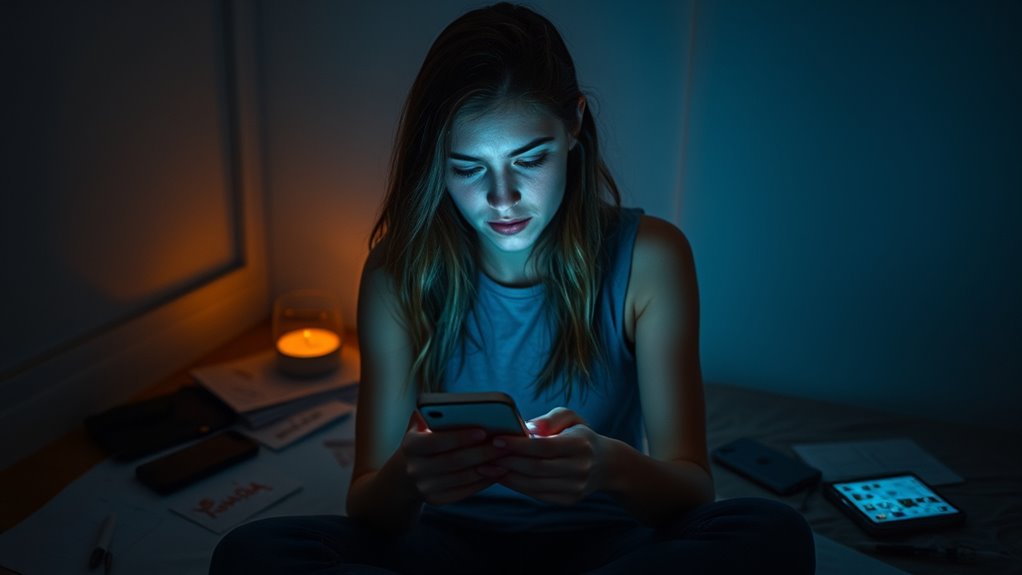
Future research and interventions in digital contexts hold great potential for enhancing BPD management by harnessing technology’s capabilities. You can explore longitudinal studies to track how social media impacts BPD symptoms over time, revealing patterns and risk factors. Developing targeted interventions, like digital tools or apps, can help individuals manage impulsive online behaviors and emotional distress. Investigating how different social media platforms uniquely influence BPD symptoms allows for more tailored approaches. Cultural considerations can improve intervention relevance across diverse populations. Integrating neuroscientific insights can deepen understanding of neural responses to online interactions. You might also leverage social media data to personalize therapy, identify warning signs early, and strengthen support networks. These directions aim to improve accuracy, accessibility, and effectiveness in BPD treatment within the digital landscape.
Frequently Asked Questions
How Does Social Media Use Influence Emotional Stability in BPD Individuals?
Your social media use can profoundly impact your emotional stability if you have BPD. It often amplifies mood swings, triggers feelings of guilt and shame, and intensifies emotional distress. Impulsive posting and seeking reassurance can lead to rapid fluctuations in your mood. Social media might offer temporary relief, but it can also deepen your emotional struggles, making it harder to maintain stability unless you use it mindfully or with therapeutic support.
Can Online Interactions Predict Escalation of Interpersonal Conflicts in BPD?
Imagine you’re living in a world where your online interactions are like a crystal ball, revealing when conflicts might escalate. You can often predict tension brewing by noticing impulsive posts, heightened emotional responses, or sudden shifts in tone. These cues signal potential conflict flare-ups, especially in BPD. Recognizing these patterns helps you intervene early, de-escalate disputes, and foster healthier relationships online before disagreements spiral out of control.
What Are the Signs of Social Media-Induced Self-Esteem Issues in BPD?
You might notice your self-esteem fluctuating rapidly after social media use. You could feel more self-critical or compare yourself negatively to others, leading to feelings of inadequacy. Posting impulsively and later regretting it may also lower your confidence. If you seek constant reassurance or feel worse about yourself after online interactions, these are signs social media could be damaging your self-esteem, especially if you already struggle with self-image issues.
How Does Impulsive Posting on Social Media Impact Mental Health in BPD?
Impulsive posting on social media can worsen your mental health if you have BPD. It often leads to feelings of regret, guilt, or shame afterward, which intensifies emotional distress. This impulsivity can also trigger mood swings and amplify existing interpersonal difficulties, making you feel more unstable and anxious. Over time, these reactions may contribute to increased self-criticism, depression, and a heightened sense of vulnerability, affecting your overall well-being.
Are Digital Support Networks Effective and Safe for BPD Treatment?
Digital support networks can be a double-edged sword, like walking a tightrope. They offer accessible, immediate connection, which can be comforting and empowering for you. However, they may also expose you to triggers or negative interactions if not carefully managed. When used with caution and professional guidance, these platforms can be a safe, valuable supplement to your BPD treatment, fostering understanding and reducing feelings of isolation.
Conclusion
As you navigate the digital landscape, remember it’s like walking a delicate tightrope woven with shimmering threads of connection and shadows of turbulence. While social media can brighten your day with moments of joy, it can also stir storms within, amplifying your emotional waves. By staying mindful of how online interactions influence your inner world, you can find balance—guiding your journey through the digital sky with gentle awareness and hope.