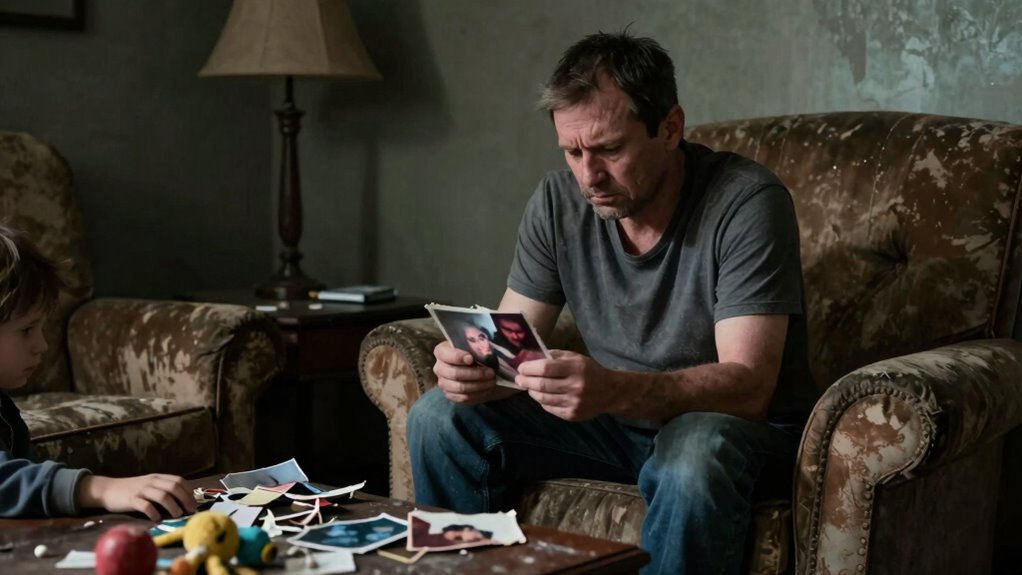

Living with a borderline father means you likely remember unpredictable outbursts that create constant tension and emotional exhaustion. You develop heightened sensitivity and hyper-vigilance, always trying to anticipate his reactions to avoid conflict. These experiences often leave you feeling guilt, shame, and questions about your worth. Despite the pain, many develop resilience and learn to set boundaries. If you want to understand how these memories shape your adult relationships and healing, keep exploring these challenges.

Turn your wind-down time into listening time
- Thousands of audiobooks, podcasts and originals
- Listen on your phone, tablet or Echo — also offline
- Cancel anytime
Key Takeaways
- Adult children recall unpredictable, intense anger episodes that created a constant state of emotional tension and fear.
- Memories often include hyper-vigilance and anxiety about anticipating their father’s emotional outbursts.
- Many internalized guilt and shame, questioning their actions and worth due to their father’s volatile reactions.
- Feelings of emotional exhaustion and confusion are common, impacting their ability to trust and form stable relationships.
- Some remember developing resilience and boundaries as coping mechanisms to protect themselves from ongoing anger.
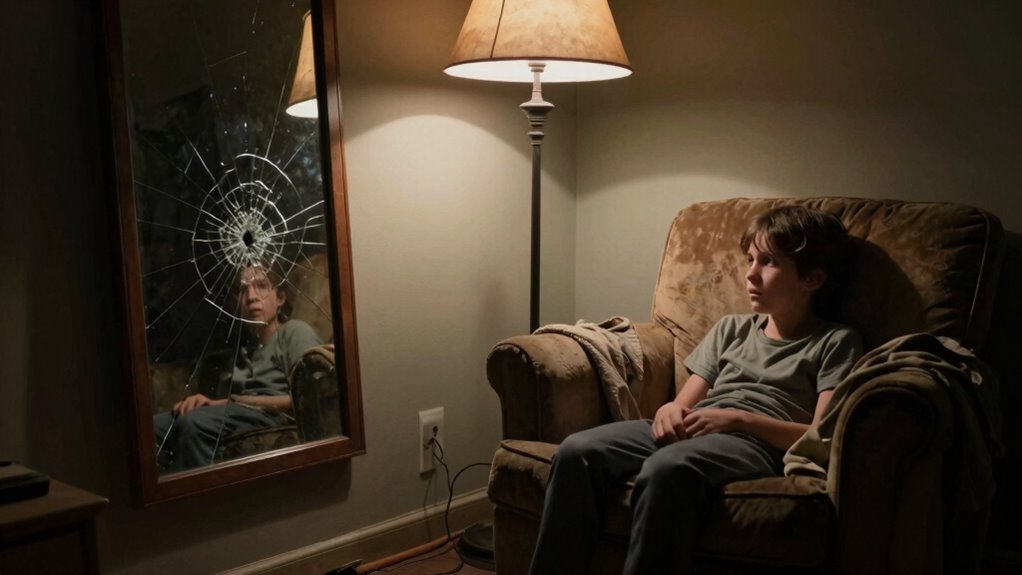
Dealing with a borderline father can be incredibly challenging, especially when anger frequently erupts. His unpredictable outbursts can make you feel as if you’re walking on a tightrope, unsure of when the next explosion might happen. These moments often leave you feeling overwhelmed, confused, and emotionally drained. It’s in these times that emotional regulation becomes crucial, both for him and for you. When your father struggles to manage his own emotions, it’s easy for his anger to spill over, making it difficult for you to maintain your composure. The constant parenting challenges you face aren’t just about managing his mood; they’re about protecting your own mental health and learning how to navigate a relationship filled with volatility.
You might remember the times when you tried to reason with him, only to be met with anger or dismissiveness. It’s common for children of borderline fathers to develop a heightened sensitivity to emotional cues, trying to anticipate his reactions to prevent conflict. The unpredictability of his anger can lead you to feel anxious or hyper-vigilant, always on edge, waiting for the next episode. These experiences shape how you see yourself and influence your own emotional regulation skills. Because you often had to self-soothe and manage your feelings in a turbulent environment, you might find yourself repeating these patterns in your adult relationships. It’s a cycle born from the parenting challenges you endured, where your father’s inability to handle his own emotional states forced you to become more attuned to emotional regulation, often at the expense of your own stability. Recognizing the importance of emotional regulation can be a vital step toward healing. Additionally, understanding the impact of childhood experiences on adult relationships can help in healing and breaking free from these patterns.
The complexity of having a borderline father is that his anger is rarely about you personally, but that doesn’t always make it easier to accept or ignore. You may have internalized feelings of guilt or shame, questioning what you did wrong to trigger his wrath. These memories can linger, shaping your understanding of love and conflict. Despite these difficulties, many adult children of borderline fathers develop resilience. They learn to set boundaries, recognize the signs of emotional dysregulation, and carve out spaces for their own healing. The journey involves understanding that his anger isn’t a reflection of your worth but a manifestation of his struggles. Acknowledging the importance of boundaries can be an empowering step in your healing process. Moreover, seeking support through therapy or counseling can provide tools to better cope with these challenging dynamics and foster emotional growth.
emotional regulation tools for adults
As an affiliate, we earn on qualifying purchases.
As an affiliate, we earn on qualifying purchases.
Frequently Asked Questions
How Does a Borderline Father’s Anger Affect Childhood Development?
Your borderline father’s anger disrupts your emotional regulation, making it harder to manage feelings calmly. This constant chaos can weaken childhood resilience, leaving you feeling insecure and anxious. You might grow up fearing unpredictable outbursts, which impacts your ability to trust and form stable relationships. Over time, these experiences shape how you handle stress and emotions, often leading to long-lasting effects on your mental health and development.
Can Adult Children Heal From a Borderline Father’s Anger?
Seventy percent of adult children report some healing from their childhood wounds, showing hope for recovery. You can heal from a borderline father’s anger by addressing generational trauma and building emotional resilience. It takes time, but therapy, support systems, and self-awareness help you process past pain and reclaim your well-being. Remember, healing isn’t linear, but with effort, you can break the cycle and foster healthier emotional patterns.
What Warning Signs Indicate a Borderline Father’s Anger Issues?
Warning signs of a borderline father’s anger issues include emotional manipulation and unpredictable outbursts. You might notice him trying to control your feelings or guilt-trip you during calm moments. His reactions may seem disproportionate or sudden, leaving you feeling anxious or confused. Recognizing these signs early helps you understand his behavior and set boundaries, protecting your emotional well-being from ongoing harm.
How to Cope With Ongoing Anger From a Borderline Father?
To cope with ongoing anger from a borderline father, focus on building emotional resilience and setting firm boundaries. Recognize his triggers and avoid escalating conflicts. Practice self-care and stay emotionally grounded, knowing you can’t control his reactions. Establish clear limits on unacceptable behavior and communicate them calmly. Remember, protecting your well-being is essential, and seeking support from a therapist or support group can help you navigate these challenging dynamics.
Is Therapy Effective for Families Dealing With a Borderline Father’s Anger?
Yes, therapy can be effective for families dealing with a borderline father’s anger, especially when you focus on establishing emotional boundaries and strengthening your support networks. Some worry therapy won’t change your father’s behavior, but it helps you learn coping strategies and communicate better. By working with a therapist, you and your family can create a safer environment, making it easier to manage anger and build healthier relationships.
Conclusion
You stand in a vast, stormy sea, memories pounding like relentless waves. Your father’s anger was the tempest, fierce and unpredictable, carving scars in your soul. Yet, like a lighthouse guiding you through darkness, understanding begins to shine, offering hope amid the chaos. Though the storm never fully quiets, you learn to navigate the waters, steady and resilient, forging your own calm. In this voyage, healing becomes your anchor, and peace, your destination.
Fall Picks
fall essentials
As an affiliate, we earn on qualifying purchases.