A borderline father’s unpredictable moods and intense reactions can create a very unstable emotional environment, making you feel unsure about your safety and self-worth. You may find yourself constantly trying to read signals or avoid triggers, which leads to a fragile sense of security. Over time, this can increase sensitivity to criticism and foster feelings of inadequacy. Understanding how these patterns develop can help you find ways to rebuild your emotional resilience and regain control—if you look further, you’ll learn more.

Turn your wind-down time into listening time
- Thousands of audiobooks, podcasts and originals
- Listen on your phone, tablet or Echo — also offline
- Cancel anytime
Key Takeaways
- A borderline father’s unpredictable moods create an unstable environment, undermining a child’s sense of safety and emotional security.
- Their intense emotional reactions can lead to feelings of confusion, fear, and inconsistency in a child’s attachment experiences.
- Constantly monitoring and adjusting to a father’s triggers fosters hyper-vigilance, impairing trust and stability.
- The unpredictable environment can cause long-term insecurities, sensitivity to criticism, and difficulties in forming healthy relationships.
- Children may develop coping mechanisms like emotional withdrawal or people-pleasing to manage the instability.
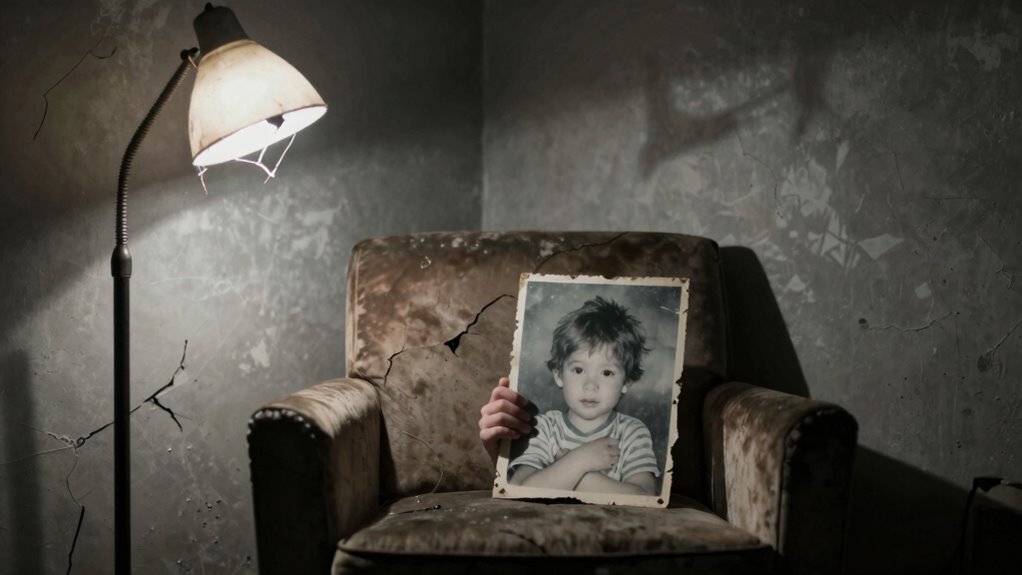
Dealing with a borderline father can considerably impact your sense of emotional security, often leaving you feeling uncertain or anxious about your worth and stability. When your father’s mood swings, unpredictable reactions, or intense emotions dominate your environment, it’s natural to question your place and value. This ongoing uncertainty can shape how you perceive yourself and the world around you. You might find yourself constantly trying to read his signals or avoid triggering his anger, which can create a fragile sense of safety. Over time, these experiences can influence your emotional development, making you more sensitive to criticism or rejection and sometimes leading to feelings of inadequacy or self-doubt.
Growing up with a borderline father can shake your sense of safety, leaving you anxious and questioning your self-worth.
The impact on child development in such situations is profound. Growing up in an unstable emotional environment can hinder your ability to develop healthy relationships later in life. You may struggle with trust, fearing abandonment or rejection, or find it difficult to establish boundaries because your early experiences taught you to be hyper-vigilant or overly accommodating. You might also develop coping mechanisms that serve you in childhood but become problematic in adulthood, such as emotional withdrawal or people-pleasing behaviors. These patterns can make it hard to form secure attachments, perpetuating a cycle of insecurity. Recognizing the importance of trauma management techniques can be a crucial step toward healing and gaining emotional resilience. Additionally, understanding the effects of emotional instability can empower you to identify and address the root causes of your feelings.
Furthermore, being aware of intergenerational trauma can help you understand how these patterns may have been passed down and how they influence your current emotional responses. Recognizing your experiences is an essential step toward healing. Developing effective coping strategies can help you regain a sense of control and emotional stability. It’s also helpful to understand that attachment styles formed early in life can significantly influence adult relationships, making awareness of these patterns essential for growth. Recognize that your father’s behavior is a reflection of his struggles, not your worth. Seek support from trusted friends or mental health professionals who can validate your feelings and help you process your experiences. Building a strong sense of self through self-care, setting boundaries, and practicing mindfulness can also foster resilience.
In addition, emotional regulation techniques can be particularly effective in managing reactions to unpredictable behaviors. It’s important to establish routines and environments where you feel safe and valued, counteracting the unpredictability you may have grown up with.
Remember that you aren’t alone, and there are ways to strengthen your emotional security despite a challenging past. You can learn to separate your identity from your father’s fluctuating emotions, cultivating confidence in your own stability and worth. By actively working on your emotional health and adopting healthy coping strategies, you can break free from the patterns set in childhood and create a more secure, balanced sense of self. The journey may be gradual, but with persistence, you can rebuild your emotional foundation and foster healthier relationships moving forward.
emotional resilience self-help book
As an affiliate, we earn on qualifying purchases.
As an affiliate, we earn on qualifying purchases.
Frequently Asked Questions
Can a Child Outgrow the Effects of a Borderline Father’s Behavior?
Yes, you can outgrow the effects of a borderline father’s behavior, but it takes effort. Your childhood resilience plays a key role in healing from emotional manipulation. You might need therapy to process past wounds, develop healthy boundaries, and rebuild trust in yourself. Over time, understanding your experiences helps diminish the impact of your father’s actions, allowing you to create a more stable emotional future.
How Does a Borderline Father’s Behavior Impact Sibling Relationships?
A borderline father’s unpredictable behavior can turn sibling relationships into a minefield, sparking rivalry and jealousy. His mood swings often lead to parental favoritism, where one sibling feels neglected or unfairly treated. This volatile environment makes siblings struggle to trust each other, creating rifts that can last a lifetime. You might find yourselves caught in a tug-of-war, trying to navigate your bond amid the chaos he leaves behind.
Are There Specific Signs of Emotional Insecurity Caused by a Borderline Father?
Yes, you might notice signs of emotional insecurity caused by a borderline father, like feeling anxious or unsure about your worth. Parental manipulation and emotional neglect can lead you to doubt your feelings or question your stability. You may struggle with trust, fear abandonment, or feel overly responsible for his moods. These signs often stem from inconsistent support and emotional inconsistency, leaving you searching for a sense of safety and validation.
What Are Effective Coping Strategies for Children of Borderline Fathers?
You can build emotional resilience by setting clear parenting boundaries with your father, resisting his emotional rollercoaster. Practice self-care, seek support from trusted friends or counselors, and learn to detach from his unpredictable reactions. Remember, protecting your mental health isn’t selfish—it’s essential. By establishing boundaries and focusing on your well-being, you empower yourself to navigate his behavior while maintaining stability and emotional strength.
Can Therapy Help Rebuild Emotional Security After Childhood With a Borderline Father?
Yes, therapy can help rebuild your emotional security after childhood with a borderline father. It strengthens your emotional resilience by helping you process past experiences and develop healthier coping skills. Therapy also supports trust rebuilding, allowing you to form secure relationships and regain confidence in your emotional stability. Through guided support, you learn to understand your feelings better and create a more secure foundation for your emotional well-being.
Conclusion
You might never realize how often a borderline father’s unpredictable moods shape your sense of safety, like a shadow lurking behind every door. It’s as if the unpredictable weather outside mirrors your inner world—sometimes stormy, sometimes calm. But just as the sun eventually breaks through the clouds, healing begins when you recognize these patterns. With time and understanding, you can find stability, even when life once felt like a constant storm, and finally create your own safe space.
Fall Picks
fall essentials
As an affiliate, we earn on qualifying purchases.