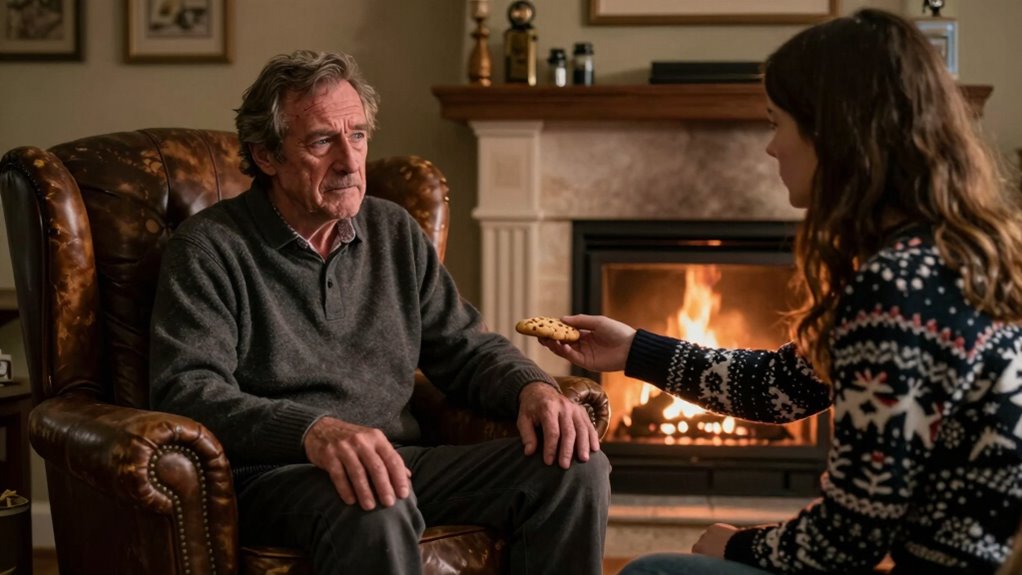

Holiday visits can unexpectedly trigger old wounds with your dad by bringing past conflicts, unmet expectations, and familiar family traditions to the surface. You might find yourself reacting emotionally to familiar triggers like holiday dinner conversations or gift exchanges, which remind you of past disappointments or feelings of being overlooked. These moments often stir up rivalry, jealousy, or frustration, making it hard to enjoy the season. If you want to understand how to navigate these challenges better, keep exploring.

Turn your wind-down time into listening time
- Thousands of audiobooks, podcasts and originals
- Listen on your phone, tablet or Echo — also offline
- Cancel anytime
Key Takeaways
- Family traditions may remind individuals of past disappointments or emotional neglect from their dad.
- Holiday interactions can evoke unresolved conflicts and feelings of being overlooked or misunderstood.
- Reactions from dad during gatherings can trigger memories of disappointment or emotional distance.
- Sibling rivalry and comparisons often resurface, intensifying feelings of inadequacy or jealousy.
- Attempting to maintain civility while suppressing feelings can lead to emotional strain and unresolved wounds.
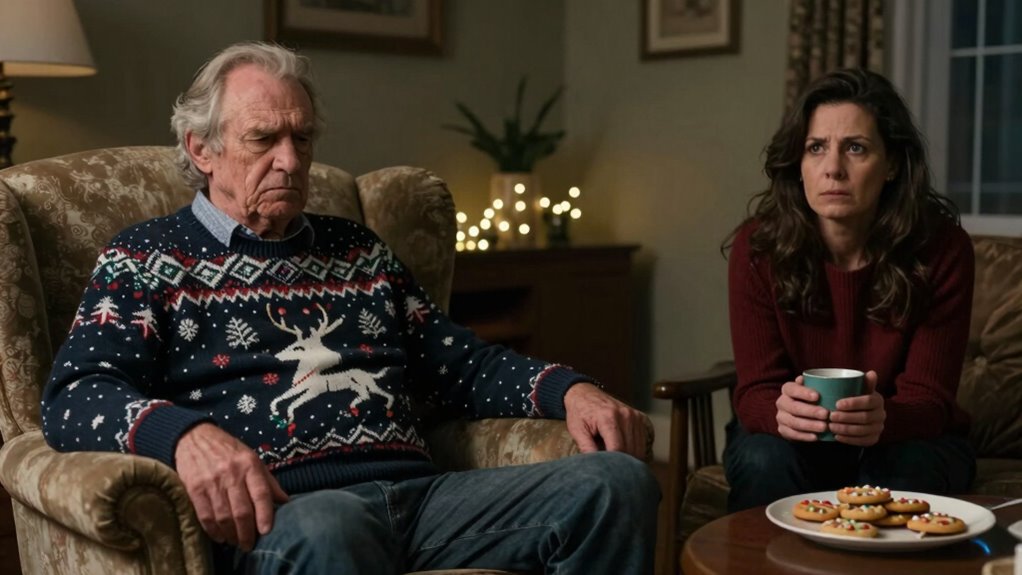
Holidays often bring families together, but for many, these reunions can also reopen old wounds, especially when it comes to dad. You might find yourself reminiscing about past conflicts or feeling the weight of unresolved issues that seem to surface during these gatherings. It’s common to notice how sibling rivalry intensifies during family visits, as old comparisons and competition resurface amid the holiday cheer. These moments can make you feel caught between wanting to enjoy the festivities and managing the underlying tensions that have lingered for years.
Family traditions, which are meant to foster connection, can sometimes highlight the gaps between you and your dad. Perhaps there’s a tradition you cherish deeply, but it’s also a reminder of the times you felt overlooked or misunderstood. When family members gather around traditions like holiday dinners or gift exchanges, it’s easy to feel thrown back into familiar patterns of disappointment or frustration. Your dad’s reactions—whether distant or overly critical—may trigger memories of past disappointments, making it hard to enjoy the moment fully. These triggers can leave you questioning whether the effort to keep these traditions alive is worth the emotional toll they sometimes carry.
Family traditions can deepen bonds or reopen old wounds, revealing what’s been left unsaid.
During holiday visits, sibling rivalry often comes to the forefront, adding another layer of complexity to your relationship with your dad. You might notice your siblings vying for attention or approval, which can stir feelings of inadequacy or resentment, especially if you’ve long struggled to find your place in the family dynamic. These moments can remind you of childhood competitions or perceived favoritism, stirring old wounds that haven’t fully healed. When family members engage in comparisons or debate about achievements, it’s easy to feel like you’re back in a competitive environment, reigniting feelings of jealousy or inferiority that have persisted over the years. Recognizing how unresolved issues can be linked to family dynamics and emotional patterns may help you better understand these reactions.
It’s natural to want to enjoy family traditions and preserve the holiday spirit, but it can be difficult when unresolved issues with your dad resurface. You may find yourself walking a tightrope between maintaining civility and confronting long-standing grievances. Perhaps you avoid bringing up sensitive topics, but the tension still lingers, affecting the overall atmosphere. Recognizing that these old wounds are often intertwined with sibling rivalry and family traditions can help you understand why certain memories resurface during these times. Additionally, understanding the importance of emotional boundaries can empower you to protect your well-being during challenging family interactions. While it’s tempting to suppress these feelings, acknowledging them can be the first step in healing. Considering how psychological factors influence family dynamics and emotional responses may offer further insight into managing these complex interactions. The holidays may be a challenging time, but they also offer an opportunity to reflect, set boundaries, and gradually work toward a healthier relationship with your dad and your siblings.
emotional healing journal for family conflicts
As an affiliate, we earn on qualifying purchases.
As an affiliate, we earn on qualifying purchases.
Frequently Asked Questions
How Can I Prepare Emotionally Before Visiting My Dad?
To prepare emotionally before visiting your dad, focus on building emotional readiness by acknowledging your feelings and setting realistic expectations. Practice self-care strategies like deep breathing, journaling, or grounding exercises to stay centered. Remind yourself that it’s okay to protect your boundaries and take breaks if needed. By preparing in advance, you can manage your emotions better, making the visit more manageable and less overwhelming.
What Are Signs of Unresolved Issues During Family Visits?
Imagine walking on thin ice—you sense instability beneath your feet. Signs of unresolved issues during family visits include sudden tension, defensiveness, or emotional triggers like anger or silence. You might notice generational conflicts bubbling up, making conversations feel strained or impossible. If you feel yourself withdrawing or becoming overly reactive, those are clear signals unresolved issues are surfacing, threatening to crack the fragile surface of family harmony.
How Can I Set Healthy Boundaries With My Dad?
To set healthy boundaries with your dad, recognize your limits within the parent-child dynamics and communicate them clearly. Be honest about what you can handle emotionally and prioritize your well-being. Practice emotional resilience by staying calm and assertive, even if tensions arise. Remember, establishing boundaries isn’t about rejection but protecting your mental health, allowing you to navigate family interactions more comfortably and foster healthier relationships.
What Role Does Therapy Play in Healing Family Wounds?
They say “a problem shared is a problem halved,” and therapy plays a crucial role in healing family wounds. It helps you understand intergenerational trauma and build emotional resilience. Through therapy, you gain tools to process pain, set boundaries, and break destructive patterns. This journey fosters self-awareness, allowing you to heal old wounds and create healthier relationships with your family.
How Do I Handle Unexpected Emotional Reactions During Visits?
When unexpected emotional reactions occur during visits, recognize that emotional triggers are linked to family dynamics and past experiences. Take a deep breath and pause if needed, giving yourself space to process. It’s okay to step away briefly or set boundaries. Remember, staying mindful of your feelings helps you navigate the situation calmly, and if necessary, seek support afterward to process those intense emotions and protect your well-being.
Conclusion
So, next holiday visit, brace yourself—these moments can trigger a tidal wave of old wounds, turning your joyful gathering into a battlefield of emotions. But remember, you’re stronger than the ghost of past pain, and with a little humor and a lot of patience, you can turn those emotional volcanoes into tiny, manageable sparks. Embrace the chaos, because even the biggest wounds can shrink to the size of a postage stamp—smaller than your holiday dinner plate!
Halloween Picks
halloween
As an affiliate, we earn on qualifying purchases.