

Rebuilding your relationship after BPD conflicts starts with setting clear boundaries and staying consistent to create safety and trust. Practice calm, respectful communication and prioritize emotional regulation through techniques like grounding or mindfulness. Seek therapy and education to better understand BPD and develop healthy ways to connect. Remember, healing takes time and patience. If you keep working on these strategies, you’ll gradually rebuild trust and strengthen your bond with your child.
Key Takeaways
- Establish clear, consistent boundaries to create a sense of safety and predictability for your child.
- Use calm, respectful communication and active listening to rebuild trust and understanding.
- Seek therapy and family support to process past conflicts and develop emotional regulation skills.
- Practice mindfulness and grounding techniques to manage your reactions and reduce emotional reactivity.
- Reinforce positive interactions regularly to foster emotional safety, self-worth, and a healthy parent-child relationship.

Mindful Grounding Card Deck – Trauma-Sensitive Card Deck Resource for Therapists, Educators, and Parents – Guided Somatic & Mindfulness Activities for Emotional Regulation
MINDFULNESS – This simple card game is a fun and engaging way to invite people to refocus their…
As an affiliate, we earn on qualifying purchases.
As an affiliate, we earn on qualifying purchases.
Understanding the Impact of BPD on Parent-Child Relationships

Understanding how BPD affects parent-child relationships is crucial because the disorder often creates a cycle of instability and unpredictability that deeply impacts a child’s development. When you have untreated BPD, your parenting style may shift between harsh control and passive devaluation, confusing your child and disrupting their emotional growth. They might internalize feelings of inadequacy, believing their needs are unimportant. Your intense outbursts can be unpredictable, sometimes followed by withdrawal or idealization, leaving your child unsure of where they stand. This cycle of rejection and engulfment can distort their sense of identity and self-worth. As a result, your child may develop insecure attachment styles, struggle with trust, and face emotional regulation difficulties that persist into adulthood.
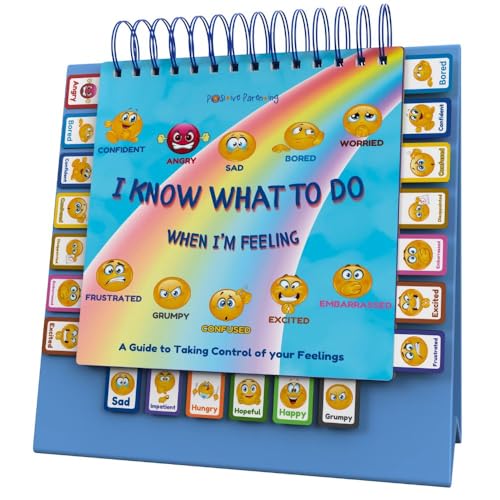
Thought-Spot I Know What to Do Flipbook | Emotions Wheel & Feelings Chart | Emotional Regulation Tool for Home, Class, or Calm Down Corner | Helps Kids Learn Coping Skills | Autism Must-Have
Understand & Express Everyday Feelings: Visually guides children ages 3–5 to recognize and name their emotions. This flipbook…
As an affiliate, we earn on qualifying purchases.
As an affiliate, we earn on qualifying purchases.
Recognizing Common Challenges in Reconciliation

Reconciliation between a parent with BPD and their child often faces significant hurdles because deep-seated mistrust and emotional wounds run beneath surface interactions. You might find it hard to believe change is possible when past behaviors repeatedly undermine progress. Emotional triggers can reignite old conflicts unexpectedly, making patience crucial. You may also struggle with inconsistent responses, which reinforce feelings of uncertainty and insecurity. Your child might be skeptical of your intentions, fearing rejection or criticism, even when you’re trying to reconnect. Both of you could experience heightened emotional reactivity, leading to misunderstandings or conflicts that seem impossible to resolve. Recognizing these common challenges helps you stay realistic about the process, reminding you that setbacks are part of healing—patience, consistency, and awareness are essential.
Setting Boundaries with Your Adult Children: Six Steps to Hope and Healing for Struggling Parents
As an affiliate, we earn on qualifying purchases.
As an affiliate, we earn on qualifying purchases.
Establishing Healthy Boundaries and Consistent Responses
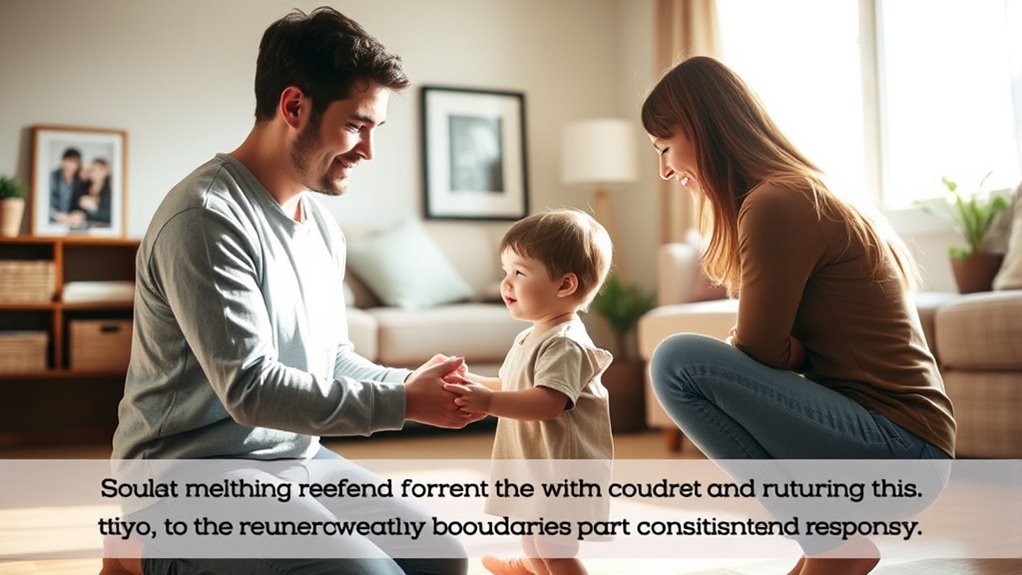
Establishing healthy boundaries and maintaining consistent responses are essential steps toward rebuilding trust and safety in your relationship. Boundaries protect both you and your child by clearly defining acceptable behaviors and personal limits. Be firm yet gentle, and communicate your boundaries calmly to avoid triggering conflict. Consistency is key—respond in the same way each time your child crosses a boundary or expresses intense emotion. This predictability helps your child feel secure and learn what to expect. Avoid reacting impulsively or emotionally, which can escalate tensions. Instead, stay grounded and use calm, measured responses. Over time, these boundaries and consistent responses create a stable environment where your child can rebuild trust, develop emotional regulation, and begin to heal from past chaos.

Adult Children of Emotionally Immature Parents: How to Heal from Distant, Rejecting, or Self-Involved Parents
As an affiliate, we earn on qualifying purchases.
As an affiliate, we earn on qualifying purchases.
Engaging in Therapy and Education for Healing

Engaging in therapy and education opens the door to healing by providing both you and your child with tools to navigate past wounds and build healthier interactions. Therapy helps you process past trauma, develop emotional regulation skills, and understand BPD’s impact on your relationship. Education about BPD symptoms and dynamics reduces blame and fosters empathy. Attending family therapy can create a safe space for honest communication and rebuilding trust. Learning healthy conflict resolution strategies and boundaries through professional guidance helps prevent old patterns from resurfacing. Support groups or psychoeducation sessions also connect you with others who understand your experience, offering validation and practical advice. Committing to ongoing learning and therapy paves the way for a more secure, compassionate relationship with your child.
Developing Emotional Regulation and Communication Skills

Developing emotional regulation and communication skills is essential for rebuilding trust and fostering a healthier relationship with your child. When you manage your emotions effectively, you create a stable environment that helps your child feel safe and understood. Practice mindfulness, deep breathing, or grounding techniques to stay calm during difficult moments. Focus on clear, respectful communication by listening actively and validating your child’s feelings without judgment. Avoid reactive responses or blaming, and instead, respond thoughtfully. Consistent self-control models healthy behavior, encouraging your child to develop their own emotional skills. Over time, these practices help break old patterns of chaos and unpredictability, laying a foundation for more trust, openness, and mutual understanding. Building these skills is a crucial step in your healing journey.
Sustaining Progress and Preventing Future Conflicts

To keep your progress steady, it’s essential to reinforce consistent boundaries that create a sense of safety. You should also focus on ongoing emotional skill building, so you and your child can handle conflicts calmly and constructively. By maintaining these practices, you’ll reduce the chances of old patterns reemerging and strengthen your relationship over time.
Consistent Boundaries Reinforcement
Maintaining consistent boundaries is essential for sustaining progress and preventing future conflicts in your relationship. When you set clear limits and follow through reliably, you create a sense of safety and predictability your child can depend on. This consistency helps counteract past chaos and instability, making it easier for your child to trust you again. Be firm yet compassionate, ensuring your boundaries are understandable and respectful. Reinforce these limits calmly, especially during challenging moments, so your child learns that rules are dependable, not fluctuating. Avoid giving in to impulsive reactions or making exceptions that weaken your boundaries. Over time, this steady reinforcement fosters a healthier dynamic, reduces misunderstandings, and supports your child’s emotional stability and growth.
Ongoing Emotional Skill Building
Building ongoing emotional skills is essential for both you and your child to sustain progress and minimize the risk of future conflicts. You need to develop and reinforce healthy ways to manage emotions, so triggers don’t escalate into arguments. Practicing mindfulness, deep breathing, or grounding techniques can help you stay calm during tense moments. Encourage your child to express feelings openly and validate their experience without judgment. Consistently applying these skills creates a stable environment where trust can rebuild. Regularly reflect on your interactions and identify patterns that lead to conflict, then actively work to change them. Seeking ongoing therapy or support groups keeps your emotional toolkit sharp. Over time, these efforts help break cycles of instability, fostering a more secure and resilient relationship.
Frequently Asked Questions
Can a Parent With Untreated BPD Fully Recover and Improve Their Parenting?
Yes, a parent with untreated BPD can improve their parenting. By seeking treatment like therapy, especially Dialectical Behavior Therapy (DBT), you can develop better emotional regulation and healthier ways to respond. Consistently setting boundaries, practicing self-awareness, and learning to manage your symptoms help create a more stable environment. While full recovery varies, ongoing effort and support can markedly enhance your relationship with your child and foster a healthier future.
How Do I Cope With Persistent Trust Issues After Bpd-Related Conflicts?
You can cope with persistent trust issues by practicing patience and self-compassion. Focus on establishing consistent, honest communication with your child, showing them you’re committed to change. Seek therapy to work through your own trust challenges and develop emotional regulation skills. Remember, rebuilding trust takes time, so celebrate small victories along the way. Stay committed to growth and understanding, and gradually, trust can begin to heal.
What Are Signs My Child’s Attachment Style Is Improving?
Congratulations, you’ve officially cracked the code! Your child’s attachment style is improving if they start trusting you more, seek comfort during stress, and show increased emotional openness. You’ll notice fewer clingy behaviors, more consistent responses, and genuine connection. It’s like watching a plant finally bloom after a long winter—only with more hugs and fewer weeds. Keep nurturing that bond, and patience will turn little steps into a big, beautiful change.
Is Reconciliation Possible Without the Parent Seeking Professional Treatment?
Reconciliation is possible without professional treatment, but it’s challenging. Your child needs consistent, safe interactions that rebuild trust and emotional security. Focus on setting clear boundaries, showing stability, and being accountable for past behaviors. While therapy can accelerate healing, your genuine efforts to understand their feelings and avoid old patterns can foster growth. Patience, empathy, and ongoing self-awareness are key to gradually restoring your relationship.
How Long Does Healing Typically Take in Parent-Child Relationships Affected by BPD?
Healing is like tending a fragile garden; it takes time—often months or even years—depending on effort and consistency. Your relationship’s growth depends on cultivating trust, understanding, and boundaries. Patience is essential, as blooms of connection gradually emerge through ongoing work, therapy, and honest communication. Remember, each small step, like watering a plant, helps rebuild a strong, resilient bond that can flourish despite past storms.
Conclusion
Think of rebuilding your relationship like tending a fragile garden. With patience, consistent care, and understanding, you nurture trust and growth from the rocky soil of past conflicts. Every small act of compassion is like watering a vulnerable sprout, helping it flourish despite the storms. Stay committed to nourishing your bond, and over time, you’ll see your love blossom into a resilient, vibrant garden—one that withstands any future storms, stronger and more beautiful than before.