

Caring for your elderly mother with BPD involves understanding how symptoms change with age, such as fewer impulsive acts but more somatic complaints and feelings of worthlessness. Stay calm during emotional swings and set gentle boundaries while actively listening. Managing caregiver stress through support groups and self-care is essential, as is exploring tailored therapies and medication options. Learning effective strategies to handle tough interactions can make a big difference—continue exploring for more insights on providing compassionate care.
Key Takeaways
- Recognize subtle signs like somatic complaints and mood shifts to accurately identify BPD in older adults.
- Establish clear communication routines and boundaries to manage challenging behaviors effectively.
- Prioritize caregiver self-care and seek support from mental health professionals or support groups.
- Use calm, consistent responses and active listening to de-escalate conflicts and reduce emotional volatility.
- Collaborate with a multidisciplinary team for tailored treatment plans addressing both BPD symptoms and comorbidities.
Understanding BPD in Older Adults

Understanding BPD in older adults is crucial because its presentation can differ from that in younger individuals, often leading to underrecognition. You might notice that symptoms like impulsivity and intense anger, common in younger people, are less prominent in the elderly. Instead, older adults often display emotional instability through somatic complaints—persistent health issues with no clear medical cause—and negative thought patterns. Depression frequently co-occurs, making it harder to differentiate BPD from mood disorders. Additionally, suicidal behaviors tend to decrease with age, but somatization and feelings of worthlessness may increase. Recognizing these subtle signs requires careful observation, as they can be mistaken for typical aging or other medical conditions. Understanding these differences helps you better identify and support elderly individuals living with BPD.
Recognizing Behavioral and Emotional Signs

Recognizing behavioral and emotional signs in elderly mothers with BPD can be challenging because their symptoms often differ from those seen in younger adults. You might notice increased somatic complaints, such as frequent health issues or exaggerated physical symptoms that seem disproportionate. Emotional instability may present as sudden mood shifts, irritability, or intense reactions to minor conflicts. Watch for fluctuating attitudes toward you—sometimes affectionate, other times hostile or accusatory. Attention-seeking behaviors, like frequent demands for your presence or dramatic expressions of distress, are common. Resistance to confrontation or efforts to limit your involvement can trigger hostility or threats of self-harm. Being alert to these signs helps you understand their emotional state and prepares you for timely, compassionate responses.
Navigating the Challenges of Caregiving
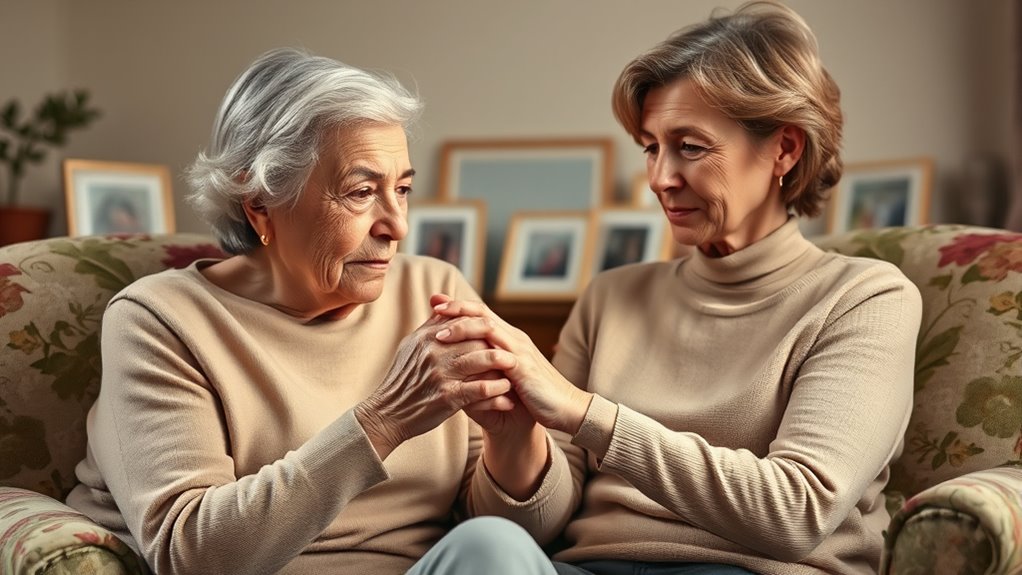
Caring for an elderly mother with BPD presents unique and ongoing challenges that require resilience and adaptability. You often face emotional swings, unpredictable behaviors, and intense demands, which can quickly drain your energy. Managing your own well-being is vital, yet difficult, as caregiving can feel overwhelming and isolating. It’s essential to set boundaries and maintain consistency to reduce conflict. Recognizing your limits helps prevent burnout and keeps you effective as a caregiver.
- Establish clear communication routines to reduce misunderstandings
- Seek support from mental health professionals or caregiver groups
- Develop safety plans for crises or self-harm threats
- Prioritize self-care to sustain your emotional and physical health
Effective Strategies for Managing Difficult Interactions

Managing difficult interactions with an elderly mother with BPD requires you to stay calm and set firm, consistent boundaries. When she becomes argumentative or emotionally volatile, avoid reacting defensively; instead, speak in a calm, steady tone. Use clear, simple language to communicate your limits and expectations without ambiguity. It’s important to remain consistent; fluctuating boundaries can increase confusion and frustration. When she demands excessive attention or accuses you unfairly, gently reinforce boundaries and redirect the conversation to neutral topics. Practice active listening to acknowledge her feelings without necessarily agreeing. If tensions escalate, take a break to cool down before re-engaging. Consistency and calmness help de-escalate conflicts, making interactions more manageable and reducing emotional distress for both of you.
Treatment Options Tailored for the Elderly

Tailoring treatment options for elderly mothers with BPD involves adapting evidence-based therapies to address age-related changes and unique symptom presentations. You need approaches that consider somatic complaints, cognitive shifts, and the altered emotional landscape of aging. Combining therapy with medication management can reduce depressive symptoms and stabilize mood. Group schema therapy shows promise in addressing longstanding patterns, while modifications to dialectical behavior therapy (DBT) help focus on emotional regulation and interpersonal skills suited for older adults. It’s also essential to monitor medication use carefully, considering increased sensitivity and potential misuse. A multidisciplinary team—including mental health professionals, nurses, and primary care providers—ensures holistic care that adapts to evolving needs and promotes safety and stability.
Adapting therapies and fostering multidisciplinary care enhances safety and stability for elderly mothers with BPD.
- Adjust therapy techniques to accommodate cognitive and sensory changes
- Incorporate psychoeducation tailored for older adults and caregivers
- Prioritize safety planning for self-harm or crisis episodes
- Foster collaborative care involving mental health, medical, and social services
Supporting Your Wellbeing and Building Resilience
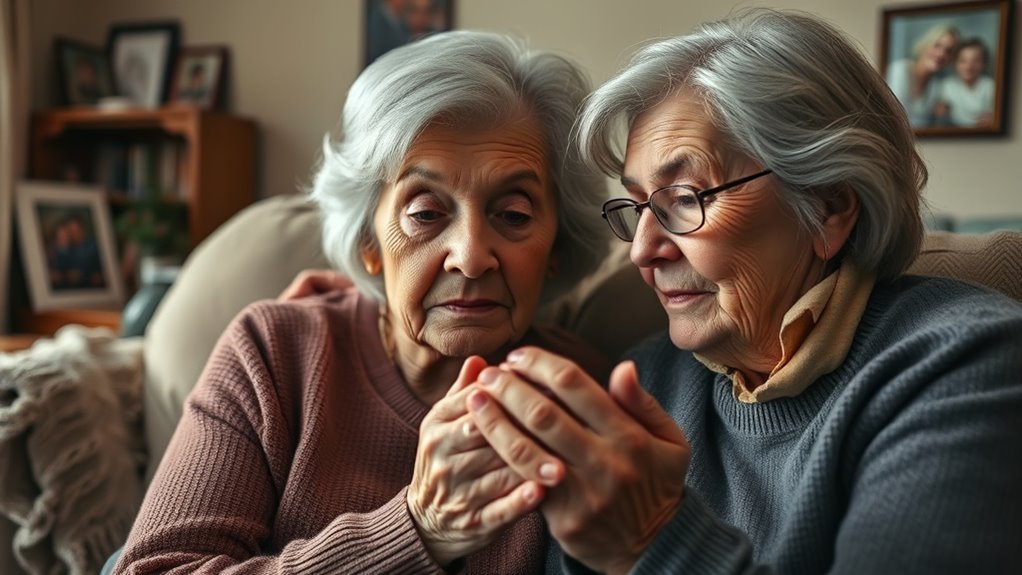
Supporting your wellbeing while caring for an elderly mother with BPD is essential to sustain your strength and resilience. Prioritize self-care by setting boundaries and carving out time for activities that recharge you, like exercise, hobbies, or rest. Seek support from friends, family, or support groups to share experiences and gain perspective. Regularly check in with a mental health professional to process your emotions and develop coping strategies. Practice mindfulness or relaxation techniques to manage stress and prevent burnout. Recognize your limits and avoid taking your mother’s behaviors personally. Maintaining a balanced routine helps you stay focused and emotionally stable. Remember, caring for yourself isn’t selfish—it’s crucial for providing consistent, compassionate care to your mother.
Frequently Asked Questions
How Can I Differentiate BPD Symptoms From Other Mental Health Issues in the Elderly?
You can differentiate BPD symptoms from other mental health issues in the elderly by observing persistent emotional instability, intense interpersonal conflicts, and identity disturbances, which are hallmark traits. Look for mood swings, fear of abandonment, and impulsivity that aren’t solely linked to depression or anxiety. Note somatic complaints and negative thoughts, common in BPD, but differentiate them from mood episodes or cognitive decline seen in other disorders. A professional assessment helps confirm the diagnosis.
What Legal Considerations Are Involved in Caring for an Elderly Mother With BPD?
You need to understand your mother’s legal capacity to make decisions, which may involve assessments for guardianship or power of attorney. Confirm her rights are protected while managing her safety, especially if her BPD symptoms impair judgment. Consult legal professionals to navigate consent, healthcare directives, and financial management. Document her preferences and decisions carefully, and involve mental health experts to support her autonomy within legal boundaries.
Are There Specific Community Resources Available for Elderly BPD Caregivers?
You can access community resources like caregiver support groups, mental health clinics, and respite care programs to help manage your stress and provide additional support. Local nonprofits and healthcare agencies often offer counseling, education, and financial assistance tailored for caregivers of seniors with BPD. Check with your area’s social services or senior centers for specific programs, and don’t hesitate to reach out for professional guidance to strengthen your caregiving network.
How Can I Address My Own Emotional Trauma From Childhood Related to My Mother’s BPD?
Have you considered seeking therapy to process your childhood trauma? It’s essential to work through unresolved feelings, so you can set healthy boundaries and protect your well-being. Look for a counselor experienced in trauma or family dynamics, and don’t hesitate to join support groups where others share similar experiences. Remember, healing takes time—be patient with yourself as you navigate these emotional challenges and prioritize your mental health.
What Are the Warning Signs of Caregiver Burnout Specific to BPD Caregiving?
You’ll notice caregiver burnout signs such as feeling overwhelmed, exhausted, or emotionally drained. You might experience increased irritability, anxiety, or difficulty sleeping. Neglecting your own needs, feeling detached from friends or hobbies, and becoming increasingly frustrated or hopeless are common. You may also notice physical symptoms like headaches or stomach issues. Recognizing these signs early helps you seek support, set boundaries, and prioritize self-care to maintain your health and well-being.
Conclusion
Caring for your elderly mother with BPD can feel like trying to navigate a ship through stormy seas. Remember, you’re not alone—seek support, set boundaries, and practice patience. Each day is a new chapter, and with understanding and resilience, you can help her find calmer waters. Keep in mind, even in the midst of chaos, a little kindness and self-care can make all the difference—think of it as your own personal time machine to peace.