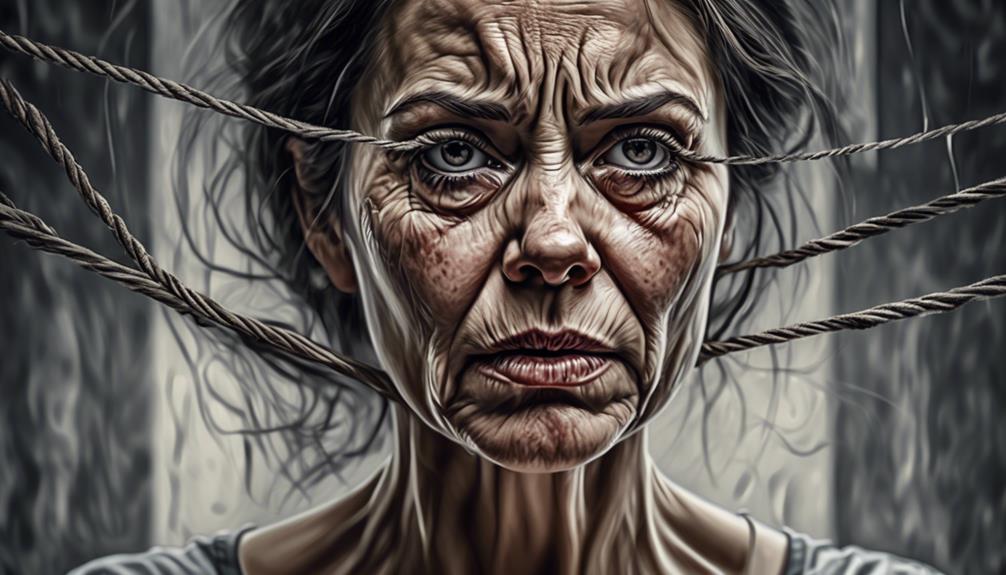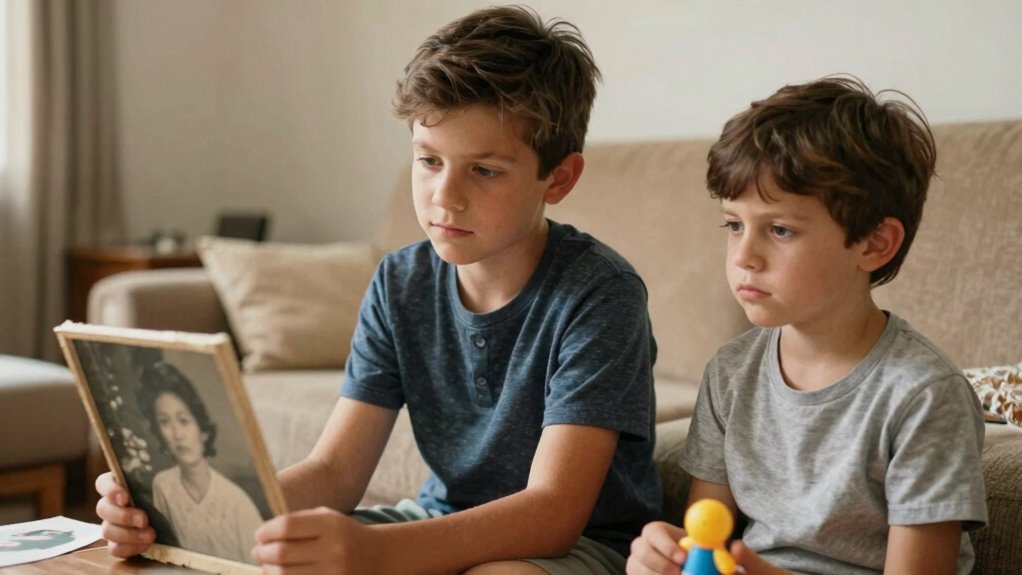

You see, siblings often have very different views of the same mother because each of you experiences her uniquely based on personal traits, memories, and circumstances. Your childhood memories, family roles, and emotional reactions shape how you interpret her actions. Developmental stages and external influences like culture and peer relationships further impact your perceptions. Over time, these factors cause your views to evolve differently. If you keep exploring, you’ll discover even more reasons behind these diverse perspectives.

Turn your wind-down time into listening time
- Thousands of audiobooks, podcasts and originals
- Listen on your phone, tablet or Echo — also offline
- Cancel anytime
Key Takeaways
- Individual experiences and interactions with the mother shape distinct perceptions among siblings.
- Childhood memories are filtered through personal biases and emotional states, influencing how each sibling views the mother.
- Developmental stages and external influences, like culture and peer relationships, cause perceptions to evolve differently.
- Family dynamics and roles during upbringing lead to contrasting interpretations of maternal behavior.
- Personal traits such as resilience and biases affect how siblings perceive and recall their mother’s actions.
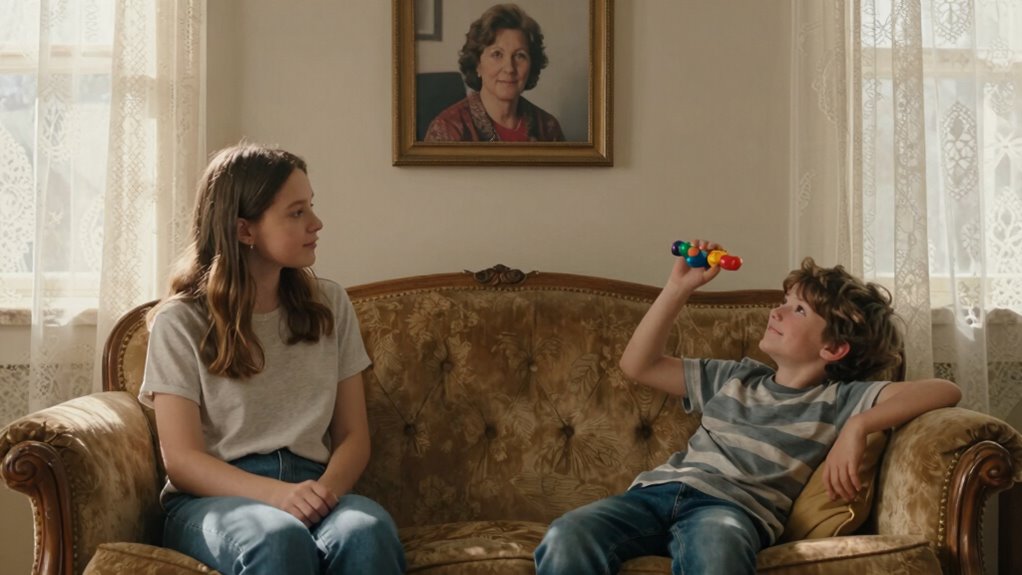
When you have siblings, it’s common to notice that each one sees your mother differently. These varying perceptions often stem from unique experiences and interactions with her, shaped by individual personalities and circumstances. Parental influence plays a significant role here; your mother’s behavior and expectations might resonate differently with each sibling, depending on their age, temperament, or needs at the time. For example, if one sibling received more praise or attention during childhood, they might view your mother as nurturing and supportive. Conversely, another sibling who experienced stricter discipline or less warmth could see her as distant or demanding. These contrasting impressions are natural because your mother’s actions don’t affect everyone uniformly.
Childhood memories also color each sibling’s view of her. The moments you each remember—whether warm, stressful, joyful, or tense—are filtered through your individual perspectives. One sibling might recall her comforting presence during tough times, feeling safe and loved, which leads them to see her as a caring and dependable figure. Another might remember her strict rules or moments of disappointment, shaping a more critical perception. These memories aren’t just about events but also about how you experienced them emotionally. Your sibling’s personality influences whether they focus on her kindness or her authority, which deepens the differences in how you all see her. Additionally, the way these memories are recalled and interpreted can vary greatly depending on each person’s emotional state and personal biases. Furthermore, family roles and responsibilities that each sibling had growing up also influence how they perceive her, as they may associate her actions with their own duties or expectations. The family environment during childhood further impacts these perceptionss often reinforcing certain views over others.
Moreover, your mother’s role isn’t static; it evolves over time, and so do your perceptions. As children grow, they often interpret her actions differently based on their developmental stage. What seemed like warmth or discipline at one age might be remembered quite differently later. These shifts in perspective are also influenced by external factors, like your surroundings, peer relationships, or personal struggles, which color your memories and influence your view of her. Furthermore, family dynamics and external influences like cultural expectations can also shape how each sibling perceives her differently. Additionally, parental influence and individual traits can create perceptual differences that shape how each sibling perceives her uniquely. Your personal traits, like resilience or openness, also color your interpretation of her actions, leading to a richer mosaic of perceptions.
As an affiliate, we earn on qualifying purchases.
Frequently Asked Questions
How Do Childhood Memories Influence Sibling Perceptions of Their Mother?
Childhood memories influence your perception of your mother through memory bias and emotional perception. You might remember certain moments more vividly or emotionally, shaping how you view her character and actions. These biases can lead you to see her differently than your sibling, who might recall other experiences. Your emotional reactions during those memories also color your perception, making your view unique based on your personal feelings and selective recollections.
Can Parental Favoritism Lead to Differing Sibling Views?
Parental favoritism can profoundly shape your siblings’ views of your mother, just as favoritism and rivalry create division, foster resentment, and deepen misunderstandings. You might see her as loving and fair, while they perceive favoritism and unfairness. These contrasting experiences influence how each sibling interprets her actions, leading to differing perceptions. As favoritism fuels rivalry, it also molds unique, often opposing, attitudes toward your mother’s behavior and intentions.
Do Personality Differences Affect How Siblings Perceive Their Mother’s Actions?
Yes, personality differences considerably influence how you and your siblings perceive your mother’s actions. Your personality traits shape your emotional responses, making you interpret her behavior differently. For instance, if you’re more sensitive, you might see her actions as caring or critical, while a more assertive sibling might view the same actions as strict or distant. These variations in emotional responses lead to contrasting perceptions of your mother’s intentions and behavior.
How Does Communication Style Impact Sibling Misunderstandings About Their Mother?
Did you know that 65% of sibling misunderstandings stem from different communication styles? Your tone variation and emotional expression greatly impact how you interpret your mother’s actions. When you use inconsistent tone or fail to express your feelings clearly, misunderstandings grow. You might see her differently than your sibling because your communication style shapes your perception. Open, honest conversations help bridge these gaps and foster better understanding between you and your siblings.
Are Cultural Factors Significant in Shaping Sibling Perspectives on Motherhood?
Yes, cultural factors profoundly shape sibling perspectives on motherhood. Cultural expectations and familial traditions influence how each sibling perceives their mother’s actions and roles. You might see differences because, within your family, traditions dictate specific behaviors and values, leading to varied interpretations. These cultural nuances affect your siblings’ experiences and memories, causing diverse viewpoints about the same mother, especially when cultural norms emphasize different aspects of motherhood or family roles.
Conclusion
So, next time you notice your sibling sees your mother differently, remember it’s not just about memory—it’s about perspective. Some experts suggest that individual experiences, personality traits, and even your own evolving identity shape these views. While no single theory fully explains the differences, it’s clear that everyone’s unique relationship with your mother influences how they see her. Embrace these varied perspectives; they reveal the rich complexity of family bonds.
Halloween Picks
halloween
As an affiliate, we earn on qualifying purchases.