

To bond with your kids despite BPD, focus on being consistent and predictable in your responses, which builds trust. Practice emotion regulation and mindfulness to stay calm during challenging moments. Develop your reflective skills to better understand your child’s feelings and needs. Create a stable environment with routines and clear boundaries. Engaging in parenting programs can also help strengthen your connection. Keep exploring these strategies to build a deeper, more secure bond with your children.
Key Takeaways
- Practice consistent, predictable responses to build trust and create a safe environment for your child.
- Use mindfulness techniques to stay calm and regulate your emotions during interactions.
- Observe and interpret your child’s cues to understand their feelings and respond with empathy.
- Establish routines and clear boundaries to foster stability and emotional security.
- Seek parenting programs focused on bonding and sensitivity to enhance your attachment skills.

A Parent's Guide to Self-Regulation: A Practical Framework for Breaking the Cycle of Dysregulation and Mastering Emotions for Parents and Children
As an affiliate, we earn on qualifying purchases.
As an affiliate, we earn on qualifying purchases.
Practice Consistent and Predictable Responses

Practicing consistent and predictable responses helps build trust and security in your child. When you respond reliably to their cues, they start to understand what to expect from you, which fosters a sense of safety. This consistency can be challenging, especially when your emotions fluctuate, but it’s essential for your child’s emotional stability. Use routines and clear boundaries to guide your interactions. For example, set specific times for play, meals, and bedtime, and stick to them as much as possible. When your child seeks comfort or reassurance, respond calmly and predictably. Over time, these steady responses help your child develop trust in you, making it easier for them to regulate their feelings and feel secure in your relationship.
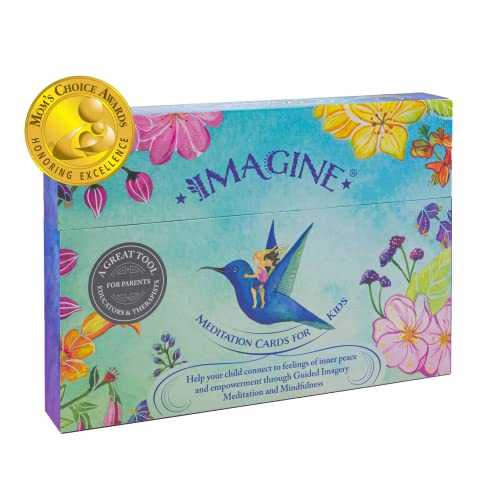
Imagine Meditation Cards for Kids – Award-Winning Mindfulness kit of XL Cards with Calming Guided Meditations for Empowerment, Focus and Relaxation. Great for Parents, Teachers and Therapists.
🌈 [AWARD-WINNING PREMIUM QUALITY Meditation kit and Mindfulness game for kids] providing a FUN and RELAXING activity for…
As an affiliate, we earn on qualifying purchases.
As an affiliate, we earn on qualifying purchases.
Develop Skills in Emotion Regulation and Mindfulness

Developing skills in emotion regulation and mindfulness is essential for mothers with BPD to manage their fluctuating feelings and respond more consistently to their children. When you learn to recognize your emotional triggers, you can pause before reacting impulsively, creating a calmer environment for your kids. Mindfulness practices, like deep breathing or grounding exercises, help you stay present and reduce intense emotional swings. Regularly practicing these skills builds greater self-awareness, allowing you to respond thoughtfully rather than react impulsively. This consistency fosters a sense of safety and trust in your child. Over time, improved emotion regulation enhances your ability to provide stable warmth and support, strengthening your bond and helping your child feel more secure and understood.

2 in 1 Bedtime/Morning Routine Chart for Kids Toddlers, Magnetic Chore Chart for Kids, Cute Visual Schedule for Kids Schedule Board for Home, Kids Checklist to Do List ADHD Tools for Kids
2024 UPGRADED 2-IN-1 MORNING/BEDTIME ROUTINE CHART FOR KIDS – The easy-to-slide sliders make it simple for little hands,…
As an affiliate, we earn on qualifying purchases.
As an affiliate, we earn on qualifying purchases.
Enhance Your Reflective Functioning to Understand Your Child

Enhancing your reflective functioning allows you to better understand your child’s thoughts, feelings, and behaviors, fostering a deeper emotional connection. When you tune into your child’s inner world, you can respond more thoughtfully and calmly, reducing reactive patterns. To build this skill, practice observing your child’s cues and asking yourself what they might be experiencing. This awareness strengthens your empathy and patience.
| Child’s Behavior | Possible Underlying Feelings |
|---|---|
| Crying loudly | Frustration or fear |
| Clinging to you | Need for safety or reassurance |
| Ignoring you | Feeling misunderstood or overwhelmed |

Autism Workbook for Teen Boys: A 6-Week Social Skills and Emotional Regulation Program to Build Confidence and Connection
As an affiliate, we earn on qualifying purchases.
As an affiliate, we earn on qualifying purchases.
Create a Supportive and Stable Parenting Environment

Creating a supportive and stable parenting environment is essential for fostering your child’s sense of security and trust. You can do this by establishing consistent routines and predictable responses to your child’s needs. When you respond calmly and reliably, your child learns they can count on you, which builds a sense of safety. Set clear boundaries and follow through, avoiding sudden changes that might confuse or upset them. Prioritize your child’s emotional needs by offering warmth and reassurance even during challenging moments. Practice self-care to manage your emotions better, reducing fluctuations in your caregiving. Seek support when needed, whether from friends, family, or professionals, to help you maintain stability. A secure environment helps your child develop healthy attachment and resilience, despite the challenges you face.
Engage in Parenting Programs Focused on Bonding and Sensitivity

Participating in parenting programs that focus on bonding and sensitivity offers practical tools to strengthen your relationship with your child. These programs teach you how to respond consistently and empathetically, helping you build trust and emotional security. They often include techniques to improve your awareness of your child’s cues and needs, fostering a nurturing environment. By engaging in such programs, you can learn to manage your emotional responses better and reduce controlling or cold behaviors. This targeted support helps you develop healthier interactions and emotional connections with your child. Here’s a quick overview:
| Focus Area | Benefits |
|---|---|
| Emotional Regulation | Better responses during stressful moments |
| Responsive Parenting | Increased trust and security in your child |
| Attachment Building | Strengthening your bond and reducing disorganization |
| Practical Skills | Improved consistency and sensitivity |
Frequently Asked Questions
How Can I Recognize My Child’s Attachment Style Early?
You can recognize your child’s attachment style early by observing how they respond to your presence and separation. If they seek comfort and easily reconnect, they may have a secure attachment. If they show avoidance, anxiety, or difficulty calming down, it might indicate insecure or disorganized attachment. Pay attention to their emotional responses, independence, and how they handle stress, as these cues help identify their attachment patterns.
What Are Signs of Disorganized Attachment in My Child?
Did you know that up to 80% of children with insecure attachments show disorganized behaviors? You might notice your child fluctuating between seeking comfort and acting fearfully or avoidantly, often seeming confused or disoriented in stressful situations. They may struggle with emotional regulation, display sudden freeze responses, or have difficulty trusting caregivers. These signs indicate disorganized attachment, highlighting a need for targeted support to help your child feel safe and secure.
How Does My History of Childhood Maltreatment Affect My Parenting?
Your childhood maltreatment can deeply impact your parenting by lowering your oxytocin levels, which reduces your sensitivity and responsiveness to your child’s needs. This may cause you to struggle with emotional regulation, leading to inconsistent caregiving and difficulty forming secure bonds. Recognizing these effects is the first step. Seeking therapy or support can help you address these past wounds, improve your emotional health, and foster healthier relationships with your children.
Are There Specific Therapies Tailored for Mothers With BPD?
Yes, there are therapies tailored for mothers with BPD. You might find attachment-based family therapies helpful, as they focus on improving emotional communication and bonding. Mindfulness-based parenting strategies can help you provide consistent warmth, while psychoeducational programs teach effective parenting skills. These approaches aim to reduce hostile behaviors, enhance emotional regulation, and strengthen your relationship with your child, supporting healthier interactions and attachment over time.
How Can I Manage Role Reversal Dynamics With My Child?
To manage role reversal with your child, start by recognizing when it happens and remind yourself that your child shouldn’t take on a parental role. Use mindfulness techniques to stay present and regulate your emotions. Communicate openly, setting clear boundaries, and seek therapy focused on attachment and emotional regulation. Building awareness and practicing consistent, age-appropriate responses help restore healthy boundaries and foster a balanced, trusting relationship with your child.
Conclusion
By embracing these tips, you can build a stronger bond with your child, turning challenges into opportunities for growth. Remember, your journey is like a delicate dance—each step, each moment, shaping a future filled with love and understanding. With patience and commitment, you’ll find that even the most turbulent storms can give way to calm, revealing a beautiful connection that endures beyond the chaos. Trust in your strength—you’re capable of creating a loving, resilient bond.