

When your stepmother has BPD, it’s important to set clear boundaries and stay calm during emotional upsets. Accept her feelings without judgment, but protect your own well-being by limiting contact when needed. Practice patience, show empathy, and focus on self-care to avoid emotional burnout. Supporting her with understanding and seeking outside help can create a more stable environment. If you want practical tips on managing this complex relationship, there’s more to consider.

Turn your wind-down time into listening time
- Thousands of audiobooks, podcasts and originals
- Listen on your phone, tablet or Echo — also offline
- Cancel anytime
Key Takeaways
- Set firm, consistent boundaries to protect your emotional well-being and prevent manipulation or overreach.
- Practice patience and empathy, understanding her behaviors stem from underlying fears and emotional struggles.
- Limit contact during emotional outbursts and prioritize self-care to reduce stress and prevent burnout.
- Seek support from trusted friends, family, or mental health professionals experienced with BPD.
- Engage in open, calm communication and consider therapy to develop effective coping strategies and strengthen the relationship.
As an affiliate, we earn on qualifying purchases.
Understanding BPD and Its Impact on Behavior
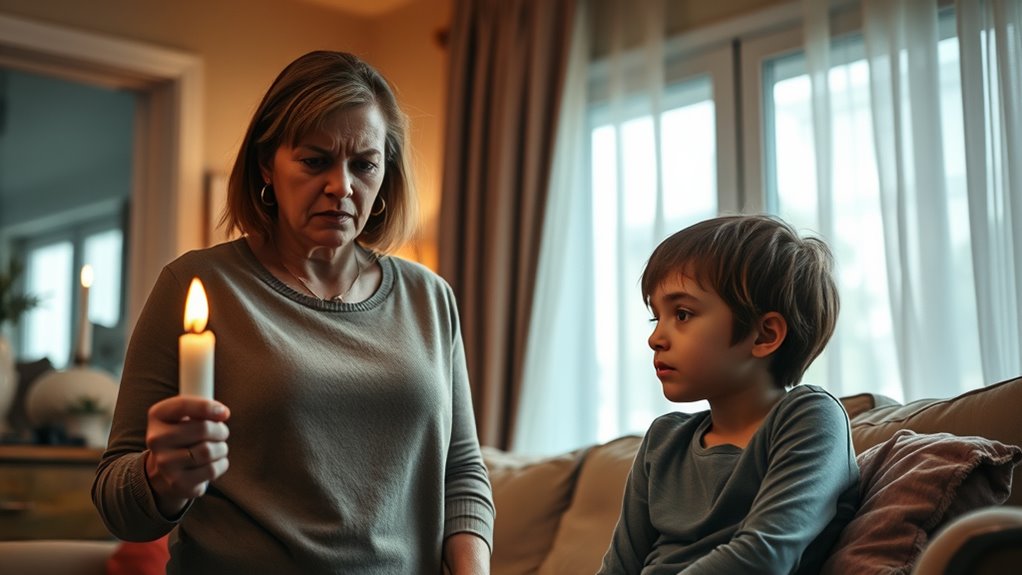
Borderline personality disorder (BPD) is a complex mental health condition characterized by emotional instability, impulsivity, and intense fear of abandonment. When your stepmother has BPD, her behaviors may seem unpredictable or extreme because her emotions shift rapidly. She might experience intense feelings of anger, sadness, or anxiety that can flare up suddenly. Her reactions often stem from deep-seated fears of rejection or being abandoned, influencing her interactions. Impulsivity can lead her to act without thinking, sometimes making decisions that seem reckless. Recognizing that these behaviors are linked to her disorder helps you understand her actions aren’t personal attacks. Instead, they’re symptoms of BPD, driven by her emotional struggles. This awareness can foster patience and compassion, even when her actions feel challenging.
Recognizing the Signs of BPD in Your Stepmother

You might notice your stepmother’s emotional rollercoaster moments, where her mood swings suddenly shift from happiness to anger. Impulsive behavior patterns, like reckless decisions or reactions, often appear without warning. Additionally, a persistent fear of abandonment can cause her to cling tightly or act out in ways that feel unpredictable.
Emotional Rollercoaster Moments
Recognizing emotional rollercoaster moments can be challenging, but they often serve as key signs your stepmother might be experiencing intense mood swings typical of BPD. These shifts can happen suddenly, with her oscillating between warmth and coldness or anger and sadness. You may notice her overreacting to minor issues or feeling deeply hurt without clear reasons. These unpredictable emotions can leave you feeling confused or anxious, unsure of what to expect next. Understanding these patterns is essential for managing the relationship. Below is a table highlighting common signs:
| Emotional Shift | Typical Behavior |
|---|---|
| Extreme Happiness | Overly affectionate, elated |
| Intense Anger | Hostile, dismissive |
| Deep Sadness | Withdrawn, tearful |
| Fear of Abandonment | Clingy, anxious |
| Fluctuating Mood | Rapid, unpredictable changes |
Impulsive Behavior Patterns
Impulsive behavior is a hallmark sign of BPD that can be particularly evident in your stepmother’s actions. You might notice sudden decisions without considering consequences, like reckless spending, risky activities, or abrupt changes in plans. Her mood swings can lead her to act impulsively during emotional highs or lows, often without stopping to think about the impact. She may also react intensely to perceived slights, responding with quick anger or impulsive outbursts. These behaviors can seem unpredictable and disruptive, leaving you feeling confused or overwhelmed. Recognizing these patterns helps you understand that her impulsivity stems from her disorder, not intentional malice. By observing these signs, you can better navigate her emotional landscape and protect your own well-being.
Fear of Abandonment
Your stepmother’s impulsive behaviors often stem from deeper fears of being abandoned or rejected. She may cling tightly to relationships, fearing loss more than most. You might notice her becoming overly dependent or overly jealous, trying to prevent separation at all costs. Sometimes, she may push people away to test whether they’ll stay, driven by anxiety about abandonment. She may react intensely to perceived rejection, even when none is intended, and struggle with trust issues. Her mood swings can escalate when she feels insecure, making her seem unpredictable or volatile. Recognizing these signs helps you understand her reactions aren’t about you but stem from her unresolved fears. Supporting her with patience and boundaries can create a safer space, helping her slowly challenge those fears.
Emotional Challenges and How They Affect Your Relationship

Emotional challenges stemming from a mother with BPD can deeply influence your relationship, often creating a cycle of instability and misunderstanding. These difficulties can lead to feelings of confusion, frustration, and emotional exhaustion. You might find yourself constantly adjusting to unpredictable mood swings or invalidating responses. To navigate this, recognize these patterns:
- Emotional volatility that causes sudden shifts in her behavior and your sense of security.
- Impulsivity leading to unpredictable reactions and strained communication.
- Invalidation of your feelings, which can diminish your self-worth and trust.
- Fear of abandonment, heightening your sensitivity to perceived rejection or distance.
Understanding these emotional hurdles can help you develop clarity and resilience, even when the relationship feels tumultuous. Recognizing their impact is a vital step toward healthier boundaries and emotional self-care.
Strategies for Managing Difficult Interactions

To manage difficult interactions with your stepmother, setting clear boundaries helps protect your emotional well-being and maintain respect. Practicing active listening allows you to understand her perspective without getting caught up in conflicts. Together, these strategies create a foundation for more constructive communication and healthier relationships.
Set Boundaries Clearly
Setting clear boundaries is essential when managing difficult interactions with a stepmother who has BPD. By defining what’s acceptable, you protect your emotional well-being and prevent manipulation. To do this effectively, consider these strategies:
- Communicate assertively – Use direct, calm language to express your limits without aggression.
- Be consistent – Reinforce boundaries consistently, so expectations remain clear and predictable.
- Limit exposure – Reduce contact during times of heightened emotional volatility to prevent escalation.
- Prioritize self-care – Focus on your needs and avoid guilt when enforcing boundaries; your well-being matters.
Clear boundaries create a framework that minimizes misunderstandings and emotional harm, helping you navigate interactions more safely. Remember, boundaries are about protecting your mental health and fostering healthier relationships.
Practice Active Listening
Practicing active listening can considerably improve your interactions with a stepmother who has BPD by fostering understanding and reducing misunderstandings. Focus fully on her words without interrupting, and reflect back what you hear to confirm your understanding. Use phrases like, “It sounds like you’re feeling…” or “You’re saying that…,” to show you’re engaged. Avoid judgment or giving advice; instead, acknowledge her feelings, even if they seem exaggerated. Maintain eye contact and open body language to create a safe space. Remember, active listening doesn’t mean agreeing, but rather validating her emotions. This approach can de-escalate conflicts and build trust over time, making difficult interactions more manageable and encouraging healthier communication.
Setting Healthy Boundaries and Protecting Your Well-Being

When dealing with a stepmother who has BPD, establishing clear and healthy boundaries becomes essential for protecting your emotional well-being. Boundaries help prevent emotional exhaustion and maintain your sense of self. To do this effectively, consider these strategies:
- Define what behaviors are acceptable and what cross the line for you.
- Communicate boundaries calmly and assertively, avoiding blame or escalation.
- Enforce consequences consistently when boundaries are violated.
- Prioritize self-care, recognizing your limits and taking breaks when needed.
The Role of Empathy and Compassion in Difficult Moments

In challenging moments with a stepmother who has BPD, approaching the situation with empathy and compassion can help diffuse tension and foster understanding. Recognize that her behavior stems from her emotional struggles, not from a lack of care. By listening without judgment and validating her feelings, you create a space where she feels heard and less defensive. Practicing patience and maintaining a calm demeanor can prevent escalation. Remember, compassion doesn’t mean accepting harmful behavior, but rather understanding its roots and responding with kindness. This approach can soften conflicts, reduce feelings of rejection, and promote a more stable interaction. Over time, empathy helps build trust, making difficult moments more manageable for both of you.
Seeking Support: How to Find Help for Yourself

Feeling overwhelmed or unsure where to turn for support is common when dealing with the challenges of having a mother or stepmother with BPD. To find help, start by identifying trusted individuals who listen without judgment, like friends or family members. Consider reaching out to mental health professionals experienced in personality disorders or family therapy. Joining support groups, either locally or online, can also provide validation and practical advice. Finally, educate yourself about BPD to better understand her behaviors and your reactions.
Feeling overwhelmed with a mother or stepmother with BPD? Seek support from trusted people, professionals, and educational resources.
Here are four ways to seek support:
- Contact a therapist specializing in family or personality disorders.
- Join peer support groups for people in similar situations.
- Reach out to trusted friends or family members for emotional backing.
- Access educational resources about BPD to empower your understanding.
Encouraging a Supportive Environment for Everyone

Creating a supportive environment for everyone involved requires intentional effort and clear communication. You can start by setting boundaries that protect your emotional well-being while remaining respectful. Encourage open dialogue where each person feels heard without judgment. Validate feelings, even if you disagree, to foster trust and understanding. Recognize that family members with BPD may struggle with emotional regulation, so patience and empathy are essential. Promote consistency and stability, which help reduce chaos and create a sense of safety. Involving all parties in family discussions or therapy can strengthen connections and improve cooperation. Remember, fostering a supportive environment benefits everyone, helping reduce stress and misunderstandings while building resilience within the family.
Moving Toward Healing and Building a More Stable Relationship

Moving toward healing and building a more stable relationship requires intentional effort and patience from all involved. To foster progress, consider these steps:
- Establish Boundaries: Clearly define what behaviors are acceptable, protecting your emotional well-being.
- Practice Self-Care: Prioritize your mental health through therapy, support groups, or relaxation techniques.
- Encourage Open Communication: Use calm, honest dialogue to express feelings and listen actively, fostering trust.
- Seek Professional Support: Engage with therapists experienced in BPD to develop strategies for managing conflicts and strengthening bonds.
Frequently Asked Questions
How Can I Differentiate BPD Behaviors From Intentional Hurtfulness?
You can differentiate BPD behaviors from intentional hurtfulness by observing patterns over time. BPD-related actions often stem from emotional dysregulation, fear of abandonment, or insecurities, rather than malicious intent. Notice if behaviors are triggered by specific situations or if they fluctuate based on emotional states. Compassionate understanding helps, but remember, consistent hurtful actions may indicate intentional harm, requiring boundaries and support.
What Are Effective Ways to Cope When My Stepmother Is Emotionally Volatile?
Did you know that children of parents with BPD are at higher risk for mental health issues? When your stepmother is emotionally volatile, stay calm and set boundaries to protect your well-being. Practice self-care, avoid taking her reactions personally, and seek support from friends or a counselor. Remember, you can’t control her behaviors, but you can control how you respond and care for yourself during these challenging moments.
How Do I Protect My Mental Health Around a BPD Stepmother?
To protect your mental health around a BPD stepmother, set clear boundaries and prioritize self-care. Limit your exposure to emotional volatility and use grounding techniques to stay centered. Seek support from friends, family, or a therapist who understands BPD dynamics. Remember, you can’t control her behavior, but you can control your reactions. Practice self-compassion and remind yourself that your well-being matters above all else.
Can Family Therapy Improve My Relationship With My BPD Stepmother?
Yes, family therapy can improve your relationship with your BPD stepmother. It creates a safe space for open communication, fosters understanding, and builds empathy between you. Through guided discussions, you can learn to recognize emotional triggers, set healthy boundaries, and develop strategies for managing conflicts. Family therapy acts like a bridge, connecting hearts and minds, helping you navigate the stormy waters of BPD with support and clarity.
What Resources Are Available Specifically for Children of Parents With BPD?
You can access resources like family therapy focused on attachment and emotional regulation, which help children process their experiences and build resilience. Support groups for children of parents with BPD provide a safe space to share and learn coping strategies. Additionally, mental health professionals can recommend books, online programs, and individual therapy tailored to your needs, helping you understand your feelings and develop healthier relationships.
Conclusion
Remember, understanding her struggles, setting boundaries, and practicing compassion can transform your relationship. Recognize her pain, respect her feelings, and seek support when needed. By staying patient, by staying firm, and by staying compassionate, you create a space for healing. Building a stable relationship takes effort, understanding, and resilience. Keep hope alive, keep empathy flowing, and keep working toward connection. Your dedication can make a difference, guiding both of you toward a healthier, more supportive future.
Fall Picks
fall essentials
As an affiliate, we earn on qualifying purchases.