
If you’re a mother with BPD, seeking therapy or joining support groups can help you manage intense emotions and boost your confidence in parenting. These spaces provide tools to improve emotional regulation, reduce feelings of isolation, and share strategies with others facing similar challenges. Early support can also prevent passing emotional difficulties to your children, creating a healthier home environment. Keep exploring to discover more ways to strengthen your well-being and family life.
Key Takeaways
- Therapy helps BPD mothers develop emotional regulation skills, reducing impulsive reactions and fostering healthier parenting.
- Support groups provide community, reducing isolation and sharing effective coping strategies for managing BPD challenges.
- Early intervention improves maternal confidence and parenting skills, decreasing the risk of passing emotional difficulties to children.
- Seeking help enhances family stability by promoting consistent, nurturing environments and reducing intergenerational trauma.
- Long-term therapy and support foster resilience, improve family dynamics, and contribute to better emotional well-being for mothers and children.
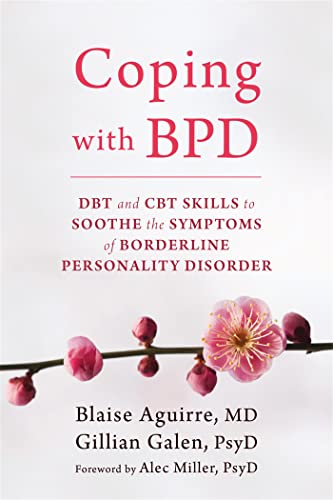
Coping with BPD: DBT and CBT Skills to Soothe the Symptoms of Borderline Personality Disorder
As an affiliate, we earn on qualifying purchases.
As an affiliate, we earn on qualifying purchases.
Understanding the Impact of BPD on Parenting and Children

Understanding how BPD affects parenting and children is crucial because the disorder’s emotional and behavioral challenges directly influence family dynamics. As a mother with BPD, you might find it hard to stay consistent in your responses, which can create confusion and insecurity for your children. Your fluctuating emotions can lead to unpredictable reactions, making it difficult for your kids to develop stable emotional regulation skills. They may experience increased risk of developing depressive symptoms or emotional difficulties themselves. Oscillations between hostility and detachment in your parenting style can impact your child’s social and emotional growth. Recognizing these effects helps you understand the importance of seeking support, as early intervention can lessen the intergenerational transmission of emotional regulation issues and promote healthier family relationships.

DBT Skills Therapy Cards for Coping – Dialectical Behavior Therapy Tools for Teens & Adults – Mental Health Emotional Regulation & Stress Relief
Unlock 20 of the most commonly used DBT skills with these easy-to-use DBT therapy cards designed to help…
As an affiliate, we earn on qualifying purchases.
As an affiliate, we earn on qualifying purchases.
How Therapy Can Improve Emotional Regulation and Parenting Confidence

Therapy plays a crucial role in helping mothers with BPD develop better emotional regulation and greater confidence in their parenting abilities. It provides tools to manage intense emotions, reducing impulsivity and mood swings that impact your children. Through therapy, you can:
Therapy helps mothers with BPD improve emotional control and parenting confidence.
- Learn mindfulness techniques to stay present during emotional moments
- Recognize and challenge negative thought patterns affecting your parenting
- Build skills to respond calmly rather than react impulsively
- Develop a stronger sense of self-efficacy and trust in your parenting choices
This process helps you feel more in control and capable, which benefits both you and your children. As your emotional regulation improves, your confidence as a parent naturally grows, creating a healthier environment for your family.
support groups for mothers with BPD
As an affiliate, we earn on qualifying purchases.
As an affiliate, we earn on qualifying purchases.
The Role of Support Groups in Building Community and Sharing Strategies

Support groups play a vital role in helping mothers with BPD build a sense of community and gain practical strategies for managing their challenges. When you connect with others facing similar struggles, you realize you’re not alone, which can alleviate feelings of isolation. Sharing experiences allows you to learn new coping techniques and parenting approaches that have worked for others. These groups provide a safe space where you can openly discuss your feelings without judgment. Listening to different perspectives helps you broaden your understanding of your situation and discover fresh ways to handle emotional ups and downs. Support groups also offer ongoing encouragement, helping you stay motivated to implement new strategies. Ultimately, they foster a sense of belonging that strengthens your resilience as a mother navigating BPD.

Omi The Elephant Meditation & Learning Toy – Mindfulness & Social Emotional Learning for Kids – Calm Down & Emotional Regulation Tool
STOP. BREATHE. RESET – Meet Omi, the fun, cuddly mindfulness elephant that teaches kids deep breathing, emotional regulation…
As an affiliate, we earn on qualifying purchases.
As an affiliate, we earn on qualifying purchases.
Early Intervention as a Key to Breaking the Cycle of Intergenerational Trauma

Why is early intervention essential for mothers with BPD? Early intervention helps prevent the cycle of intergenerational trauma from continuing. It gives you tools to better regulate your emotions, which directly impacts how you parent. Addressing issues early can:
- Reduce the likelihood of passing emotional regulation difficulties to your children
- Improve your parenting confidence and skills
- Lower the severity of BPD symptoms over time
- Strengthen your family’s emotional stability
Long-Term Benefits of Seeking Help for Maternal and Family Well-Being

Seeking help early can lead to lasting improvements in both your well-being and your family’s stability. When you pursue therapy or join support groups, you develop stronger emotional regulation skills, making it easier to manage daily stresses. Over time, you’ll gain confidence in your parenting abilities, creating a more consistent and nurturing environment for your children. These efforts can reduce BPD symptom severity, resulting in healthier family dynamics. Long-term benefits also include breaking the cycle of emotional dysregulation passed down through generations. As you build supportive connections and learn new coping strategies, your resilience increases. This ongoing growth benefits everyone in your family, fostering a more stable, loving home where both you and your children can thrive.
Frequently Asked Questions
How Do Therapy and Support Groups Specifically Address Bpd-Related Parenting Challenges?
Therapy and support groups help you manage BPD-related parenting challenges by teaching emotional regulation skills, boosting your confidence, and fostering empathy for your child’s needs. Therapy offers tailored techniques like DBT to improve coping and reduce symptoms, while support groups provide community validation, shared strategies, and emotional support. Together, they help you become a more consistent, confident parent, ultimately creating healthier family dynamics and better outcomes for your children.
Are There Age-Specific Benefits for Children When Mothers Engage in Therapy or Support Groups?
You might find that children of mothers in therapy or support groups experience age-specific benefits, like better emotional regulation in preschool years or improved social skills during school age. When you engage in these supports, you create a more stable environment, helping your kids develop resilience and confidence appropriate for their age. These benefits often coincide with your own growth, making your journey more meaningful and impactful for your children’s development.
What Are Common Barriers for BPD Mothers in Accessing Therapy or Support Groups?
You might face barriers like feeling overwhelmed by your emotions, which makes seeking help seem intimidating. Stigma around mental health can cause shame or fear of judgment. Limited access to affordable, specialized services and difficulty trusting others may also hold you back. Time constraints, especially with parenting responsibilities, and concerns about what therapy might reveal about you can hinder your efforts to connect with support groups or professionals.
How Can BPD Mothers Maintain Progress After Completing Therapy or Support Group Programs?
Have you thought about how to keep your progress alive after therapy or support groups? You can do this by practicing the skills you’ve learned daily, setting realistic goals, and staying connected with your support network. Regular self-reflection helps you recognize your growth, and ongoing self-care keeps your emotional regulation strong. Remember, consistency and community support are key to maintaining the positive changes you’ve worked so hard to achieve.
What Role Does Medication Play Alongside Therapy or Support Groups for BPD Mothers?
Medication can play a crucial role alongside therapy or support groups by helping you manage specific symptoms like intense mood swings, impulsivity, or emotional dysregulation. It doesn’t replace therapy but complements it, making it easier for you to engage in emotional regulation skills and build stability. By working with your healthcare provider, you can find the right medication plan that supports your goals for better parenting and personal well-being.
Conclusion
By seeking therapy or joining support groups, you’re taking a vital step toward healing and breaking the cycle for your children’s future. But the real question is—what could happen if you don’t? Will you let unresolved struggles quietly shape your family’s destiny, or will you choose to face them head-on? The choice is yours, and the path you take now could change everything—are you ready to find out how far you can go?