Expressive arts therapy helps those with BPD process complex emotions safely through creative activities like drawing, painting, or movement. It provides a non-verbal outlet that fosters self-awareness, emotional regulation, and a sense of control. This approach often improves engagement and offers an accessible way to explore feelings beyond traditional talking therapy. If you’re curious, discovering how these techniques can support your journey might offer valuable insights for recovery and growth.
Key Takeaways
- Expressive arts therapy offers a safe outlet for complex emotions, aiding emotional regulation and reducing impulsivity in BPD recovery.
- It enhances self-awareness and insight through non-verbal, visual, and tactile methods, complementing traditional therapies.
- Art-based interventions foster emotional safety, trust, and autonomy, empowering individuals to process feelings beyond words.
- Studies show higher engagement and retention, with effective symptom reduction, making it a valuable adjunct in BPD treatment.
- Tailoring multimodal arts approaches to individual needs improves coping skills and supports comprehensive recovery efforts.
The Core Benefits of Art-Based Interventions for BPD
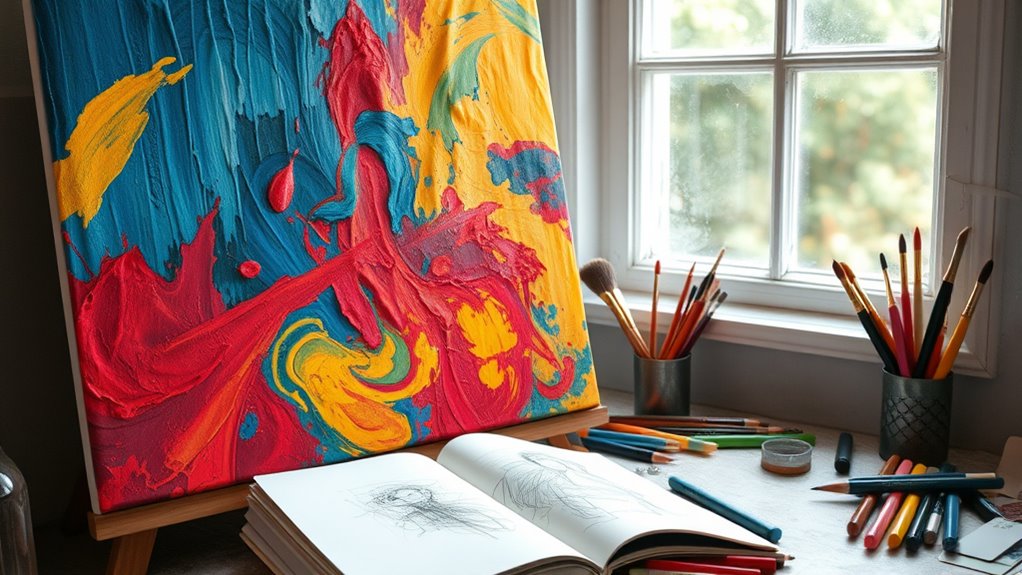
Art-based interventions offer several core benefits for individuals with BPD, primarily by providing a safe and expressive outlet for complex emotions. You can explore your feelings without the pressure of words, which often feel overwhelming. Creating art helps you process difficult experiences and reduces emotional intensity. It also encourages self-reflection, allowing you to connect with your inner thoughts more deeply. Because art is non-verbal, it’s accessible even when verbal communication feels challenging. Many participants find they gain a stronger sense of autonomy and improved self-image through these creative activities. The engaging process keeps you motivated and connected to your therapy. Overall, art-based interventions foster emotional safety, promote self-understanding, and support your journey toward healthier emotional regulation.
How Creative Expression Enhances Emotional Regulation
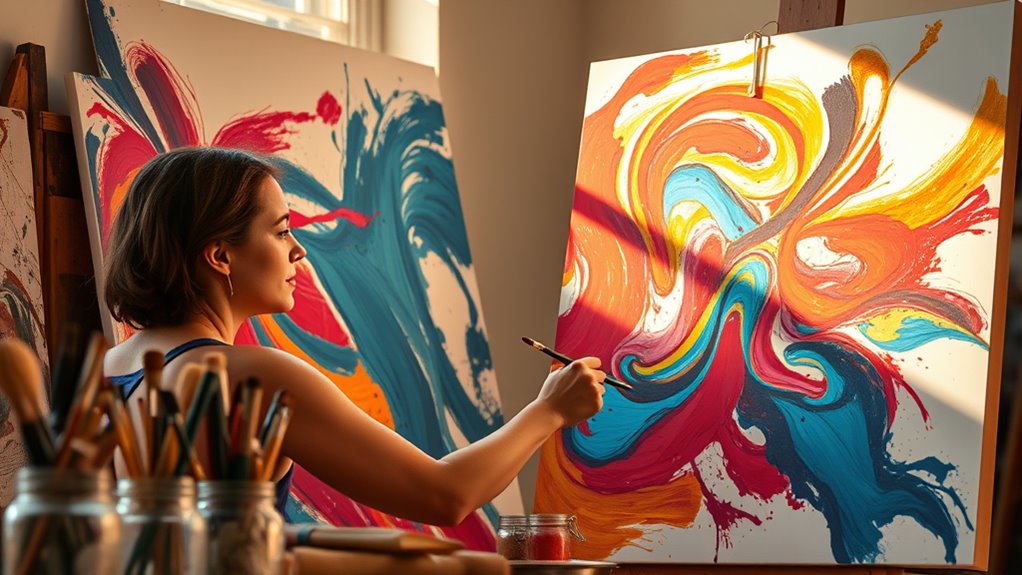
Creative expression through art provides a powerful way for you to manage intense emotions. When you create, you give form to feelings that might be overwhelming or hard to put into words. This process helps you recognize and understand your emotional states more clearly. Engaging in art allows you to pause and reflect, reducing impulsivity and emotional upheaval. It provides a safe outlet to release anger, sadness, or anxiety without judgment. As you build and modify your artwork, you develop a sense of control over your emotional responses. Over time, these experiences strengthen your ability to regulate feelings outside of therapy sessions, fostering resilience. Creative expression becomes a tool that supports ongoing emotional stability and self-awareness.
Exploring the Unique Advantages of Non-Verbal Therapy
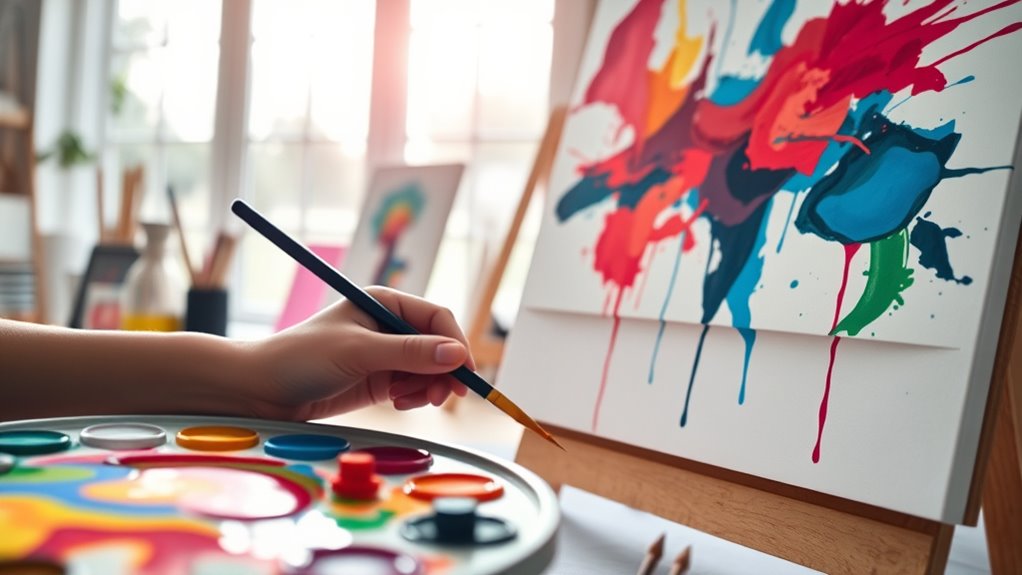
Non-verbal therapy offers distinct advantages by allowing you to express complex emotions through visual and tactile means, bypassing the barriers often posed by spoken language. This approach helps you access feelings that are difficult to articulate, fostering deeper self-awareness. Its benefits include:
- Reducing communication barriers—you can share emotions without relying on words.
- Enhancing emotional processing—visual and tactile tools help you explore feelings more concretely.
- Increasing accessibility—it’s effective for those who struggle with verbal expression or trauma.
- Promoting trust and safety—non-verbal methods can create a secure space for vulnerability.
Comparing Art Therapy With Traditional Psychotherapies

Compared to traditional psychotherapies like Dialectical Behavior Therapy (DBT) or mentalization-based treatment, art therapy often demonstrates higher retention rates and comparable or even superior effectiveness in certain cases. You may find that engaging creatively helps you stay committed longer, especially if verbal approaches feel limiting. Studies show that art therapy effectively reduces symptoms of BPD, improves emotion regulation, and fosters self-understanding, sometimes surpassing traditional methods. Its non-verbal nature makes it accessible for those who struggle to express feelings verbally. Additionally, art therapy offers a flexible, adaptable approach that can complement other treatments. This combination enhances overall outcomes while providing a unique, engaging way to explore and manage complex emotions, making it a valuable component of BPD recovery strategies.
Practical Insights and Future Perspectives in Expressive Arts Practice

Practical implementation of expressive arts therapy requires a nuanced understanding of both the techniques involved and the individual needs of clients. To enhance effectiveness, focus on these key areas:
- Customize interventions based on clients’ emotional states and communication styles.
- Ensure a safe, supportive environment that encourages open expression.
- Incorporate multimodal approaches, blending visual, tactile, and movement-based arts.
- Continuously update training and guidelines to reflect emerging research and best practices.
Looking ahead, integrating art therapy with other modalities can maximize benefits. Emphasizing safety protocols and adapting strategies for diverse populations will improve outcomes. Ongoing research is essential to understand long-term impacts, and training programs should prioritize cultivating skilled, empathetic practitioners dedicated to client-centered care.
Frequently Asked Questions
How Does Art Therapy Specifically Reduce BPD Symptom Severity?
You can see art therapy reduce BPD symptom severity by helping you express emotions safely and non-verbally, which improves emotion regulation. It promotes self-understanding and decreases maladaptive behaviors by exploring your feelings through creative outlets. This process fosters a sense of safety, connection, and empowerment, ultimately leading to fewer symptoms, better distress tolerance, and healthier interpersonal skills. Regular participation reinforces these benefits, supporting ongoing symptom reduction.
What Training Is Required for Therapists to Effectively Deliver Art-Based Interventions?
Think of a sculptor shaping raw clay—you need the right tools and skills. To effectively deliver art-based interventions, you should complete specialized training in art therapy techniques, focusing on trauma-informed care, ethical considerations, and creative expression strategies. You must also develop skills in facilitating safe, supportive environments and understanding diverse artistic modalities. Continuous education and supervision guarantee you stay updated and confident in guiding clients through their emotional journeys.
Can Art Therapy Be Used Alongside Medication Treatments for BPD?
Yes, you can use art therapy alongside medication treatments for BPD. Combining these approaches allows you to address emotional regulation and symptom management more holistically. Art therapy provides a creative outlet to explore feelings, while medication helps stabilize mood and reduce symptoms. Using both can enhance your overall treatment plan, offering emotional support and practical tools for recovery. Always coordinate with your healthcare team to guarantee safe, integrated care.
What Are Potential Risks or Adverse Effects Associated With Art Therapy?
You should be aware that, while generally safe, art therapy can sometimes trigger intense emotions or memories that may feel overwhelming. If you’re not prepared or supported, it might lead to increased distress or feelings of vulnerability. Additionally, poor facilitation could result in boundary issues or misunderstandings. To minimize risks, work with a trained therapist who creates a safe, supportive environment and monitors your emotional responses.
How Do Individual Differences Influence the Effectiveness of Expressive Arts Therapy?
Imagine a garden where each flower blooms differently—you’re the gardener, and your unique traits shape the growth. Your personality, emotional state, and cultural background influence how effective arts therapy is for you. If you’re more open or comfortable with self-expression, you’ll likely engage deeply, reaping more benefits. Conversely, personal barriers or trauma can slow progress, requiring tailored approaches to help you thrive in your healing journey.
Conclusion
You might be surprised to learn that nearly 70% of people with BPD experience significant emotional improvements through expressive arts therapy. By engaging in creative expression, you can better regulate your emotions and gain deeper self-awareness. Non-verbal approaches often release feelings words can’t capture, offering a unique path to healing. Embrace these innovative therapies, as they hold promising potential for your recovery journey and a more fulfilling, emotionally balanced life.