

To measure your progress in BPD recovery, focus on gentle KPIs like fewer mood swings, more consistent self-care routines, and healthier relationship boundaries. Notice how you respond to triggers and setbacks—improving responses show growth. Celebrate small victories, such as managing difficult conversations calmly or recognizing emotional shifts early. Keep in mind, steady progress often feels subtle. If you stay committed, you’ll discover more ways to see your strengths and growth along the way.
Key Takeaways
- Track reductions in intense mood swings and feelings of emptiness over time.
- Monitor consistency in self-care routines like journaling and mindfulness practices.
- Observe improvements in relationship boundaries, communication, and trust-building efforts.
- Notice quicker recovery and healthier coping strategies after setbacks.
- Recognize subtle emotional shifts and personal insights as signs of ongoing progress.
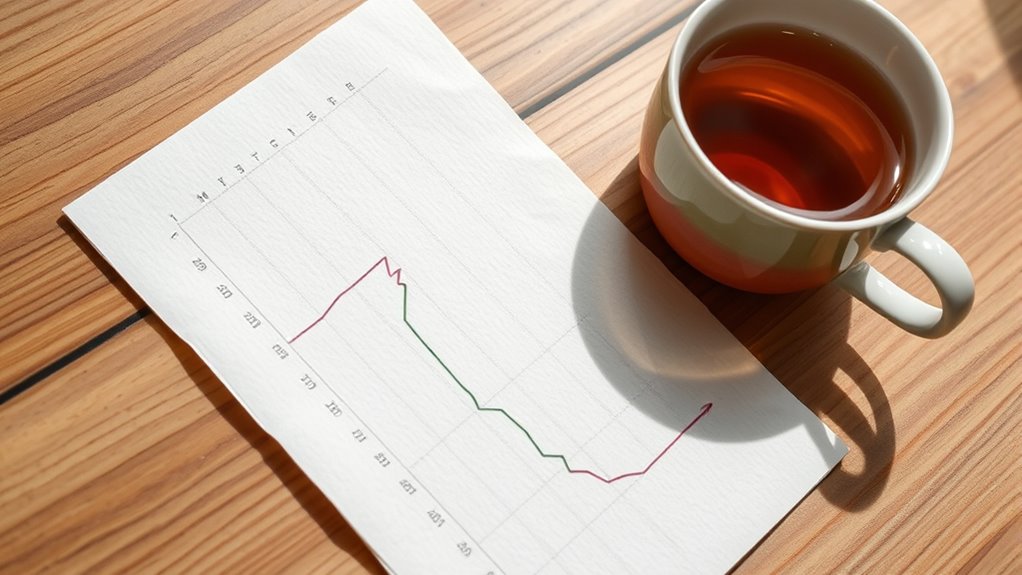
Tracking progress in BPD recovery can be challenging because it varies greatly from person to person. You might feel like you’re making strides one day and then stumble the next. It’s important to remember that recovery isn’t a straight line; instead, it’s a series of small, meaningful steps. To keep yourself motivated and grounded, it helps to set gentle, realistic Key Performance Indicators (KPIs) that focus on your personal growth rather than perfection. These KPIs serve as gentle milestones, allowing you to recognize progress without feeling overwhelmed or pressured.
Start by paying attention to your emotional responses. Are you noticing fewer intense mood swings or less frequent feelings of emptiness? These subtle shifts are valuable indicators that you’re moving forward. Instead of expecting complete emotional stability overnight, acknowledge small victories—like managing a difficult conversation calmly or recognizing your triggers more quickly. Tracking these moments can boost your confidence and remind you that change is happening, even if it’s slow.
Notice calmer moods and quicker trigger recognition—small signs of progress in your recovery journey.
Another helpful KPI is your ability to maintain consistency in self-care routines. Perhaps you’ve committed to practicing mindfulness or journaling regularly. If you find yourself sticking to these habits more often than before, you’re making progress. It’s not about perfect adherence but about gradually building a routine that supports your mental health. Celebrate these small wins, as they reinforce your ability to nurture yourself during recovery.
Relationships can also serve as a gentle measure of progress. Are you setting healthier boundaries or communicating your needs more openly? These improvements reflect increased self-awareness and emotional regulation. Remember, change in relationships takes time, so recognize even minor steps like responding calmly instead of reacting impulsively. These are signs that you’re developing new patterns of interaction that foster trust and stability.
Lastly, reflect on your capacity to tolerate distress and setbacks. Recovery involves setbacks, but how you respond to them matters. Do you find yourself bouncing back more quickly or using healthier coping skills? These improvements highlight resilience and growing self-control. Keep in mind, progress isn’t about eliminating all difficulties but about building resilience and learning to navigate challenges more effectively. Additionally, understanding different perspectives, such as astrological compatibility, can sometimes provide insights into emotional patterns and relationship dynamics that influence your recovery journey.

hand2mind Express Your Feelings Journal, Emotions Journal for Kids with Feelings Wheel, Social Emotional Books for Kids, Growth Mindset for Kids, Mindfulness for Kids, Calm Down Corner Supplies
KIDS JOURNAL WITH PROMPTS: Using prompts and activities, the Express Your Feelings Journal encourages children to engage with…
As an affiliate, we earn on qualifying purchases.
As an affiliate, we earn on qualifying purchases.
Frequently Asked Questions
How Can I Track Emotional Stability Over Time?
You can track emotional stability by keeping a daily journal to note your mood and reactions. Use a simple scale, like 1 to 10, to rate your feelings each day. Pay attention to patterns or triggers that cause shifts. Regularly reviewing your entries helps you identify progress and areas needing focus, giving you a clear, gentle way to see how your emotional resilience improves over time.
What Are Signs of Genuine Progress in BPD Recovery?
You’ll notice genuine progress in BPD recovery when you experience fewer intense emotional swings, improved relationships, and increased self-awareness. You might feel more in control of your impulses and better able to manage stress. Over time, you’ll find it easier to set healthy boundaries, trust yourself, and respond calmly to challenging situations. These signs show your efforts are paying off, and you’re steadily moving toward greater stability and emotional resilience.
How Do I Stay Motivated During Setbacks?
When setbacks happen, remind yourself that progress isn’t linear. Focus on small wins, like practicing self-compassion or using coping skills. Celebrate these moments, and don’t be too hard on yourself. Keep your goals realistic, and remember that recovery takes time. Reach out to your support system, and stay committed to your self-care routine. Every step forward, no matter how small, keeps you moving toward your recovery.
Can Daily Routines Impact My Recovery Journey?
Yes, your daily routines can substantially impact your recovery journey. When you establish consistent habits like regular sleep, balanced meals, and mindful practices, you create a stable foundation that supports emotional regulation. Routines help reduce chaos and provide a sense of control, making it easier to manage symptoms. By sticking to these habits, you reinforce progress and build resilience, empowering you to navigate challenges more effectively.
How Do I Measure Improvements in Relationships?
To track your relationship progress, pay attention to positive patterns like increased patience, better communication, and reduced conflicts. Keep a journal of your interactions, noting moments of connection and growth. Seek feedback from trusted friends or partners, and celebrate small successes. By consciously observing these changes, you’ll see your relationship’s evolution, build confidence, and clarify your journey toward healthier, happier connections.
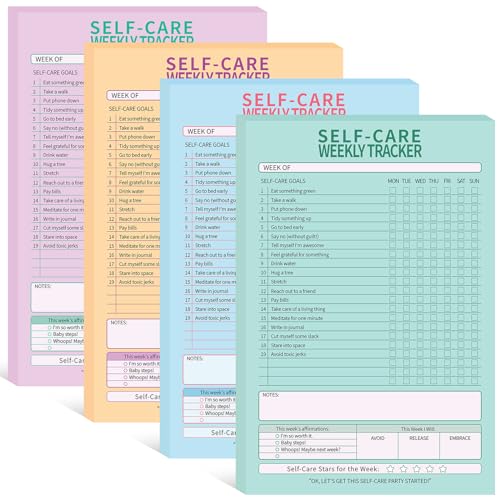
Cholemy 4 Pcs 240 Sheet Daily Checklist Weekly Tracker Pad 6 x 9 Inch Undated Notepad Productivity Schedule for Organizing Goals Mental Health Wellness Meal Prep Planner, 4 Colors (Self Care)
4 Color Options and Quality Material: our self care weekly tracker pads are designed to not only meet…
As an affiliate, we earn on qualifying purchases.
As an affiliate, we earn on qualifying purchases.
Conclusion
Tracking your progress with gentle KPIs helps you see your growth without added pressure. Remember, recovery isn’t a straight line, and every step forward counts. By focusing on small, meaningful changes, you’re building resilience and understanding yourself better. So, isn’t it worth celebrating even the tiniest victories along the way? Keep measuring with kindness, and trust that each effort brings you closer to a healthier, more balanced you.

JUBTIC Mood Tracker Journal, Mental Health Journal for Women, 100-Day Self Care & Anxiety Journal with Wellness Tracker and Monthly Reflection, ADHD Planner to Practice Positive Thinking, Rose Gold
[100 Days Mood Tracker and Mental Health Journal] This Mental Health Journal will help you keep track of…
As an affiliate, we earn on qualifying purchases.
As an affiliate, we earn on qualifying purchases.

The Set Boundaries Workbook: Practical Exercises for Understanding Your Needs and Setting Healthy Limits
As an affiliate, we earn on qualifying purchases.
As an affiliate, we earn on qualifying purchases.