

The best depression anxiety self-help books differ far more than their covers suggest — the real choice is between structured, workbook-style CBT programs and perspective-shifting reads that change how you relate to difficult thoughts. My top overall pick is Retrain Your Brain: Cognitive Behavioral Therapy in 7 Weeks, because its day-by-day structure turns evidence-based therapy into something you can actually stick with. Cognitive Behavioral Therapy Made Simple stands out as the most approachable starting point, while Unfuck Your Brain wins for readers who want science without jargon or clinical stiffness. The main tradeoff in this category: workbooks demand effort and consistency but deliver measurable skill-building, while narrative books are easier to finish yet offer fewer concrete tools. Keep reading for the full breakdown of all 15 titles and which one fits your situation.

Turn your wind-down time into listening time
- Thousands of audiobooks, podcasts and originals
- Listen on your phone, tablet or Echo — also offline
- Cancel anytime
Key Takeaways
- The single biggest divide in this lineup is between structured workbooks (Retrain Your Brain, the two 3-in-1 compilations) and narrative-driven books (Don’t Believe Everything You Think, Unlearning Anxiety & Depression) — the right choice depends on whether you need exercises or a mindset shift.
- The 3-in-1 DBT/CBT/ACT bundles pack the most total content per dollar, but their breadth comes at the cost of depth — they cover three therapies in the space single-method books devote to one.
- Religious framing is a genuine differentiator here: Heal Your Hurting Mind is the only title that integrates faith-based perspectives, making it the clear pick (or clear skip) depending on the reader.
- Stronger Than You Think is the only book written specifically for teens, and its tone and examples would feel off-putting to most adult readers — a reminder that audience fit matters as much as method.
- Several titles cover near-identical CBT ground (Retrain Your Brain, The Anxiety and Depression Workbook, CBT Made Simple); what separates them is pacing, daily structure, and how much hand-holding each provides.
- The swearing-and-straight-talk style of Unfuck Your Brain makes it polarizing: highly motivating for some readers, a dealbreaker for those who prefer a clinical voice.
| DBT, CBT, and ACT Workbook: 3 Books in 1 |  | Best Comprehensive Pick | Format: Workbook (3-in-1 compilation) | Therapy Approaches: DBT, CBT, ACT | Target Conditions: Anxiety, depression | VIEW LATEST PRICE | See Our Full Breakdown |
| Unfuck Your Brain: Getting Over Anxiety, Depression, Anger, Freak-Outs, and Triggers with Science |  | Best for Reluctant Readers | Format: Trade paperback / ebook | Approach: Science-based self-help | Target Conditions: Anxiety, depression, anger, triggers | VIEW LATEST PRICE | See Our Full Breakdown |
| You’re Not Broken · You’re Overwhelmed: Calming Anxiety with the Help of Great Minds |  | Best for the Emotionally Exhausted | Format: Book (paperback / ebook) | Approach: Insight-based, drawing on great thinkers | Target Conditions: Anxiety, overwhelm | VIEW LATEST PRICE | See Our Full Breakdown |
| Retrain Your Brain: Cognitive Behavioral Therapy in 7 Weeks |  | Best Structured Program | Format: Workbook | Therapy Approach: Cognitive Behavioral Therapy (CBT) | Program Length: 7 weeks, structured | VIEW LATEST PRICE | See Our Full Breakdown |
| The Anxiety and Depression Workbook: Simple, Effective CBT Techniques to Manage Moods and Feel Better Now |  | Best Value for Beginners | Format: Workbook (paperback) | Therapy Approach: Cognitive Behavioral Therapy (CBT) | Target Conditions: Anxiety, depression, mood management | VIEW LATEST PRICE | See Our Full Breakdown |
| Heal Your Hurting Mind: Biblical Hope for Anxiety, Depression, Burnout, and the Emotions No One Talks About |  | Best Faith-Based Pick | Format: Paperback / Hardcover / eBook | Publisher: Zondervan (Faith-based imprint) | Approach: Biblical counsel and spiritual encouragement | VIEW LATEST PRICE | See Our Full Breakdown |
| Break the Anxiety Circle: It’s Time to Close This Chapter, Move On, and Let Go | 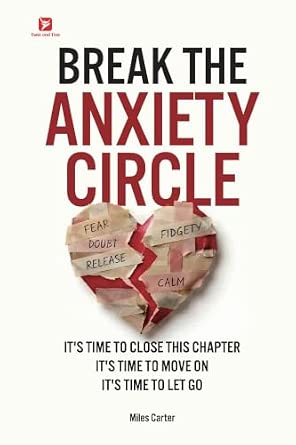 | Best for Emotional Letting Go | Format: Paperback / eBook | Approach: Emotional release and moving-forward strategies | Focus: Breaking anxiety cycles, closing past emotional chapters | VIEW LATEST PRICE | See Our Full Breakdown |
| Self-Talk for Stress, Anxiety, and Depression |  | Best for Inner-Dialogue Work | Format: Paperback / eBook | Approach: Positive self-talk and cognitive reframing | Topics Covered: Stress, anxiety, depression | VIEW LATEST PRICE | See Our Full Breakdown |
| Unlearning Anxiety & Depression: The 4-Step Self-Coaching Program to Reclaim Your Life |  | Best Structured Self-Coaching Program | Format: Paperback / eBook | Approach: Self-coaching program | Program Structure: 4 sequential steps | VIEW LATEST PRICE | See Our Full Breakdown |
| Overcoming Anxiety and Depression: Practical Tools to Help You Deal with Negative Emotions |  | Best Practical Toolkit for Negative Emotions | Format: Paperback / eBook | Publisher: Harvest House (Christian imprint) | Approach: Practical tools and coping strategies | VIEW LATEST PRICE | See Our Full Breakdown |
| ACT, CBT & DBT Workbook: 3-in-1 Guide to Overcoming Anxiety and Depression |  | Most Complete Therapy Toolkit | Format: Workbook (print and digital) | Therapy Methods: ACT, CBT, and DBT combined | Number of Exercises: 180+ | VIEW LATEST PRICE | See Our Full Breakdown |
| Don’t Feed the Monkey Mind: How to Stop the Cycle of Anxiety, Fear, and Worry |  | Best for Anxious Overthinkers | Format: Paperback and ebook | Focus: Anxiety, fear, and worry cycles | Approach: Practical thought-interruption strategies | VIEW LATEST PRICE | See Our Full Breakdown |
| Don’t Believe Everything You Think (Expanded Edition): Why Your Thinking Is The Beginning & End Of Suffering |  | Best Mindset Shift Pick | Format: Expanded edition, print and digital | Focus: Thought patterns, beliefs, and mental suffering | Approach: Awareness-based and philosophical | VIEW LATEST PRICE | See Our Full Breakdown |
| Cognitive Behavioral Therapy Made Simple: 10 Strategies for Managing Anxiety, Depression, Anger, Panic, and Worry |  | Best Beginner-Friendly CBT Primer | Format: Print, ebook, and audiobook | Therapy Method: Cognitive Behavioral Therapy (CBT) | Core Content: 10 strategies | VIEW LATEST PRICE | See Our Full Breakdown |
| Stronger Than You Think: A Teen’s Handbook for Transforming Stress and Anxiety into Power |  | Best for Teens | Format: Print and digital | Target Audience: Teenagers | Focus: Stress and anxiety transformation | VIEW LATEST PRICE | See Our Full Breakdown |
| depression anxiety self-help book | Format | Structure | Approach |
|---|---|---|---|
| DBT | Workbook (3-in-1 compilation) | Practical exercises and strategies | — |
| Unfuck Your Brain: Getting Ove | Trade paperback / ebook | Narrative advice, not workbook-based | Science-based self-help |
| You’re Not Broken · You’re Ove | Book (paperback / ebook) | Reflective insights plus practical strategies | Insight-based, drawing on great thinkers |
| Retrain Your Brain: Cognitive | Workbook | Weekly exercises and milestones | — |
| The Anxiety and Depression Wor | Workbook (paperback) | Modular techniques, use-as-needed | — |
| Heal Your Hurting Mind: Biblic | Paperback / Hardcover / eBook | Reflective chapters, not a step-by-step program | Biblical counsel and spiritual encouragement |
| Break the Anxiety Circle: It’s | Paperback / eBook | Practical guidance chapters | Emotional release and moving-forward strategies |
| Self-Talk for Stress | Paperback / eBook | Technique-based chapters and exercises | Positive self-talk and cognitive reframing |
| Unlearning Anxiety & Depressio | Paperback / eBook | — | Self-coaching program |
| Overcoming Anxiety and Depress | Paperback / eBook | Tool-based chapters | Practical tools and coping strategies |
| ACT | Workbook (print and digital) | Guided activities for emotional resilience | — |
| Don’t Feed the Monkey Mind: Ho | Paperback and ebook | — | Practical thought-interruption strategies |
| Don’t Believe Everything You T | Expanded edition, print and digital | — | Awareness-based and philosophical |
| Cognitive Behavioral Therapy M | Print, ebook, and audiobook | — | — |
| Stronger Than You Think: A Tee | Print and digital | — | Strength-based resilience building with exercises |
More Details on Our Top Picks
DBT, CBT, and ACT Workbook: 3 Books in 1
This is the most complete toolkit in this batch, weaving together three evidence-based therapy models — DBT for emotional regulation, CBT for thought restructuring, and ACT for acceptance-based coping. Compared with Retrain Your Brain, which commits to a single CBT track, this option suits readers who don’t yet know which therapeutic approach fits their brain. That breadth is also its weakness: the pacing assumes some familiarity with psychological concepts, so absolute beginners may feel lost. The lack of a named author or edition detail also makes it harder to vet credentials compared with established titles like Unfuck Your Brain. Still, for anyone working alongside a therapist, this makes the most sense as a multi-method companion volume.
Pros:- Combines three evidence-based approaches in a single resource
- Practical exercises that translate therapy concepts into daily action
- Works well as a supplement to ongoing professional therapy
- Lets readers sample different methods before committing to one
Cons:- Content is too advanced for readers with no prior exposure to therapy concepts
- No named author, edition, or credentialing information to verify expertise
Best for: Readers already somewhat familiar with therapy concepts who want a wide-ranging, multi-modality workbook to use alongside professional treatment
Not ideal for: Complete beginners or readers in acute crisis — the density and assumed background make it a frustrating first self-help book
- Format:Workbook (3-in-1 compilation)
- Therapy Approaches:DBT, CBT, ACT
- Target Conditions:Anxiety, depression
- Structure:Practical exercises and strategies
- Author:Not specified
- Use Case:Self-help and therapy support
Our verdict“Pick this if you want maximum therapeutic breadth and already have some footing in self-help psychology; skip it if this is your very first book on the subject.”
Unfuck Your Brain: Getting Over Anxiety, Depression, Anger, Freak-Outs, and Triggers with Science
Where most workbooks in this roundup demand weeks of exercises, this one wins on tone and accessibility — the blunt, conversational voice is built for people who would never otherwise pick up a mental health book. Compared with The Anxiety and Depression Workbook, it reads less like homework and more like a knowledgeable friend explaining the neuroscience of your freak-outs. The tradeoff is structure: there are no worksheets or week-by-week plans, so readers who need a concrete program will get more from Retrain Your Brain. Its science-grounded framing is genuinely useful for skeptics who distrust fluffy self-help, though the coverage of depression is lighter than its anxiety material.
Pros:- Science-based techniques explained in plain language
- Irreverent, approachable tone lowers the barrier to actually reading it
- Covers anger, triggers, and freak-outs alongside anxiety and depression
- Practical advice that can be applied immediately
Cons:- Not a structured workbook — no exercises, schedules, or progress framework
- Depression coverage is thinner than the anxiety material
- Casual tone and language may not resonate with all readers
Best for: Skeptical readers or self-help avoiders who want science-backed explanations in plain, irreverent language without a homework-heavy program
Not ideal for: Readers wanting a structured workbook with daily exercises and measurable progress tracking
- Format:Trade paperback / ebook
- Approach:Science-based self-help
- Target Conditions:Anxiety, depression, anger, triggers
- Structure:Narrative advice, not workbook-based
- Tone:Direct, irreverent, conversational
- Use Case:Self-guided reading
Our verdict“This is the entry point for people who roll their eyes at typical self-help; readers who want structure should pair it with or choose a workbook instead.”
You’re Not Broken · You’re Overwhelmed: Calming Anxiety with the Help of Great Minds
This one carves out a niche the other four don’t touch: emotional validation before technique. Instead of leading with exercises like The Anxiety and Depression Workbook, it leans on wisdom from great thinkers to reframe anxiety as overwhelm rather than brokenness — a message that lands best for readers too depleted for a 7-week program. Compared with Unfuck Your Brain, it is gentler and more reflective, trading punchy neuroscience for philosophical reassurance. The tradeoff is practicality: strategies require patience and reflection to implement, and there is little of the hands-on structure that makes Retrain Your Brain so actionable. It is also the least documented title in this batch, with thin availability of reviews.
Pros:- Deeply validating framing: overwhelm, not brokenness
- Draws on insights from renowned thinkers rather than generic advice
- Calming, reflective tone well suited to depleted readers
- Practical strategies for regaining a sense of control
Cons:- Strategies take time and reflection to implement — slow payoff
- Limited reviews and content details make it a harder purchase to vet
Best for: Burned-out readers who first need to feel understood and reframed as overwhelmed rather than broken before tackling technique-heavy workbooks
Not ideal for: Action-oriented readers who want immediate exercises and measurable tools — this book prioritizes insight over step-by-step practice
- Format:Book (paperback / ebook)
- Approach:Insight-based, drawing on great thinkers
- Target Conditions:Anxiety, overwhelm
- Structure:Reflective insights plus practical strategies
- Tone:Validating, calming
- Use Case:Self-guided reading
Our verdict“Choose this when exhaustion makes a workbook feel impossible; choose a CBT program instead when you’re ready to actively work.”
Retrain Your Brain: Cognitive Behavioral Therapy in 7 Weeks
If accountability is what keeps you from finishing self-help books, this 7-week CBT program solves that with a fixed schedule and weekly milestones. Compared with The Anxiety and Depression Workbook, which offers techniques you can dip into freely, this book imposes a curriculum — a real advantage for readers who flounder without deadlines, but a limitation for anyone who wants to cherry-pick tools. It is more approachable than the DBT, CBT, and ACT Workbook because it teaches one method thoroughly instead of three superficially. The honest caveat: a self-guided format has a ceiling, and readers with severe depression or anxiety will likely need professional support alongside it.
Pros:- Clear 7-week structure creates accountability and momentum
- Teaches one proven method (CBT) thoroughly rather than skimming several
- Practical weekly exercises tailored to anxiety and depression
- Fully accessible for self-guided use without a therapist
Cons:- Rigid program format doesn’t suit readers who prefer to browse techniques
- Insufficient on its own for severe or clinical-level symptoms
Best for: Self-motivated readers with mild to moderate symptoms who thrive on schedules and want a clear finish line
Not ideal for: Readers with severe depression or anxiety — self-guided CBT alone is unlikely to be enough without professional support
- Format:Workbook
- Therapy Approach:Cognitive Behavioral Therapy (CBT)
- Program Length:7 weeks, structured
- Target Conditions:Depression, anxiety
- Structure:Weekly exercises and milestones
- Use Case:Self-guided therapy program
Our verdict“The best pick here if a deadline-driven, week-by-week program is what will actually get you to do the work.”
The Anxiety and Depression Workbook: Simple, Effective CBT Techniques to Manage Moods and Feel Better Now
This is the most beginner-friendly CBT workbook of the batch — simple explanations, low-commitment exercises, and no assumed background knowledge. Where Retrain Your Brain demands a 7-week commitment, this can be opened at any chapter when you need a tool now, which matters on bad days when a full program feels impossible. Compared with Unfuck Your Brain, it offers actual hands-on practice rather than narrative explanation alone. The tradeoff is depth: readers who want the broader toolkit of the DBT, CBT, and ACT Workbook will outgrow this one, and results genuinely depend on consistent use — dipping in occasionally won’t shift entrenched mood patterns.
Pros:- Simple, jargon-free CBT techniques a total beginner can use immediately
- Flexible, chapter-by-chapter format — no program to commit to
- Focused specifically on mood management for anxiety and depression
- Affordable, widely available paperback from an established publisher
Cons:- Results require consistent practice, not casual dipping in
- Depth is limited — experienced self-help readers will outgrow it quickly
Best for: First-time self-help buyers with mild anxiety or low mood who want simple, flexible CBT techniques without a rigid schedule
Not ideal for: Readers with entrenched or long-standing symptoms who need deeper, multi-modal work — this is a starter tool, not a full treatment
- Format:Workbook (paperback)
- Therapy Approach:Cognitive Behavioral Therapy (CBT)
- Target Conditions:Anxiety, depression, mood management
- Structure:Modular techniques, use-as-needed
- Difficulty Level:Beginner
- Use Case:Self-guided practice
Our verdict“The smart first purchase for beginners who want easy CBT tools on demand; move up to a multi-method workbook once the basics stick.”
Heal Your Hurting Mind: Biblical Hope for Anxiety, Depression, Burnout, and the Emotions No One Talks About
Most titles in this roundup take a clinical route, but this one carves out a different lane: emotional healing through scripture. Where Unfuck Your Brain leans on neuroscience and Retrain Your Brain on structured CBT homework, this book speaks to readers whose recovery journey is rooted in faith. Its willingness to address burnout and rarely-discussed emotions gives it broader emotional range than the purely anxiety-focused titles here. That said, the tradeoff is real: if you want worksheets, exercises, or evidence-based protocols, this won’t deliver — it offers hope and perspective rather than a treatment framework. Compared with Overcoming Anxiety and Depression (also from a Christian publisher), this pick goes deeper on the emotional and spiritual dimensions rather than toolkits. Pair it with a workbook if you want both worlds.
Pros:- Biblical perspective that resonates deeply with faith-oriented readers
- Covers burnout and difficult emotions most self-help books avoid
- Warm, encouraging tone suited to readers in emotional crisis
- Complements secular workbooks well as a source of hope
Cons:- Lacks detailed scientific or clinical grounding found in CBT-based rivals
- No structured exercises or actionable program to follow
- Faith framing limits appeal for secular readers
Best for: Christian readers who want anxiety and depression support framed through biblical hope rather than clinical technique
Not ideal for: Readers seeking secular, science-backed methods like the CBT and ACT workbooks elsewhere in this guide
- Format:Paperback / Hardcover / eBook
- Publisher:Zondervan (Faith-based imprint)
- Approach:Biblical counsel and spiritual encouragement
- Topics Covered:Anxiety, depression, burnout, difficult emotions
- Structure:Reflective chapters, not a step-by-step program
- Audience:Christian readers seeking faith-based mental health support
- Exercises Included:No — insight-driven rather than workbook-style
Our verdict“Buy this if faith is central to your healing journey; skip it if you want evidence-based exercises.”
Break the Anxiety Circle: It’s Time to Close This Chapter, Move On, and Let Go
Where most anxiety books in this lineup attack symptoms with technique, this one targets the emotional attachments that keep anxiety cycling. Its premise — that readers need to close old emotional chapters rather than manage panic in the moment — positions it closer to Don’t Believe Everything You Think in spirit than to the workbook-heavy Anxiety and Depression Workbook. That makes it a fit for people who feel stuck replaying the past rather than those needing coping tools for acute stress. The honest tradeoff: this is a low-information listing with no visible author credentials or reader reviews, so you’re buying on premise alone. Compared with Self-Talk for Stress, Anxiety, and Depression, which shares the thin-metadata problem, this book’s narrower focus on letting go gives it a clearer identity.
Pros:- Targets the emotional roots of anxiety rather than surface symptoms
- Practical strategies for breaking repetitive worry cycles
- Accessible framing around moving on and letting go
- Focused single-topic scope avoids overwhelm
Cons:- No author information or edition details available
- Zero customer reviews to gauge real-world effectiveness
- Lacks the structured exercises of workbook-based competitors
Best for: Readers trapped in repetitive worry loops who want an emotionally-focused approach over clinical exercises
Not ideal for: Buyers who prioritize author credentials, reviews, or proven CBT structure before purchasing
- Format:Paperback / eBook
- Approach:Emotional release and moving-forward strategies
- Focus:Breaking anxiety cycles, closing past emotional chapters
- Structure:Practical guidance chapters
- Clinical Framework:None specified
- Author Transparency:Limited — minimal public information
- Reader Feedback:No reviews or ratings published
Our verdict“A premise-driven pick for letting go of the past — but go in knowing you’re betting on an unproven title.”
Self-Talk for Stress, Anxiety, and Depression
This book’s single-mechanism focus on self-talk is both its strength and its limitation. Rather than the multi-modal approach of the DBT, CBT, and ACT Workbook, it drills into one high-leverage habit: changing how you speak to yourself. For readers who recognize that their inner critic fuels their low moods, that narrow focus is a feature — there’s less to learn and more to apply. The technique itself overlaps with the cognitive restructuring in Cognitive Behavioral Therapy Made Simple, but presented in plainer, less clinical language. The tradeoffs mirror Break the Anxiety Circle: no reviews, no detailed specs, and uneven results depending on the reader. Depression is also harder to shift through self-talk alone than anxiety, so readers with severe symptoms should treat this as a supplement, not a primary plan.
Pros:- Simple, repeatable self-talk techniques that apply immediately
- Plain language without clinical jargon
- Addresses stress, anxiety, and depression together
- Low commitment — easy entry point for self-help beginners
Cons:- Single-technique focus may not cover all symptom types
- No customer reviews or ratings to validate effectiveness
- Thin supplementary material compared with workbook rivals
Best for: Readers whose negative inner dialogue is the main driver of their stress and low mood
Not ideal for: Anyone with moderate-to-severe depression who needs a structured, multi-technique program or professional support
- Format:Paperback / eBook
- Approach:Positive self-talk and cognitive reframing
- Topics Covered:Stress, anxiety, depression
- Structure:Technique-based chapters and exercises
- Clinical Basis:Cognitive principles, informally presented
- Difficulty Level:Beginner-friendly
- Reader Feedback:No published reviews
Our verdict“A good first step if harsh self-talk is your core struggle, but pair it with a fuller program for deeper depression.”
Unlearning Anxiety & Depression: The 4-Step Self-Coaching Program to Reclaim Your Life
The defining feature here is structure: a named 4-step program the reader works through as their own coach. That puts it in direct competition with Retrain Your Brain, which offers a 7-week CBT schedule — the difference is that this book frames recovery as unlearning learned patterns rather than completing weekly lessons. Readers who chafe at rigid homework schedules but still want a roadmap will prefer this coaching model; readers who want day-by-day guidance won’t. Its empowerment angle — you as the agent of your own recovery — contrasts nicely with the passive-reading style of Heal Your Hurting Mind. Realistically, the drawback is variable effectiveness without a therapist’s guidance, and there’s no supplementary material, so self-motivated readers will get far more from it than those who need external accountability.
Pros:- Clear 4-step framework that’s easy to follow and remember
- Empowers readers as active participants, not passive students
- Addresses both anxiety and depression in one system
- More flexible than fixed-schedule programs like 7-week plans
Cons:- Self-coaching requires discipline many struggling readers may lack
- No supplementary materials or workbook components
- Results vary heavily with individual circumstances
Best for: Self-directed readers who want a clear, numbered program they can drive themselves without a therapist
Not ideal for: Readers needing daily schedules, external accountability, or professional-level clinical depth
- Format:Paperback / eBook
- Approach:Self-coaching program
- Program Structure:4 sequential steps
- Topics Covered:Anxiety and depression
- Reader Role:Active self-coached participant
- Supplementary Materials:None provided
- Time Commitment:Self-paced
- Difficulty Level:Intermediate — requires self-discipline
Our verdict“The strongest pick in this batch for motivated self-starters who want a defined path without therapist dependence.”
Overcoming Anxiety and Depression: Practical Tools to Help You Deal with Negative Emotions
This title sits in the middle of the pack by design: it’s a broad toolkit for handling negative emotions rather than a deep dive into any single method. Compared with Cognitive Behavioral Therapy Made Simple, which organizes life around ten named strategies, this book trades that level of specificity for wider emotional coverage — anger, sadness, fear, and general negativity alongside anxiety and depression. Coming from a Christian publisher, it may carry a subtle faith undertone, which distinguishes it from fully secular rivals like Unfuck Your Brain while remaining lighter on scripture than Heal Your Hurting Mind. The tradeoffs are transparency-related: no visible author credentials, no reviews, and no content-depth information. If you want a general-purpose emotional first-aid kit and don’t mind an unproven listing, it works; if you want verified methods, the CBT workbooks in this guide are safer bets.
Pros:- Broad coverage of negative emotions beyond just anxiety
- Practical, applicable tools rather than abstract theory
- Accessible for readers new to self-help
- Gentler tone than blunt secular counterparts
Cons:- No author credentials or content-depth details published
- No customer reviews to gauge real-world results
- Jack-of-all-trades scope means less depth on any one condition
Best for: Readers wanting a general-purpose set of coping tools for a wide range of negative emotions, not just anxiety
Not ideal for: Buyers who need verified clinical methods, author credentials, or social proof before committing
- Format:Paperback / eBook
- Publisher:Harvest House (Christian imprint)
- Approach:Practical tools and coping strategies
- Topics Covered:Anxiety, depression, negative emotions
- Structure:Tool-based chapters
- Exercises Included:Practical tools, not a formal program
- Reader Feedback:No published reviews or ratings
- Audience:General self-help readers
Our verdict“A reasonable all-purpose starter toolkit if you’d rather have breadth than proven depth — cautious buyers should pick a reviewed CBT workbook instead.”
ACT, CBT & DBT Workbook: 3-in-1 Guide to Overcoming Anxiety and Depression
For readers who want everything in one place, this workbook is the deepest option in this batch. With over 180 exercises spanning ACT, CBT, and DBT, it covers more therapeutic ground than Cognitive Behavioral Therapy Made Simple, which sticks to ten CBT strategies. That breadth translates into flexibility: a reader dealing with racing thoughts, emotional spirals, and avoidance behaviors can pull different tools from each modality rather than forcing one method to fit every problem.
The tradeoff is intensity. Where Don’t Feed the Monkey Mind eases you in with plain-language strategies, this workbook expects commitment and can feel dense for someone just starting out. It also explains what to do more than why each therapy works, so readers wanting theory should pair it with something more explanatory.
Pros:- Combines three evidence-based therapy approaches (ACT, CBT, DBT) in a single resource
- Over 180 exercises means long-term value and repeated use
- Targets both anxiety and depression rather than one condition alone
- Practical, worksheet-driven format mirrors real clinical homework
Cons:- Content is intensive and may overwhelm readers new to therapy concepts
- Brief explanations of each therapy method — more prescriptive than educational
- Little market feedback available to gauge real-world effectiveness
Best for: Self-directed readers who already know therapy works for them and want a structured, multi-method exercise program they can work through over months
Not ideal for: Complete beginners or readers in an acute low-motivation period — the sheer volume of activities can feel overwhelming when simply opening a book is already hard
- Format:Workbook (print and digital)
- Therapy Methods:ACT, CBT, and DBT combined
- Number of Exercises:180+
- Target Conditions:Anxiety and depression
- Skill Level:Intermediate to advanced self-help readers
- Structure:Guided activities for emotional resilience
Our verdict“Buy this if you want a full self-help curriculum in one volume and have the discipline to work through it; skip it if you need a gentler on-ramp.”
Don’t Feed the Monkey Mind: How to Stop the Cycle of Anxiety, Fear, and Worry
This pick is aimed squarely at the reader whose core problem is the worry loop itself — the anxious mind that generates fear and then worries about worrying. Compared with Don’t Believe Everything You Think, which takes a broader philosophical angle on suffering, this book is narrower and more tactical: its entire premise is interrupting the cycle of anxious thoughts before it gains momentum.
That specificity is its strength and its limit. Readers carrying depression alongside anxiety will find less here than in the ACT, CBT & DBT Workbook, which dedicates real space to low mood. The writing style is more conversational than clinical, making it a good middle ground for people who found dense workbooks intimidating but want more substance than a short inspirational read.
Pros:- Focused, practical strategies rather than abstract theory
- Directly addresses the self-perpetuating worry cycle
- Accessible, conversational tone that’s easier to finish than clinical workbooks
- Short enough to read during an anxious period without feeling like homework
Cons:- Narrow scope — anxiety and worry only, light on depression
- Lacks structured exercises or worksheets compared with CBT workbooks in this roundup
- Techniques may feel repetitive for readers already familiar with mindfulness basics
Best for: High-functioning anxious overthinkers who ruminate constantly and want short, practical interruption techniques rather than a full therapy program
Not ideal for: Readers whose primary struggle is depression — the book centers on anxiety and worry and has little to say about low mood, fatigue, or hopelessness
- Format:Paperback and ebook
- Focus:Anxiety, fear, and worry cycles
- Approach:Practical thought-interruption strategies
- Tone:Conversational, non-clinical
- Target Reader:Adults with anxiety-driven overthinking
- Length:Concise single-topic volume
Our verdict“The right choice if repetitive worry is your main complaint; pair it with a broader workbook if depression is also in the picture.”
Don’t Believe Everything You Think (Expanded Edition): Why Your Thinking Is The Beginning & End Of Suffering
Where most books in this roundup teach techniques, this one interrogates the nature of thought itself. Its central argument — that suffering begins and ends with believing your own thinking — puts it closer to a philosophy of mind than a treatment manual. Compared with Don’t Feed the Monkey Mind, which gives you tactics to fight anxious thoughts, this book asks whether fighting them is the problem in the first place.
The expanded edition adds content that deepens the original’s argument, which matters for readers who found the first version too thin. But this is not passive reading: it demands slow, reflective engagement, and readers who want checklists — the audience for Cognitive Behavioral Therapy Made Simple — may find it too abstract to act on. It works best as a companion to a structured workbook, not a replacement for one.
Pros:- Offers a genuinely different framework rather than recycling common CBT tips
- Encourages lasting self-awareness and belief-questioning habits
- Expanded edition adds meaningful depth over the original
- Readable for a book tackling an abstract subject
Cons:- Abstract concepts may not land for readers in acute distress
- Requires honest reflective work — benefits depend entirely on reader effort
- No structured exercises or step-by-step program to follow
Best for: Reflective readers who already know the standard anxiety tips and want a deeper inquiry into why thoughts create suffering in the first place
Not ideal for: Action-oriented readers who want immediate exercises and measurable progress — the conceptual approach can feel impractical when you’re spiraling
- Format:Expanded edition, print and digital
- Focus:Thought patterns, beliefs, and mental suffering
- Approach:Awareness-based and philosophical
- Edition:Expanded with additional content
- Target Reader:Reflective self-development readers
- Exercise Component:Minimal — reflection-driven
Our verdict“Choose this as a mindset companion to a practical workbook, not as your primary tool for managing symptoms.”
Cognitive Behavioral Therapy Made Simple: 10 Strategies for Managing Anxiety, Depression, Anger, Panic, and Worry
This is the easiest entry point into evidence-based self-help in the batch. Ten strategies, plain language, and a scope that covers anxiety, depression, anger, panic, and worry — a wider emotional range than Don’t Feed the Monkey Mind offers. For someone who has never touched CBT and finds the 180-exercise volume of the ACT, CBT & DBT Workbook intimidating, this pared-down format removes the biggest barrier to starting: overwhelm.
The compromise is depth. Each strategy gets a straightforward treatment, which means readers with entrenched, long-running patterns may hit the ceiling quickly and graduate to something like Retrain Your Brain: Cognitive Behavioral Therapy in 7 Weeks for a fuller program. And unlike the workbook pick, there’s little in the way of guided worksheets, so the “simple” in the title is both the appeal and the limit. It’s the book I’d hand someone on day one of their self-help journey — not year three.
Pros:- Ten clearly organized strategies — easy to start and finish
- Covers anxiety, depression, anger, panic, and worry in one accessible volume
- Plain-language explanations with no clinical jargon
- Low time commitment — realistic for readers with limited energy or focus
Cons:- Limited depth on each strategy compared with full CBT programs in this roundup
- Few structured exercises or worksheets to reinforce the concepts
- Thin supplementary detail makes it more primer than complete toolkit
Best for: First-time self-help readers who want a short, low-commitment introduction to CBT that covers multiple emotional struggles at once
Not ideal for: Readers who have already tried basic CBT concepts and need deeper structure, worksheets, or a longer progressive program
- Format:Print, ebook, and audiobook
- Therapy Method:Cognitive Behavioral Therapy (CBT)
- Core Content:10 strategies
- Covers:Anxiety, depression, anger, panic, worry
- Skill Level:Beginner
- Style:Accessible, non-clinical language
Our verdict“The best first book if CBT is new to you and you want results-oriented basics; plan to graduate to a deeper workbook once these strategies feel familiar.”
Stronger Than You Think: A Teen’s Handbook for Transforming Stress and Anxiety into Power
This is the only title in the roundup written specifically for teenagers, and that changes everything about how it should be judged. Adult books like Cognitive Behavioral Therapy Made Simple assume a reader managing bills, jobs, and adult relationships; this handbook speaks to school stress, peer pressure, and identity — the actual stressors teens face. Its reframing of stress into personal power is a deliberate motivational choice, targeting an audience that disengages from anything that feels like a lecture.
Adults should skip it — not because it’s weak, but because its exercises and examples will feel juvenile outside the teen context. Compared with the adult workbooks here, it also lacks clinical depth, and with little reader feedback available, parents are buying on promise rather than proven track record. For a teen who won’t touch a clinical workbook, though, promise may be enough.
Pros:- Written for teen stressors: school, peers, and identity rather than adult problems
- Includes actionable exercises, not just encouragement
- Positive ‘strength-based’ framing that keeps resistant teen readers engaged
- Builds resilience and confidence alongside anxiety management
Cons:- Limited clinical depth compared with adult CBT and DBT workbooks in this roundup
- Sparse customer reviews make real-world effectiveness hard to gauge
- Motivational tone may feel gimmicky to skeptical older teens
Best for: Teenagers (or parents buying for them) who resist clinical language and respond better to empowering, resilience-focused framing
Not ideal for: Adult readers — the teen-specific examples, tone, and exercises won’t translate to adult stressors or depression patterns
- Format:Print and digital
- Target Audience:Teenagers
- Focus:Stress and anxiety transformation
- Approach:Strength-based resilience building with exercises
- Tone:Empowering and motivational
- Exercise Component:Included — actionable activities
Our verdict“The pick to buy for a stressed teenager who has rejected adult self-help books; adults should choose a CBT workbook from higher in this list instead.”

How We Picked
I evaluated each book through the lens a buyer actually cares about: evidence base, structure, accessibility, and fit for specific situations. Evidence base means the techniques trace back to established approaches — CBT, DBT, ACT, or well-supported behavioral science — rather than vague positivity. Structure refers to whether the book gives you a usable program: daily plans, worksheets, clear progression, and a realistic time commitment. Accessibility covers writing style, jargon level, and whether a stressed or depressed reader could realistically stay engaged with it.
The ranking order reflects a simple logic: books that combine proven methods with doable structure rank highest, because follow-through is the biggest failure point in self-help. Books with a narrower but well-executed angle — teen focus, faith-based framing, mindset philosophy — rank in the middle, since they’re excellent for their audience but wrong for everyone else. The bottom tier consists of titles that overlap heavily with stronger picks without matching their clarity, depth, or execution. Where two books cover the same therapy, I favored the one with tighter pacing and more actionable exercises.
Factors to Consider When Choosing Depression Anxiety Self-help Books
Before picking a specific title, it helps to understand what actually separates a useful self-help book from one that sits half-finished on a nightstand. These are the factors that shaped my rankings — and the mistakes I see buyers make most often.
Workbook or Narrative — Know Which Format You’ll Actually Use
The most common mistake buyers make is choosing a format that doesn’t match their energy levels. Depression and anxiety sap motivation, and a demanding workbook with daily exercises can become another source of guilt when you skip a week. Workbooks build real skills, but only if you do the work; narrative books can be finished in a low-energy state and still shift your perspective. If you’re in a rough patch, a gentler narrative book like Don’t Believe Everything You Think may be the smarter first purchase, with a structured workbook as step two. If you’re functioning well but stuck in anxious patterns, go straight to a program-style book. Be honest with yourself about your current capacity — it’s the best predictor of whether any book helps.
Match the Therapy Type to Your Symptoms
CBT, DBT, and ACT are not interchangeable, and the differences matter. CBT targets distorted thinking patterns — best for depression, chronic worry, and rumination. ACT focuses on accepting thoughts rather than arguing with them, which suits people who’ve tried logic and lost, or whose anxiety shows up as avoidance. DBT emphasizes emotional regulation and distress tolerance, making it a better fit for intense mood swings or overwhelm. Most single-method books in this roundup are CBT-based because it has the deepest research support for both depression and anxiety, but that doesn’t make it the only valid choice. If you already know one approach hasn’t worked for you, buy a book built on a different method rather than another CBT variation.
Beware the 3-in-1 Trap
Bundled workbooks promising three therapies in one volume look like exceptional value, and per-page they are. The tradeoff is depth: covering DBT, CBT, and ACT in one book means each gets roughly a third of the attention a dedicated book would give it. For a curious beginner who isn’t sure which approach resonates, a 3-in-1 is a legitimate and economical starting point. For someone with persistent symptoms, a single-method book with full progression will usually produce better results. Think of the bundle as a sampler, not a treatment plan. Two of the three bundles in this category also overlap heavily with each other, so buying both is almost always redundant.
Voice and Tone Are Not Cosmetic
A book’s tone determines whether you finish it, and tone is deeply personal. Some readers connect with blunt, profanity-laced directness and find clinical language alienating; others find the same blunt style gimmicky and want a calm, professional voice. Read the free sample before buying — every major retailer offers one — and pay attention to whether the author’s voice makes you feel understood or lectured. This also applies to spiritual framing: a faith-integrated book can be powerful for religious readers and completely mismatched for secular ones. There is no objectively correct tone, only the one that keeps you reading.
Set Realistic Expectations About What a Book Can Do
Self-help books have genuine research support for mild-to-moderate symptoms, but they are not a replacement for therapy when symptoms are severe, persistent, or involve thoughts of self-harm. The best books position themselves as tools alongside professional care, not substitutes for it, and I weighted titles accordingly. If you’ve been struggling for years, if daily functioning is impaired, or if a book’s exercises consistently feel impossible to attempt, that’s a signal to involve a therapist or doctor. A useful reframe: a good book costs less than a single therapy session and can make therapy itself more effective by giving you vocabulary and skills in advance. Buy the book, but don’t let it become a reason to delay help you need.
Consider Time Commitment and Pacing
Books in this category range from weekend reads to multi-week programs, and buyers routinely underestimate the commitment a structured program requires. A 7-week workbook assumes roughly 15–30 minutes of daily engagement; if your schedule or energy won’t allow that, a shorter, strategy-based book with ten discrete techniques you can apply individually will serve you better than an abandoned program. Program length also signals intensity — longer programs dig deeper but carry higher dropout risk. Check the page count, the stated timeline, and whether the book tells you what to do if you miss days. The best structured books build in flexibility precisely because their authors know relapse and skipped sessions are normal, not failures.
Frequently Asked Questions
Can a self-help book actually help with diagnosed depression and anxiety, or do I need therapy?
For mild to moderate symptoms, structured self-help books — particularly CBT-based workbooks — have meaningful research support and can produce improvements comparable to some guided interventions. They work best when your symptoms don’t severely impair daily functioning and when you can commit to actually doing the exercises rather than just reading. For more severe or long-standing symptoms, books tend to work better as a complement to professional treatment than a replacement for it. A practical approach many people take: start with a workbook like Retrain Your Brain for six to eight weeks, and if you see no movement or things worsen, bring in a therapist. If you’re experiencing thoughts of self-harm, skip self-help entirely as a first step and contact a professional or crisis line immediately — no book on this list is designed for that situation.
Should I buy a 3-in-1 bundle (DBT, CBT, and ACT) or a single-method book?
It depends on how much you already know about what works for you. The 3-in-1 bundles are genuinely good for beginners who are unsure which therapeutic approach fits, since they let you sample CBT, DBT, and ACT before committing to a full program in any one of them. The cost is depth: each method gets compressed coverage, and the exercises tend to be more introductory than what a dedicated book provides. If you already know that cognitive techniques resonate with you — or that they haven’t worked and you want to try acceptance-based methods — a single-method book will take you further. A reasonable strategy is to buy one bundle first, note which section you actually engaged with, then invest in a dedicated book on that method.
Are the sweary, blunt-titled books like Unfuck Your Brain gimmicks or do they work?
The tone is a marketing choice, but the content underneath it is often solid — Unfuck Your Brain is grounded in legitimate neuroscience and behavioral science despite the packaging. Whether it works for you depends almost entirely on how you respond to that voice. Some readers with depression or anxiety find blunt, irreverent language validating and easier to absorb than clinical prose, especially if traditional therapy-speak has felt alienating. Others find it grating after a few chapters, and a book you stop reading helps no one. My suggestion is to preview the first chapter free before buying, and if the voice clicks within the first few pages, the substance is there to back it up.
What’s the best option if I barely have energy or motivation to read?
Start with a short narrative book rather than a workbook — something like Don’t Believe Everything You Think or Don’t Feed the Monkey Mind can be read in small sittings with no exercises required. This matters because low motivation is a core symptom of depression, and a demanding program can turn into one more thing you’re failing at. Narrative books still deliver value passively: they change how you interpret your thoughts, which can create enough traction to attempt a structured workbook later. If you can manage only five minutes a day, that’s enough for a short chapter. Once your energy improves — or if the narrative book creates some momentum — that’s the moment to move to a CBT workbook for actual skill-building.
Is there a good option for a teenager, or should I just buy an adult book?
Adult books are usually a poor fit for teens because the examples, tone, and life contexts assume adult problems like work stress and marriage. Stronger Than You Think was written specifically for teens, with school pressure, social comparison, and identity issues built into its exercises, and it’s the clear pick in this lineup for that age group. That said, an adult book can work for a mature older teen — around 16 and up — especially a readable one like CBT Made Simple. If you’re buying for a teen who’s resistant to the idea of self-help, the teen-specific book is the safer bet because feeling talked down to or spoken past is the fastest way to lose them. Involve them in the choice where possible; a book they picked themselves has far better odds of getting read.
Conclusion
There’s no single winner in this category — there’s a winner for your situation. For best overall, Retrain Your Brain earns the top spot because its 7-week structure delivers proven CBT in a format people actually complete. For best value, the DBT, CBT, and ACT Workbook: 3 Books in 1 packs three therapy approaches into one inexpensive volume — an unmatched sampler if you’re unsure where to start. For best for beginners, Cognitive Behavioral Therapy Made Simple strips CBT down to ten digestible strategies without overwhelming jargon or homework demands. For best for specific needs: Heal Your Hurting Mind for readers who want faith-integrated guidance, Stronger Than You Think for teens, Unlearning Anxiety & Depression for people who’ve already tried standard CBT, and Unfuck Your Brain for anyone who wants blunt science over clinical calm. Whatever you choose, the deciding factor isn’t which book is objectively best — it’s which one you’ll actually open again next week.
Halloween Picks
halloween
As an affiliate, we earn on qualifying purchases.