
TL;DR
Stress relief toys for students are simple, effective tools to manage anxiety and boost focus. They come in many forms—fidget toys, stress balls, sensory bottles—and are affordable and easy to use. Proper selection can support mental health in school environments.
Imagine sitting in a crowded classroom, feeling your nerves tighten with every quiz or presentation. Now imagine having a tiny, discreet tool in your pocket—a stress ball or fidget cube—that helps you breathe easier. That’s the power of stress relief toys for students. These simple gadgets aren’t just toys; they’re practical tools to help you stay calm, focused, and ready to tackle your day.
In this blog, you’ll discover the different types of stress relief toys, what makes them effective, and how to choose the best ones for your needs. Whether you’re a student, parent, or teacher, knowing how to use these tools can make a real difference during those overwhelming school moments.
Choose stress relief toys based on your specific needs—tactile, visual, or oral stimulation.
Discreet, durable, and affordable options like fidget cubes and stress balls fit well in school settings.
Use stress toys effectively by keeping them accessible, limiting overuse, and combining with calming techniques.
Stress relief toys aren’t a cure-all but a helpful part of a broader stress management plan.
Prioritize safety: opt for non-toxic, small-part-free toys, especially for younger students.
What Are Stress Relief Toys and Why Do Students Need Them?
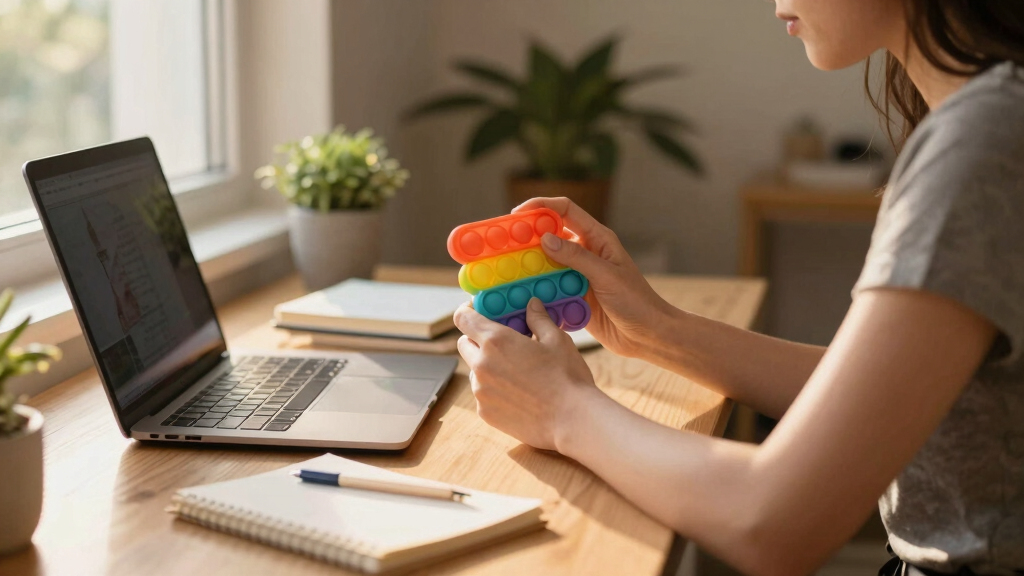
Stress relief toys are small, portable objects designed to help manage anxiety and improve focus. They offer a tactile or visual outlet for nervous energy that might otherwise manifest as restlessness, distraction, or even physical symptoms like headaches. For students, this means having an immediate, accessible way to regain composure during stressful moments. For example, squeezing a stress ball can physically release tension accumulated from a difficult test, while twirling a fidget spinner can help maintain concentration during long lectures. These toys act as a subtle but effective means of self-regulation, empowering students to handle stress proactively. The importance lies in their ability to provide quick, on-the-spot relief, reducing the likelihood of stress escalating into panic or distraction. Over time, consistent use can help students develop better awareness of their stress triggers and coping strategies, leading to improved emotional resilience and academic performance.
fidget cube stress relief toy
As an affiliate, we earn on qualifying purchases.
As an affiliate, we earn on qualifying purchases.
Top 5 Stress Relief Toys Students Love Now
Here’s a quick rundown of the most popular and effective stress relief toys students are using today:
- Fidget Cubes: Small, with buttons, switches, and textured surfaces—perfect for tactile stimulation. They provide a variety of sensory inputs in one compact device, allowing students to switch between different stimulations based on their mood or need, which can help prevent boredom and maintain focus.
- Stress Balls: Squeeze away tension with soft, malleable foam or gel-filled balls. They serve as a physical outlet for nervous energy, and their repetitive squeezing can promote relaxation by activating the muscles and calming the nervous system.
- Sensory Bottles: Clear bottles filled with glitter and color that swirl mesmerizingly when shaken. These visual stimuli can induce a calming effect, helping students shift their focus away from stressors and into a moment of mindfulness as they watch the swirling glitter settle.
- Chewing Toys (Chewelry): For oral sensory needs, made from safe, chewable silicone. Chewelry can help reduce oral fixation, which is often linked to anxiety, and provides a safe alternative to nail-biting or gum chewing, fostering a sense of control and calm.
- Tactile Mats: Silicone or textured mats you can run your fingers over—great for calming tactile input. These mats can serve as a grounding tool, helping students stay present and focused through repetitive tactile stimulation, which can be especially beneficial for students with sensory processing needs.
For example, a student during a stressful exam might keep a stress ball in their pocket. When nerves spike, they squeeze it, releasing tension and sharpening focus. These toys are small, quiet, and perfect for classroom use, but their real value lies in their ability to provide immediate sensory feedback that can interrupt negative stress spirals and promote a sense of control.
squeeze stress ball for students
As an affiliate, we earn on qualifying purchases.
As an affiliate, we earn on qualifying purchases.
How to Pick the Right Stress Relief Toy for School
Choosing the right stress relief toy isn’t just about the coolest or cheapest option—it’s about understanding how different tools support your specific stress responses and daily needs. For instance, tactile toys like fidget cubes can help those who need constant hand stimulation to stay engaged, while visual calming tools like sensory bottles benefit students who are overwhelmed by sensory overload. Safety considerations are crucial; non-toxic, durable materials prevent accidents, especially for younger students prone to biting or dropping toys. Portability ensures the toy is accessible during class or on the go, reinforcing its use as a quick relief tool. Personalization, such as selecting colors or textures that are pleasing, encourages consistent use, which enhances their calming effects. Testing different options allows students to find what genuinely helps them during high-stress moments, making the tool an effective part of their self-regulation toolkit. Recognizing the tradeoff—such as the potential for distraction versus calming—is essential. A toy that’s too stimulating might increase anxiety or distract others, so balancing engagement with appropriateness for the environment is key.
sensory bottles for anxiety relief
As an affiliate, we earn on qualifying purchases.
As an affiliate, we earn on qualifying purchases.
Compare Popular Stress Relief Toys: Which One Wins?
| Feature | Fidget Cube | Stress Ball | Sensory Bottle | Chewelry |
|---|---|---|---|---|
| Best for | Tactile variety, discreet use | Release tension, simple squeezing | Visual calming, sensory focus | Oral sensory needs |
| Discreet | Yes | Yes | Yes | Yes |
| Cost | $5-$15 | $3-$10 | $8-$20 | $6-$15 |
| Durability | Very durable | Moderate, depends on quality | Very durable if made from silicone | Durable, but chews down over time |
Choosing between these depends on your stress style. If you love tactile variety, go for a fidget cube. Need quick stress relief without noise? A stress ball is perfect. For calming visuals, sensory bottles work like magic. And for oral comfort, chewelry is your best bet. Understanding these tradeoffs helps you select a tool that seamlessly integrates into your routine without becoming a distraction or ineffective. For example, opting for a discreet fidget cube may be better in a quiet classroom, while a vibrant sensory bottle might be more effective at home or in a relaxed setting where visual focus is desired. Recognizing the strengths and limitations of each allows you to tailor your stress management approach for maximum benefit.
discreet student stress toys
As an affiliate, we earn on qualifying purchases.
As an affiliate, we earn on qualifying purchases.
Simple Tips to Use Stress Toys Effectively During School
Using stress relief toys the right way can make a difference. Here are quick tips:
- Keep it accessible: Always have your favorite toy nearby—pocket or bag—so it’s ready when stress strikes. Having immediate access ensures you can use it proactively, preventing stress from escalating into distraction or panic.
- Limit use during tests: Use the toy to calm nerves before or after, not during, to avoid distraction. Overuse during exams might interfere with concentration or disturb classmates, so timing its use is crucial for maintaining focus.
- Set boundaries: Use the toy for a few minutes, then put it away to avoid overdependence. This helps establish a healthy routine where the toy is a tool rather than a crutch, encouraging the development of internal coping skills.
- Combine with breathing exercises: Squeeze your stress ball while taking deep breaths for double the calming effect. This combination activates both physical and mental relaxation pathways, making stress reduction more effective and sustainable.
- Involve friends or teachers: Share your stress-relief tools to normalize their use and reduce stigma. Creating an environment where stress management is openly supported can foster collective calm and reduce feelings of embarrassment or isolation.
For example, a student might squeeze a stress ball during a difficult math test, then pause to take calming breaths. This quick combo can reset nerves and sharpen focus, illustrating how integrating tactile and breathing techniques enhances stress management in real time.
Why Stress Relief Toys Are Just One Piece of the Puzzle
Stress relief toys work best when combined with other healthy habits. They’re like the cushion on a trampoline—supportive, but not the whole bounce. Regular exercise, good sleep, and mindful breathing are key to managing stress long-term. Over-relying on toys without addressing underlying causes can lead to temporary relief but not sustained resilience. For example, if a student uses a fidget cube but neglects sleep or physical activity, they might find the relief short-lived or insufficient during particularly intense stress periods. Integrating stress toys into a comprehensive routine that includes physical movement, proper nutrition, and emotional awareness ensures a more robust approach to mental health. Think of the toys as an aid—an immediate calming tool—while broader lifestyle habits build the foundation for enduring well-being. Recognizing this balance helps prevent dependence on any single method and promotes holistic resilience, essential for thriving academically and emotionally.
Frequently Asked Questions
Are stress relief toys effective for students?
Many students find them helpful for reducing anxiety and improving focus. While they aren’t a cure-all, tactile and visual tools can provide quick relief during stressful moments. Effectiveness varies individually, but they’re widely used as part of stress management routines.
What are the safest stress relief toys for children and teenagers?
Choose toys made from non-toxic, durable materials without small parts. Look for products labeled safe for your age group. Avoid toys that can break easily or pose choking hazards, especially for younger students.
Can stress relief toys replace professional mental health treatment?
No. They’re helpful supplements but shouldn’t replace professional advice for persistent stress or anxiety. If stress interferes with daily life, seeking support from a counselor or therapist is always recommended.
Which stress relief toys are best for classroom use?
Discreet, quiet, and portable options like fidget cubes, stress balls, or silicone tactile toys work best. They won’t disturb classmates and can be used without drawing attention.
Are there any risks with using stress relief toys?
Risks include choking hazards with small parts and potential distraction if overused. Supervision and moderation help keep use safe and effective.
Conclusion
Stress relief toys can be a game-changer during hectic school days. Think of them as your mini mental health toolkit—small, simple, but powerful. Keep one handy, use it wisely, and remember: managing stress is a marathon, not a sprint.
Next time nerves start to spike, reach for your favorite toy. A tiny squeeze or twist could be the moment your calm returns, ready to face whatever comes next.