
TL;DR

Turn your wind-down time into listening time
- Thousands of audiobooks, podcasts and originals
- Listen on your phone, tablet or Echo — also offline
- Cancel anytime
Stress relief toys for students reduce anxiety and enhance focus through sensory stimulation. Recent trends include eco-friendly, smart, and customizable options that support mental well-being. Choosing the right toy depends on safety, personal preference, and specific needs.
Ever felt your mind spinning out of control while studying or during exams? You’re not alone. Stress relief toys have become go-to tools for students seeking a quick mental reset. They’re not magic, but they can make a noticeable difference in handling anxiety and staying focused.
In this article, you’ll learn which toys work best, why recent innovations matter, and how to pick the right one for you or your child. Get ready to turn a simple gadget into a secret weapon for calm and concentration.
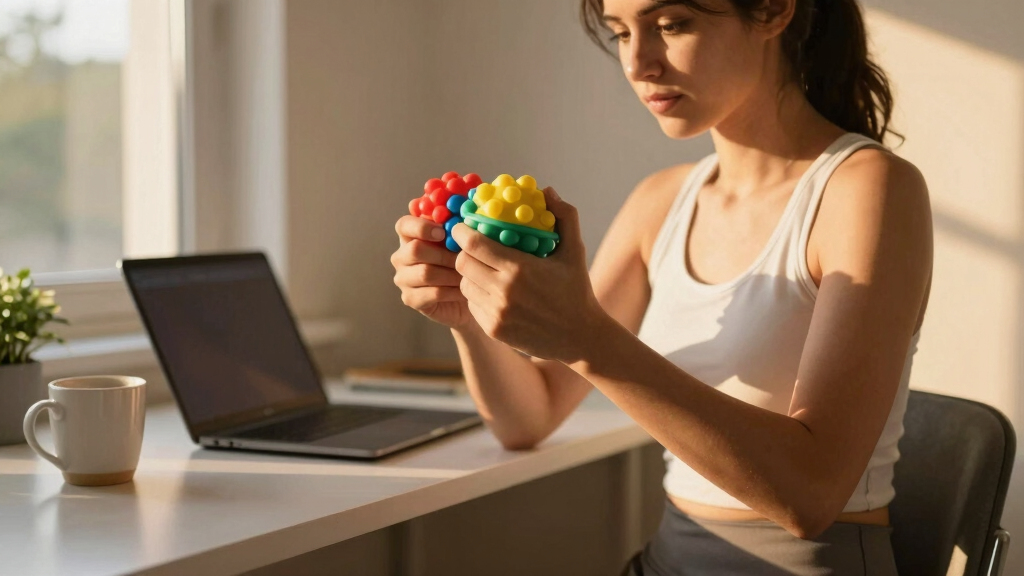
Stress relief toys like fidget cubes and stress balls are proven to reduce anxiety and improve focus in students.
Recent innovations include eco-friendly materials, smart features, and personalized designs that boost engagement and effectiveness.
Choosing the right toy depends on your sensory preferences, safety considerations, and how portable you need it to be.
These tools are not a cure for anxiety but valuable additions to a broader stress management strategy.
Always pick a toy that you feel comfortable with and will actually use during stressful moments.
What Are Stress Relief Toys and Why Do Students Love Them?
Stress relief toys are small, portable objects designed to soothe nerves, sharpen focus, and keep busy hands occupied. For students, they’re like a mental buffer—something to hold, squish, or spin when anxiety spikes or boredom hits.
Imagine sitting in a noisy classroom, feeling overwhelmed with homework. A stress ball in your hand can ground you, giving your brain a tactile distraction. According to studies, these toys help redirect nervous energy and promote calmness, especially during stressful moments like exams or social pressures.
Their appeal lies not just in distraction but in the way they engage the senses—touch, sight, even smell—creating a calming effect that can interrupt spirals of negative thoughts or heightened anxiety. This makes them particularly valuable in environments where emotional regulation is challenging, like classrooms or social settings. The ability to quickly access a calming tool can foster resilience, helping students to better manage stressors and return focus to their tasks.
Popular options include:
- Fidget cubes with buttons and switches
- Squishy toys that mold in your hands
- Stress balls that squeeze and release
As an affiliate, we earn on qualifying purchases.
Top 5 Stress Relief Toys Students Swear By
Not all toys are created equal. Here are the five most popular and effective stress relief tools among students today:
- Fidget Cubes — Compact, with buttons, switches, and spinning parts, perfect for desk or pocket. They offer tactile variety, allowing students to engage different senses, which can help break the cycle of restless energy and improve concentration during lessons. Their versatility makes them suitable for different environments, but the tradeoff is that some students might find the clicking sounds distracting in quiet settings.
- Stress Balls — Made from squishy foam or gel, they provide satisfying resistance. The act of squeezing can physically release tension and serve as a grounding technique, especially during moments of heightened anxiety or before presenting in front of others. However, they may lose their elasticity over time or become less effective if the material wears out, requiring replacement for sustained benefit.
- Silicone Squishies — Bright, textured, and soft. They’re fun to squish and come in all shapes—from cupcakes to animals. Their playful appearance can also serve as a visual reminder to breathe and relax, reducing mental stress through simple, engaging play. The downside is that their durability varies; cheaper versions may tear or lose shape, so investing in quality can be worth it for long-term use.
- Textured Rings — Small rings with bumps or ridges that slide along your fingers, offering tactile stimulation without noise. They are discreet and can be used subtly in class, helping to channel nervous energy without drawing attention or causing disruptions. Their effectiveness depends on the user’s preference for tactile input, and some may find the ridges too intense or too subtle, influencing how well they serve as calming tools.
- Putty or Kinetic Sand — Tactile, moldable substances that engage your senses deeply, calming your mind as you manipulate them. Their malleability encourages mindfulness, promoting focus and a sense of control during stressful times. The tradeoff is that some types of putty can dry out or become sticky over time, which can reduce their calming properties unless properly maintained.
Each of these toys provides a different sensory experience, which can be more or less effective depending on individual preferences. Recognizing these differences helps in selecting a tool that not only distracts but also enhances emotional regulation—crucial for academic success and personal well-being.
Choosing the right one depends on your preference—some like quiet, others need noise or resistance to feel grounded, and understanding these tradeoffs can help you make a more effective choice.
How Recent Innovations Make Stress Toys Better Than Ever
Stress relief toys for students are evolving fast. The latest innovations focus on sustainability, smart features, and personalization—making them more appealing and effective.
Eco-friendly materials like biodegradable silicone and recycled plastics are now common. Some toys even incorporate calming scents or essential oils, turning a simple squishy into a mini spa experience. For example, scented stress balls filled with lavender can promote relaxation before exams.
Smart toys with sensors respond to touch, pressure, or temperature. Some connect to apps that track your stress levels or guide you through quick breathing exercises. Imagine squeezing a toy that lights up or vibrates gently, signaling when you’re calm enough to focus again.
Personalization is another big trend—think customizable colors, engraved messages, or modular fidget kits that you can assemble into different shapes. These toys turn into unique self-care tools tailored to your style and needs. They encourage a sense of ownership and mindfulness, which can increase the likelihood of consistent use and the benefits derived from these tools.
All these innovations help make stress relief more engaging, effective, and fun, especially for tech-savvy students who seek both function and novelty in their tools.
Choosing the Right Stress Relief Toy: Simple Steps
Picking the perfect stress relief toy isn’t rocket science, but a few simple tips can make a big difference. Here’s a straightforward process:
- Identify your needs — Do you want something quiet for class, or a tactile toy for home? Are you looking to improve focus or just relax?
- Check safety features — Make sure the toy is non-toxic, durable, and age-appropriate.
- Consider portability — Will you carry it in your backpack or keep it on your desk?
- Test different textures and sounds — Visit a store or try toys online to see what feels satisfying and calming for you. Pay attention to how each sensory input makes you feel—does it help you relax or focus better? Finding this personal connection is key to making the toy effective in real stress moments.
- Set a budget — Good stress toys range from $5 to $20. Decide what fits your budget and needs.
For example, a student struggling with test anxiety might prefer a small, quiet stress ball to squeeze during exams, which provides immediate tactile feedback and a sense of control. Meanwhile, a creative type might enjoy customizing their own fidget kit, making the process of building and personalizing part of their stress relief routine.
Remember: the best toy is the one you’ll actually use consistently. When you feel connected to your stress relief tool, it becomes a reliable part of your coping strategies, making it more likely to provide benefits over time.
Frequently Asked Questions
Are stress relief toys effective for reducing anxiety?
They can be helpful as part of a broader stress management plan, providing sensory distraction and calming effects. But they’re not a substitute for professional mental health support if needed.
Which types of stress relief toys are best for students?
Popular options include stress balls, fidget cubes, and squishy toys. The best choice depends on your personal preferences for texture, noise, and portability.
Are stress relief toys safe for children and teenagers?
Yes, when made from non-toxic, durable materials and used as intended. Always check age recommendations and supervise younger students if necessary.
Can stress relief toys improve focus and academic performance?
Many students find that these toys help reduce nervous energy, making it easier to concentrate during studying or exams. They’re a helpful tool but work best alongside other focus strategies.
How do I choose the right stress relief toy for a student?
Consider the student’s age, preferences, safety, portability, and whether the toy aligns with their stress points or sensory needs. Trying a few options can help find the perfect fit.
Conclusion
Stress relief toys are simple yet powerful tools that can help students stay calm, focused, and ready to tackle their day. They’re easy to carry, fun to use, and increasingly innovative—making it easier than ever to manage stress on the go.
Remember, the key is finding a toy that feels natural and comforting for you. A small squishy or a textured ring might just become your new favorite stress-busting buddy during those tense study sessions.
Halloween Picks
halloween
As an affiliate, we earn on qualifying purchases.