

In a chaotic bond, emotional exhaustion feels like constant fatigue, making it hard for you to stay emotionally resilient. You might feel disconnected, overwhelmed, and drained from ongoing conflicts and broken promises. Small issues often seem to escalate, leaving you anxious or hopeless. Sleep disturbances and a lack of joy can become common. If you keep going, you’ll uncover more ways this exhaustion impacts your mental health and ways to cope.

Turn your wind-down time into listening time
- Thousands of audiobooks, podcasts and originals
- Listen on your phone, tablet or Echo — also offline
- Cancel anytime
Key Takeaways
- Feeling constantly drained and overwhelmed by ongoing conflicts and misunderstandings.
- Experiencing emotional numbness or indifference toward the partner or relationship.
- Struggling with heightened anxiety, depression, or physical symptoms like fatigue and sleep issues.
- Withdrawing emotionally, losing motivation to communicate or connect.
- Developing a sense of hopelessness, believing the situation cannot improve.
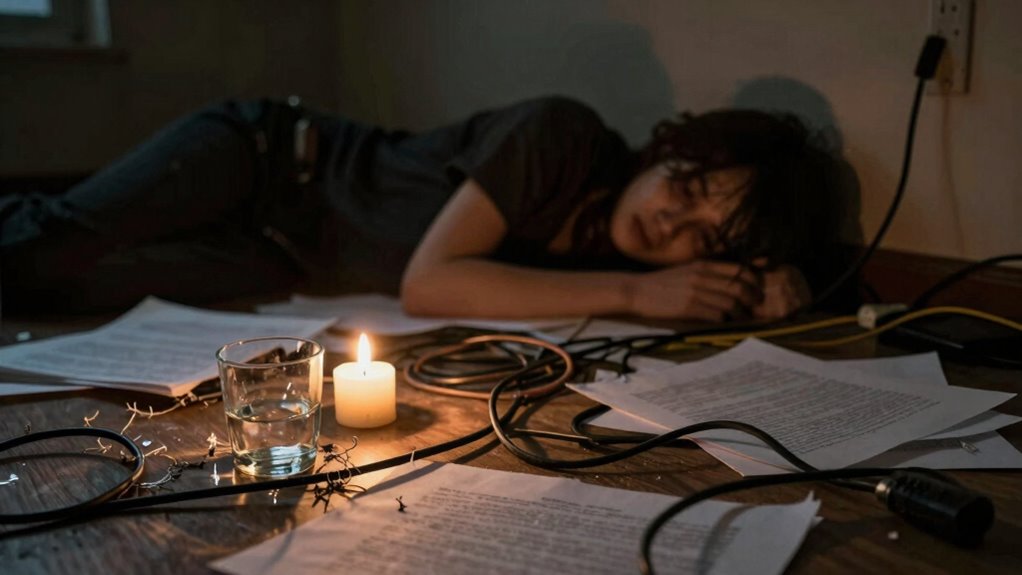
When a relationship is tangled in chaos, emotional exhaustion can sneak up on you, leaving you feeling drained and overwhelmed. You might find yourself constantly on edge, questioning whether things will ever settle down. The constant tension wears you down, and you start losing your sense of stability. One of the first signs is trust issues creeping in. You might find it hard to believe your partner’s words or intentions, even when they seem genuine. This skepticism grows with every unresolved conflict and broken promise, making it difficult to feel secure in the relationship. Trust, which once felt natural, now feels fragile, and you may hesitate to open up or share your feelings, fearing rejection or betrayal.
Trust erodes amid chaos, making it hard to feel secure or open up to your partner.
Along with trust issues, communication breakdown becomes a persistent problem. Conversations quickly turn into misunderstandings or arguments, leaving you feeling unheard or dismissed. You might notice that your words aren’t landing the way you intend, or your partner is shutting down instead of engaging. Over time, this creates a cycle of frustration where neither of you feels understood or validated. The emotional toll is heavy because it feels like you’re pouring your heart out into a void, and your partner isn’t reciprocating. This breakdown in communication often leads to a sense of isolation—like you’re fighting battles alone, even when you’re in a relationship.
As emotional exhaustion deepens, you start to feel physically drained. Sleep may become elusive, or you might notice your energy dips during the day. You might also experience heightened anxiety or depression, stemming from the constant stress of unresolved issues and ongoing conflicts. The chaos makes it difficult to focus or enjoy activities you once loved, because your mind is consumed with worry about your relationship. Small disagreements morph into major crises, and you start anticipating the worst, feeling hopeless that things will improve.
You may also notice a shift in how you view your partner; empathy diminishes, replaced by resentment or indifference. This emotional fatigue pushes you toward emotional withdrawal, making it even harder to reconnect. The more you try to fix things, the more exhausted you feel because it seems like nothing you do is enough. All of this leaves you feeling stuck in a cycle of frustration, sadness, and fatigue—your emotional reserves depleted from constantly fighting to keep the relationship afloat amidst chaos. Recognizing how mental health factors such as borderline personality disorder can influence these dynamics might help you better understand these feelings and seek appropriate support.
sleep aid supplements for anxiety
As an affiliate, we earn on qualifying purchases.
As an affiliate, we earn on qualifying purchases.
Frequently Asked Questions
How Can I Differentiate Emotional Exhaustion From General Stress?
You can differentiate emotional exhaustion from general stress by increasing your emotional awareness. Emotional exhaustion feels persistent and overwhelming, often leading to feelings of emptiness or numbness, whereas stress is usually temporary and situational. When you compare these, emotional exhaustion persists despite resolving specific stressors, affecting your overall well-being. Recognizing these signs helps you understand if you’re drained emotionally rather than just experiencing normal stress, guiding you toward appropriate self-care or support.
What Are Immediate Steps to Take When Feeling Emotionally Drained?
Did you know that 80% of people report feeling emotionally drained at least once a week? When you’re feeling this way, take immediate steps like practicing self-care routines—such as deep breathing or a quick walk—and setting boundaries to protect your energy. Prioritize your well-being by recognizing your limits and saying no when needed. These actions help you recharge and regain emotional balance quickly.
Can Emotional Exhaustion Affect Physical Health Long-Term?
Yes, emotional exhaustion can affect your physical health long-term. You might notice physical symptoms like fatigue, headaches, or muscle tension as your body reacts to ongoing stress. Over time, these symptoms can develop into more serious issues, such as weakened immunity, heart problems, or chronic pain. Ignoring emotional exhaustion only worsens these long-term effects, so it’s essential to address stress early and seek support when needed.
How Does Emotional Exhaustion Impact Communication in a Relationship?
Think of your relationship as a delicate bridge. When you’re emotionally exhausted, the bridge weakens, making communication feel like crossing a shaky span. You might struggle with emotional resilience, causing communication barriers to grow. You could become less open, more defensive, or withdraw altogether. This erosion hampers understanding, making it harder to connect and resolve issues. To keep the bridge intact, you need to replenish your emotional reserves and actively foster open dialogue.
When Should I Seek Professional Help for Emotional Exhaustion?
You should seek professional help when warning signs like persistent fatigue, irritability, or feeling overwhelmed don’t improve with support strategies. If emotional exhaustion starts affecting your daily life, relationships, or work, it’s time to reach out. A mental health professional can provide tailored guidance, teach coping mechanisms, and help you regain balance. Don’t wait until you’re overwhelmed—getting help early can make a significant difference in your recovery.
Conclusion
Understanding emotional exhaustion in a chaotic bond helps you recognize when you’re overwhelmed, drained, or losing your sense of self. It’s essential to prioritize self-care and set boundaries to protect your well-being. Did you know that studies show 60% of people in high-conflict relationships report feeling emotionally exhausted regularly? Acknowledging these signs is the first step toward reclaiming your emotional health and fostering healthier connections. Don’t ignore your feelings—your peace is worth it.
Evergreen bestsellers Picks
bestsellers
As an affiliate, we earn on qualifying purchases.