

In a high-conflict separation, thorough documentation helps protect your legal rights by providing clear evidence of incidents, communications, and behavior patterns. It reduces emotional stress by giving you a sense of control and clarity amid chaos. Accurate records also support your case if disputes escalate, preventing your concerns from being dismissed. When you understand why keeping detailed notes matters, you’ll see how it can safeguard your well-being and future stability—discover more about how to do this effectively.

Turn your wind-down time into listening time
- Thousands of audiobooks, podcasts and originals
- Listen on your phone, tablet or Echo — also offline
- Cancel anytime
Key Takeaways
- Provides concrete evidence to support legal decisions regarding custody, visitation, and financial disputes.
- Protects against false accusations by establishing a clear record of events and communications.
- Helps maintain emotional clarity and reduces stress by organizing chaotic or conflicting information.
- Facilitates calm, evidence-based communication and boundary setting during tense interactions.
- Ensures ongoing documentation supports case-building and personal well-being throughout the separation process.
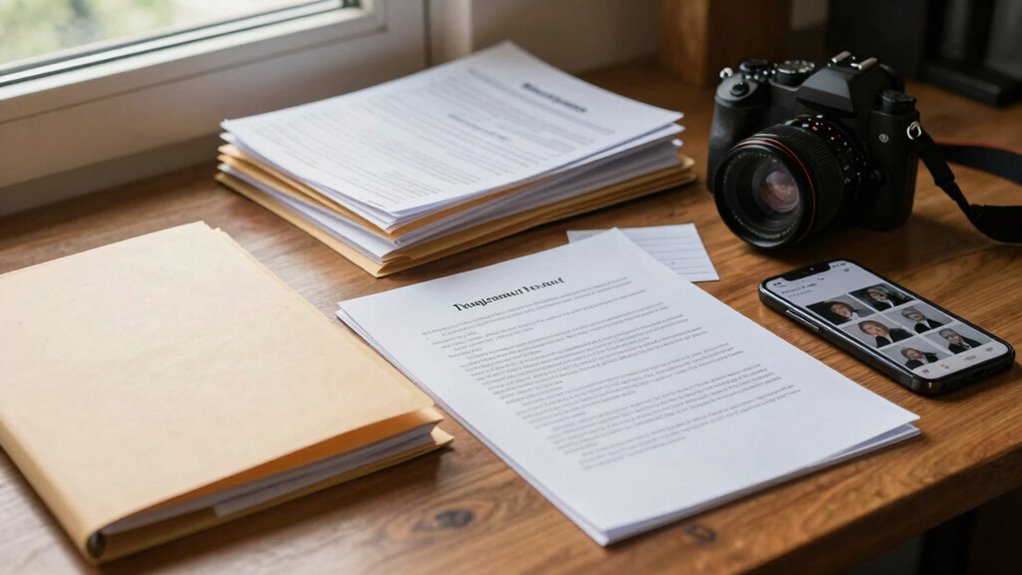
In high- conflict separations, meticulous documentation becomes your most valuable tool for protecting your interests and ensuring a clear record of events. When tensions run high, it’s easy to forget details or be overwhelmed by the emotional chaos. Keeping thorough records helps you stay organized and provides concrete evidence should disputes escalate to legal proceedings. This documentation can include dates, times, descriptions of incidents, and any relevant communications like emails or text messages. By doing so, you create a timeline that can clarify your version of events and support your position in court or negotiations. Additionally, understanding the importance of color accuracy and how it affects the clarity of visual evidence can be crucial in presenting a clear and truthful account. Proper documentation not only aids in legal clarity but also supports your oral and written communication, ensuring your concerns are clearly conveyed and substantiated. Regularly updating your records is essential, especially as new incidents occur or patterns emerge, which can be vital in building a comprehensive case.
The legal implications of not maintaining proper documentation can be severe. Courts rely heavily on evidence when making decisions about custody, visitation, or financial arrangements. Without accurate records, you risk having your concerns minimized or dismissed, especially if your ex-partner attempts to manipulate or distort facts. Proper documentation can demonstrate a pattern of behavior, whether it’s neglect, harassment, or false accusations, giving you a stronger case. On the other hand, neglecting to keep records might leave you vulnerable to unfair rulings or false claims, which could impact your rights and your children’s well-being. This is especially true when understanding the motivations behind relationships with unavailable partners, which can influence behaviors that courts scrutinize during proceedings. Recognizing these motivations through detailed records can also help clarify the context of certain interactions or accusations.
Beyond legal considerations, the emotional impact of a high-conflict separation is profound. Keeping detailed records can serve as a form of emotional self-preservation. During such stressful times, it’s easy to second-guess yourself or feel overwhelmed by accusations. Having your documentation provides a sense of control and validation, reminding you that you’re not just reacting emotionally but are also acting based on facts. It also reduces the mental strain of trying to recall every detail, which can be crucial when emotions run high and memories blur. This can help you maintain your mental clarity and focus on navigating the situation more effectively. Consistent record-keeping can also help you recognize any ongoing patterns of behavior, which can be vital in understanding the full scope of the situation.
Furthermore, documenting your interactions and incidents can help you set boundaries and reduce misunderstandings. When you have a clear record, it’s easier to communicate your side calmly and assertively, knowing you have evidence if needed. This can prevent the situation from spiraling further and help you stay grounded amid the chaos. Ultimately, your records become a safeguard—not just legally but emotionally—giving you confidence and peace of mind as you work through the challenges of a high-conflict separation. It’s an essential step toward protecting your rights, your peace, and your future stability. Developing a consistent record-keeping routine can be a powerful tool in managing ongoing conflicts and maintaining your well-being.
legal documentation notebook for separation
As an affiliate, we earn on qualifying purchases.
As an affiliate, we earn on qualifying purchases.
Frequently Asked Questions
How Long Should I Keep Records of Conflicts?
You should keep records of conflicts for at least six months to a year, especially if conflict escalation occurs. Maintaining consistent record-keeping habits helps you track patterns and provides evidence if disputes escalate or legal issues arise. Store emails, texts, and notes securely, and update your records regularly. This ongoing documentation can be vital in demonstrating persistent issues or abusive behavior during high-conflict separations.
Can Documentation Influence Custody Decisions?
Yes, documentation can influence custody decisions. By recording parental behavior and communication patterns, you provide concrete evidence of how each parent interacts with the child. Courts often consider these records to determine the best environment for the child’s well-being. Keeping detailed notes on conflicts, communication, and behavior helps demonstrate stability or issues, making your documentation a crucial tool in advocating for your child’s best interests during custody evaluations.
What Types of Evidence Are Most Effective?
The most effective evidence includes digital footprints, such as emails, text messages, and social media activity, because they show genuine interactions. Confirm evidence authenticity by preserving original files and avoiding edits. Photos, videos, and detailed logs also bolster your case. By collecting and organizing these types of evidence, you create a reliable record that can markedly influence custody decisions, demonstrating consistent behavior and communication patterns.
How Do I Organize My Documentation?
To organize your documentation effectively, create clear, chronological collections of your evidence, categorizing by type—emails, texts, or financial records. Keep copies in a secure digital folder and label everything neatly for quick access. This structured setup simplifies conflict resolution and minimizes emotional impact, helping you stay focused and prepared. Consistent, organized documentation empowers you to present your case confidently and clearly during high-conflict separations.
Is Legal Advice Necessary for Documentation?
Legal advice isn’t always necessary for documentation, but it can be vital for guaranteeing accuracy and proper format. Legal expertise helps you understand what details to include and how to present your records effectively, which strengthens your case. Without it, you risk mistakes that could undermine your documentation’s credibility. If your situation is complex, consulting a lawyer guarantees your records are thorough, accurate, and legally sound, providing better protection.
Conclusion
In a high-conflict separation, thorough documentation acts as your safety net. It’s like having a visual record of events, helping you stay organized and supported when emotions run high. Think of it as evidence in a courtroom—clarity and consistency can protect your rights and reduce misunderstandings. By diligently tracking interactions, you’re not just recording history; you’re empowering yourself to navigate the process with confidence and clarity.
Fall Picks
fall essentials
As an affiliate, we earn on qualifying purchases.