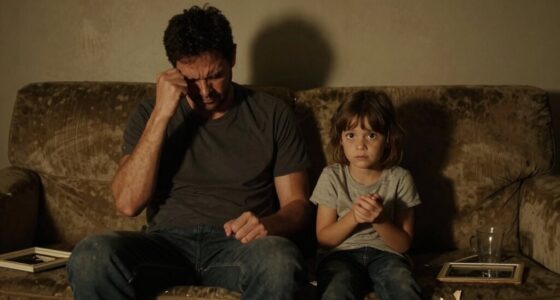

Healing for sons of borderline fathers means gradually building emotional resilience to face difficult feelings and past hurt. You learn to recognize triggers, rebuild trust through small, intentional steps, and forgive yourself for any blame or guilt. It’s about reclaiming your sense of self and creating stability despite earlier chaos. With patience, support, and your own effort, you can transform pain into strength. If you want to discover how to move forward, keep exploring these healing steps.

Turn your wind-down time into listening time
- Thousands of audiobooks, podcasts and originals
- Listen on your phone, tablet or Echo — also offline
- Cancel anytime
Key Takeaways
- Developing emotional resilience to manage lingering scars and difficult feelings from childhood experiences.
- Recognizing external influences, like media, that shape perceptions and responses to emotional triggers.
- Rebuilding trust gradually through consistent, healthy interactions and trusting behaviors.
- Practicing forgiveness and self-compassion to release guilt, shame, and resentment.
- Embracing ongoing growth, patience, and self-awareness to create stability and a healthier future.
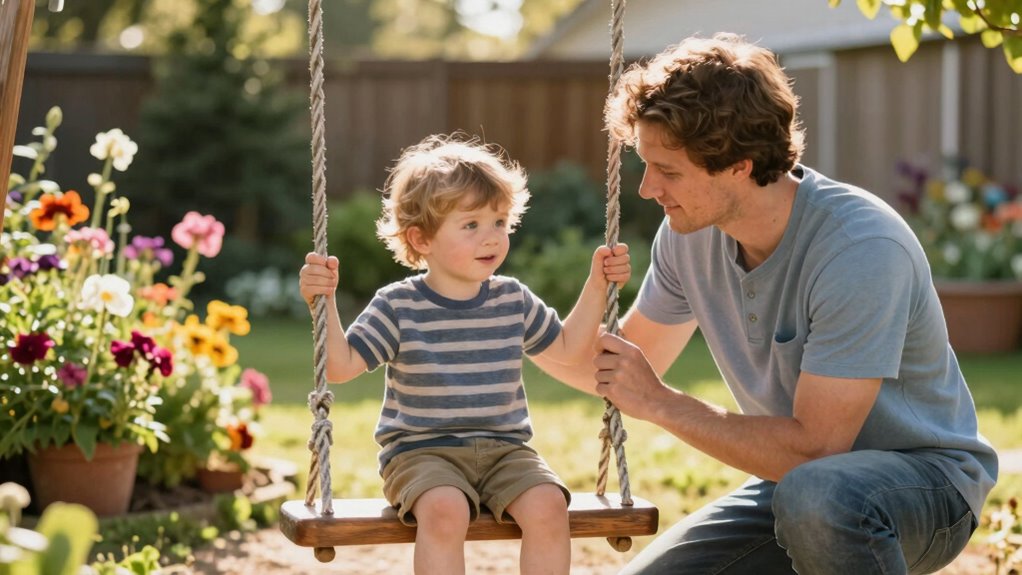
Growing up with a borderline father can leave deep emotional scars that linger well into adulthood. You might find yourself struggling with feelings of confusion, anger, or sadness, often questioning your own worth. Healing begins when you start to build emotional resilience—developing the strength to face those difficult feelings without being overwhelmed by them. This resilience is essential for overcoming the emotional challenges associated with a borderline parent. This process isn’t about erasing your past but learning to manage its impact, so you can move forward with greater stability. It involves recognizing your emotional triggers, understanding how your father’s behavior shaped your responses, and gradually learning healthier ways to cope. You might find that therapy or support groups are invaluable in helping you process these experiences, giving you tools to strengthen your emotional resilience. Recognizing the impact of childhood experiences can also be a crucial part of understanding how your responses are shaped and how to work through them. Additionally, understanding emotional triggers and how media influences your perceptions can help you better understand and manage your reactions.
Rebuilding trust is another crucial step on your healing journey. Growing up with a borderline parent often means learning that trust can be fragile or unpredictable. You may have learned to be wary of others or to keep emotional distance as a way of protecting yourself. Now, healing requires gradually opening yourself up to healthy relationships, even if it feels uncomfortable at first. Trust isn’t rebuilt overnight; it’s a series of small, conscious choices to believe in the goodness of others and to accept vulnerability as part of genuine connection. As you work through this, you’ll start recognizing trustworthy behaviors in others and learn to rely on them without fear of betrayal. This process can be intimidating, but with patience and consistent effort, you’ll discover that trust can be restored in your life. Paying attention to external influences can shed light on how your perceptions are shaped and help you develop healthier responses. Additionally, understanding media influence can be a helpful part of understanding how external influences shape your emotional responses and perceptions.
Healing also involves forgiving—not necessarily your father, but yourself. You might carry guilt or shame, blaming yourself for the circumstances of your childhood. Forgiveness helps free you from these burdens, enabling you to focus on your well-being rather than the pain of the past. It’s a way to acknowledge your hurt while choosing to release the heavy weight of resentment. As you progress, you’ll notice greater emotional resilience, allowing you to face future challenges with a more balanced perspective. You’ll learn that healing isn’t linear but a continuous process of growth, where setbacks are part of the journey and don’t define your worth or your future.
Ultimately, healing for sons of borderline fathers is about reclaiming your sense of self and creating a life rooted in stability, trust, and emotional strength. It’s about recognizing your past but not letting it dictate your future. Through patience, self-compassion, and the right support, you can transform your pain into resilience, forging a healthier, more authentic version of yourself. Recognizing the impact of technology and media can also be a helpful part of understanding how external influences shape your emotional responses and perceptions.
emotional resilience self-help books
As an affiliate, we earn on qualifying purchases.
As an affiliate, we earn on qualifying purchases.
Frequently Asked Questions
How Can Sons Identify if Their Father’s Behavior Was Borderline?
You can identify if your father’s behavior was borderline by observing patterns in your father-son dynamics, such as intense emotional reactions, fear of abandonment, or mood swings. Pay attention to how these behaviors affected your emotional resilience, often causing confusion or instability. If your father’s actions fluctuated unpredictably and created chronic tension, it’s a sign that his behavior may have been borderline, impacting your emotional health and relationship development.
What Are Common Emotional Responses Sons Experience After Childhood Neglect?
After childhood neglect, you might feel emotional responses like confusion, anger, or sadness. These feelings can challenge your emotional resilience, making it hard to cope. However, developing self-awareness helps you understand these reactions and process them healthily. You may also experience periods of numbness or self-doubt. Recognizing these responses is an essential step toward healing, allowing you to build resilience and foster healthier emotional habits over time.
Is Therapy Necessary for Healing From a Borderline Father’s Influence?
Yes, therapy is necessary for healing from a borderline father’s influence. It helps you process sibling rivalry, understand your feelings about parental apologies, and break free from lingering emotional wounds. Through therapy, you confront your past, challenge unhealthy beliefs, and develop healthier relationships. It’s a crucial step toward reclaiming your life, healing emotional scars, and building resilience. Investing in therapy empowers you to move forward with clarity, confidence, and emotional strength.
How Do Sons Build Healthy Boundaries With Their Borderline Fathers?
You build healthy boundaries with your borderline father by practicing boundary setting and prioritizing your emotional resilience. Clearly communicate your limits and stick to them, even if it’s uncomfortable. Focus on self-care and maintain emotional resilience to protect yourself from manipulation or chaos. Remember, setting boundaries isn’t selfish; it’s necessary for your well-being. Over time, consistent boundary setting helps you regain control and create a healthier relationship dynamic.
Can Sons Break Free From Generational Patterns of Emotional Instability?
Breaking free from generational patterns of emotional instability is like climbing a steep hill, but it’s possible. You can heal by addressing intergenerational trauma, understanding its roots, and developing emotional resilience. Recognize that your past doesn’t define your future. With therapy, support, and self-awareness, you can create new, healthier patterns. It takes effort, but you’re capable of rewriting your story and breaking the cycle for good.
Conclusion
Healing is like tending to a fragile garden—you must nurture each seed with patience and love. As you work through your pain, you’ll see new growth, resilience blossoming where chaos once reigned. Remember, your journey isn’t a race, but a steady voyage toward wholeness. Embrace your process with courage, knowing that with time and effort, you can transform wounds into strength. Your future is a canvas, ready for the vibrant colors of healing.
Columbus Day / Indigenous Peoples' Day Picks
long weekend sales
As an affiliate, we earn on qualifying purchases.