TL;DR

Turn your wind-down time into listening time
- Thousands of audiobooks, podcasts and originals
- Listen on your phone, tablet or Echo — also offline
- Cancel anytime
Cardiologist Roy Jogiya told Fit&Well that new chest discomfort, breathlessness during familiar activities and persistent or irregular palpitations should not automatically be blamed on menopause. The advice is a warning to seek appropriate medical assessment, not a diagnosis: severe or potentially heart-attack symptoms require emergency care.
A cardiologist interviewed by Fit&Well says women going through menopause should seek medical attention for new chest discomfort, unexpected breathlessness and persistent or irregular heartbeats, rather than assuming the symptoms are hormonal. Dr Roy Jogiya, chief medical advisor at Heart Research UK, says menopause-related changes can coincide with cardiovascular risk changes, though symptoms alone cannot establish a heart problem.
Jogiya says declining estrogen levels can affect blood vessels and cholesterol, while blood pressure, abdominal fat and insulin resistance may also change during menopause. He cautions that these shifts develop gradually and that aging also contributes. The report presents his comments as clinical guidance, not as evidence that menopause itself explains any individual symptom.
The three symptoms he flags are new chest pressure or discomfort, including pain that feels like indigestion; becoming breathless during ordinary tasks or exercise that was previously manageable; and a racing or irregular heartbeat that persists. He says palpitations can occur during menopause and may be harmless, but assessment is warranted when they persist or come with breathlessness, chest pain, faintness or dizziness.
Jogiya says a clinician may investigate palpitations with an electrocardiogram or a portable heart monitor. The report advises calling emergency services for suspected heart attack symptoms, palpitations with chest pain, shortness of breath or fainting, severe breathlessness, collapse or signs of stroke. It says new or recurring palpitations, reduced exercise tolerance, repeated dizziness or unexplained breathlessness should be discussed with a doctor.
Recognizing Symptoms Beyond Hot Flashes
The report highlights a risk of misattributing potentially serious symptoms to menopause, particularly when they are less dramatic than the chest pain often associated with a heart attack. Jogiya says women may instead experience indigestion-like discomfort, nausea, sweating, fatigue or pain in the jaw, back or upper abdomen. These symptoms can have different causes, so medical assessment—not self-diagnosis—is the relevant takeaway.
Jogiya also identifies hypertension, diabetes, high cholesterol, smoking, obesity and a strong family history of premature heart disease as risk factors. He says a history of premature menopause, pre-eclampsia, gestational diabetes or pregnancy-related hypertension can also be relevant to cardiovascular risk. The report does not quantify individual risk or claim that these factors mean a person has heart disease.
Products Worth Considering

Withings BPM Connect Wi-Fi and Bluetooth Blood Pressure Monitor

Fitbit Charge 6 Fitness Tracker – Porcelain/Silver
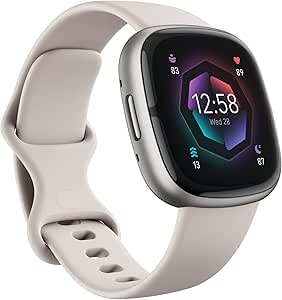
Fitbit Sense 2 Health and Fitness Smartwatch (Lunar White/Platinum)
As an affiliate, we earn on qualifying purchases.
Menopause and Cardiovascular Changes
The Fit&Well report frames menopause as a time when reproductive changes and cardiovascular health can intersect. Jogiya says falling estrogen may affect cholesterol and blood vessels, while changes in blood pressure, abdominal fat and insulin resistance may occur. He also stresses that aging contributes, making it difficult to attribute a change in health to menopause alone.
Alongside symptom awareness, Jogiya recommends 150 minutes of moderate exercise each week, strength training and a diet featuring vegetables, wholegrains, nuts and olive oil, with less saturated fat and salt. He also recommends checking blood pressure, cholesterol and blood sugar. These are general prevention suggestions attributed to the cardiologist; individual care should be discussed with a qualified health professional.
“Menopause isn’t just a reproductive milestone; it’s a cardiovascular one, too.”
— Dr Roy Jogiya, chief medical advisor at Heart Research UK, speaking to Fit&Well
Symptoms Need Individual Assessment
The source is an interview-based health report, and it does not provide new research data, prevalence estimates or evidence that the three symptoms are caused by menopause. Symptoms do not confirm a diagnosis; chest discomfort, breathlessness and palpitations can have multiple causes, and only a qualified clinician can assess an individual case.
The report does not specify when it was published, give additional details about Jogiya’s recommendations beyond those quoted, or identify clinical guidelines supporting each recommendation. It also does not say how risk varies by age or menopause stage. Readers should follow local emergency guidance and seek professional advice for symptoms that are new, worsening or concerning.
When to Seek Medical Care
For suspected heart attack symptoms, new chest pressure—especially with sweating, nausea or breathlessness—or palpitations accompanied by chest pain, shortness of breath or fainting, the report advises calling emergency services. Jogiya says not to wait for symptoms to become severe. Severe breathlessness, collapse and signs of stroke also require emergency attention.
For non-emergency concerns, arrange a medical assessment for new or recurring palpitations, reduced ability to exercise, repeated dizziness or unexplained breathlessness. A clinician can decide whether tests such as an ECG or portable monitor are appropriate and whether blood pressure, cholesterol or blood sugar checks are needed. The report offers no announced follow-up study or policy change; its practical next step for readers is symptom-led medical care and routine risk-factor checks.
Key Questions
Which three symptoms does the cardiologist say should be checked?
Dr Roy Jogiya identifies new chest discomfort, unexpected breathlessness during familiar activities and persistent or irregular palpitations. These symptoms can have different causes and do not by themselves establish a heart condition.
Can menopause cause heart palpitations?
Jogiya says palpitations are common during menopause and often harmless. He says persistent racing or irregular beats, especially when accompanied by chest pain, breathlessness or faintness, warrant medical assessment.
When should someone call emergency services?
The report advises calling emergency services for suspected heart attack symptoms, including new chest pressure or discomfort, particularly with sweating, nausea or breathlessness. It also flags palpitations with chest pain, shortness of breath or fainting, as well as severe breathlessness, collapse or signs of stroke.
What checks does the report recommend?
Jogiya recommends checking blood pressure, cholesterol and blood sugar. For palpitations, a clinician may consider an electrocardiogram or portable heart monitor, depending on the person’s symptoms and assessment.
Does menopause mean a person has heart disease?
No. The report describes possible cardiovascular changes and symptoms that deserve attention; it does not say menopause confirms heart disease. A healthcare professional can assess symptoms and personal risk factors.
Source: fitandwell.com